Steel sand, a critical material in various industrial applications, requires efficient and reliable transportation methods to ensure smooth production processes. Pneumatic conveying systems have emerged as a preferred solution for handling such materials due to their ability to transport powders and granules over long distances with minimal environmental impact. This article provides a technical analysis of steel sand pneumatic conveying systems, focusing on the comparison between positive pressure and negative pressure conveying modes. The discussion will cover key technical aspects, operational principles, and practical considerations to help industrial users make informed decisions when selecting the appropriate system for their specific needs. The analysis is presented by Shandong HeadPowder Engineering Co., Ltd., a leading provider of pneumatic conveying solutions, with expertise in handling abrasive materials like steel sand.
Introduction to Pneumatic Conveying Systems for Steel Sand
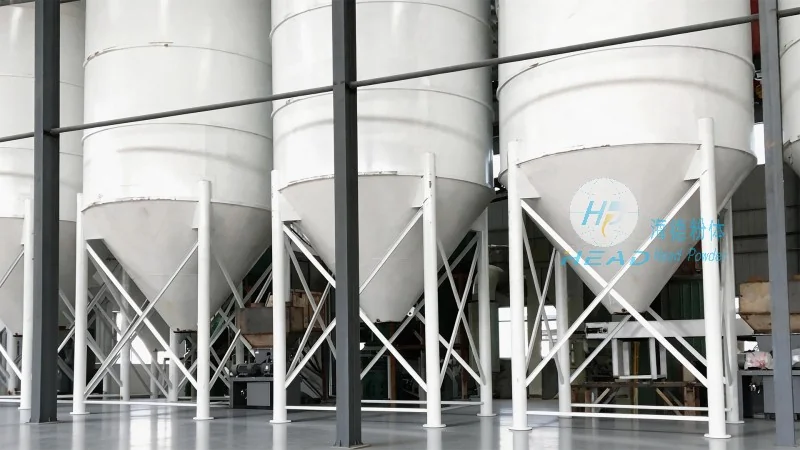
Pneumatic conveying systems utilize air or gas to transport bulk materials like steel sand through a network of pipes. These systems are widely used in industries such as foundries, construction, and manufacturing due to their flexibility and ability to handle abrasive materials without causing wear and tear on equipment. The primary goal of a pneumatic conveying system is to move steel sand from a source (e.g., storage silos or hoppers) to a destination (e.g., processing units or discharge points) while maintaining material integrity and minimizing dust emissions.
Positive Pressure Conveying Mode: Principles and Applications
Positive pressure conveying, also known as pressure pneumatic conveying, operates by blowing air or gas into the conveying line under pressure. The system uses a positive pressure blower or compressor to generate the necessary airflow, which propels the steel sand particles through the pipeline. This mode is particularly suitable for long-distance and high-capacity applications where the material needs to be transported over several hundred meters or more. The positive pressure system typically features a closed loop with a receiver at the discharge end, which helps in controlling dust and ensuring material containment.
A key advantage of positive pressure conveying is its ability to handle abrasive materials like steel sand without significant wear on the system components. The high-pressure air ensures that the particles are effectively suspended and transported, reducing the risk of blockages or clogging. Additionally, this mode is well-suited for applications where the material is sensitive to moisture or contamination, as the sealed system prevents external elements from entering the pipeline.
Negative Pressure Conveying Mode: Principles and Applications
Negative pressure conveying, or vacuum pneumatic conveying, operates by creating a vacuum in the conveying line to draw the steel sand particles into the system. A vacuum pump is used to generate the negative pressure, which pulls the material from the source into the pipeline. This mode is commonly used for shorter distances and for materials that are less abrasive or require more precise control over the discharge process.
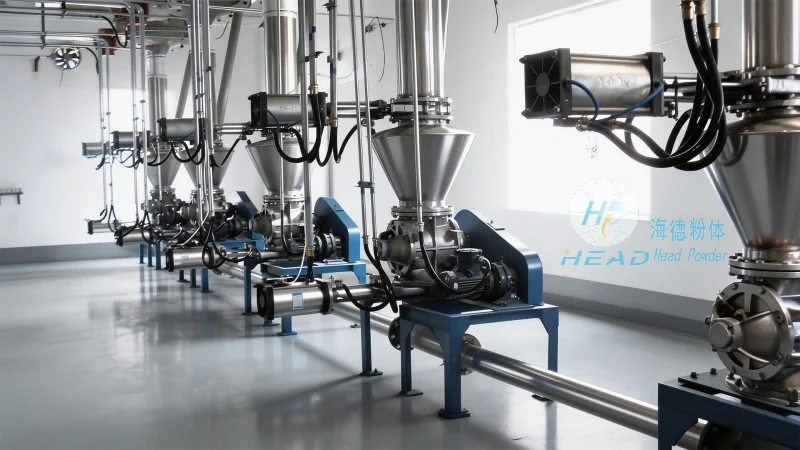
One of the main benefits of negative pressure conveying is its lower energy consumption compared to positive pressure systems, especially for shorter conveying distances. The vacuum pump operates at lower pressures, reducing the overall energy costs. However, this mode is more susceptible to dust and contamination from the environment, as the system draws air and particles from the surroundings. For steel sand, which is often fine and abrasive, this can lead to increased wear on the vacuum pump and other components.
Technical Comparison: Positive vs. Negative Pressure Conveying
When comparing positive and negative pressure conveying modes for steel sand, several factors need to be considered, including system efficiency, material handling capabilities, and operational costs. Positive pressure systems generally offer higher conveying capacities and are more suitable for long-distance transport, making them ideal for large-scale industrial applications. The sealed system also provides better dust control and material containment, which is crucial for maintaining environmental standards and worker safety.
On the other hand, negative pressure systems are more energy-efficient for shorter distances and are easier to install in existing facilities. They are often preferred for applications where the material is less abrasive or where the system needs to be integrated into an existing process without major modifications. However, the negative pressure mode requires more maintenance due to the higher risk of dust accumulation and wear on the vacuum pump.
Key Technical Considerations for Steel Sand Pneumatic Conveying
When designing a pneumatic conveying system for steel sand, several technical considerations must be addressed to ensure optimal performance and longevity. The first consideration is the material's properties, such as particle size, density, and abrasiveness. Steel sand typically consists of fine particles with high hardness, which can cause significant wear on the system components if not properly managed. Therefore, the selection of materials for the pipeline, valves, and other components is critical to minimize wear and extend the system's lifespan.
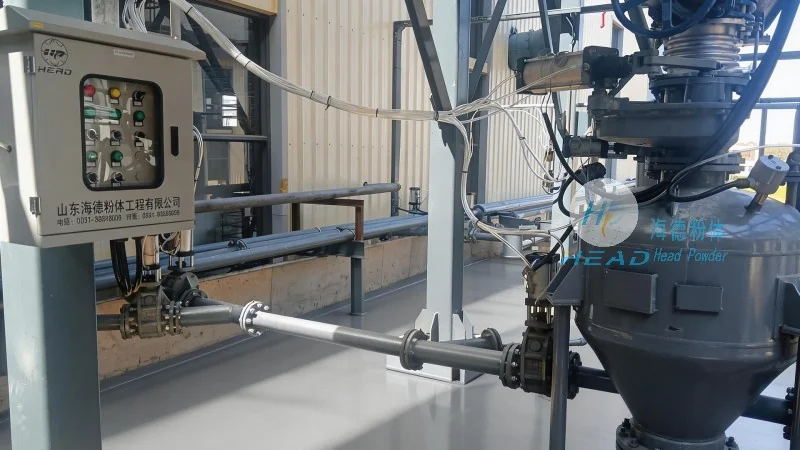
Another important factor is the conveying distance and capacity requirements. The choice between positive and negative pressure systems depends on the distance the material needs to be transported and the required flow rate. For example, a positive pressure system may be more appropriate for a foundry that needs to transport steel sand from a storage silo to a melting furnace over a distance of several hundred meters, while a negative pressure system might be suitable for a smaller operation with shorter conveying distances.
System design also involves the selection of appropriate air or gas sources. Positive pressure systems typically use compressed air, which requires a reliable compressor and filtration system to ensure clean air is supplied to the conveying line. Negative pressure systems, on the other hand, rely on vacuum pumps, which need to be sized appropriately to handle the volume of material and air being drawn into the system. The efficiency of the air or gas source directly impacts the overall energy consumption and operational costs of the system.
Operational Challenges and Solutions in Steel Sand Pneumatic Conveying
Despite the advantages of pneumatic conveying systems, several operational challenges can arise when handling steel sand. One of the main challenges is the risk of blockages or clogging in the pipeline, especially if the material contains moisture or is prone to agglomeration. To mitigate this, system designers often incorporate features such as pulse jets, rotary valves, and air locks to prevent material buildup and ensure smooth flow.
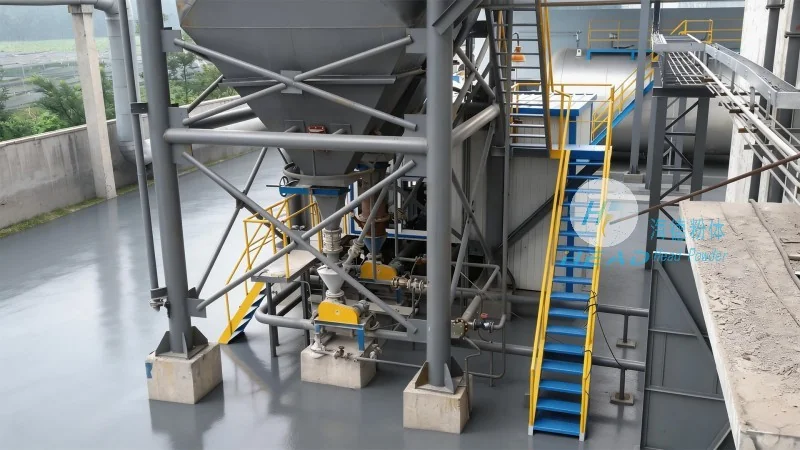
Another challenge is the wear and tear on system components due to the abrasive nature of steel sand. Regular maintenance, including inspection of pipelines, valves, and pumps, is essential to identify and replace worn parts before they cause system failures. Additionally, the use of wear-resistant materials, such as stainless steel or special alloys, can help extend the lifespan of the system components.
Dust control is also a critical consideration in steel sand pneumatic conveying. Both positive and negative pressure systems can generate dust, which poses health and safety risks to workers and can affect the surrounding environment. Proper dust collection systems, such as cyclones or baghouses, are typically integrated into the system to capture and remove dust particles before they are released into the air. This not only improves worker safety but also helps in complying with environmental regulations.
Conclusion: Selecting the Right Pneumatic Conveying System for Steel Sand
In conclusion, the choice between positive and negative pressure pneumatic conveying systems for steel sand depends on various factors, including the conveying distance, material properties, and operational requirements. Positive pressure systems offer higher capacity and better dust control, making them suitable for large-scale industrial applications. Negative pressure systems, while more energy-efficient for shorter distances, require more maintenance and are more susceptible to dust and contamination.
For industrial users, it is essential to conduct a thorough analysis of their specific needs and constraints before selecting a pneumatic conveying system. This includes evaluating the material's characteristics, the required conveying distance and capacity, and the available resources for maintenance and operation. By carefully considering these factors, users can select the most appropriate system that ensures efficient and reliable transportation of steel sand while minimizing operational costs and environmental impact.




