For industries dealing with bulk materials like sugar, efficient and reliable material handling is crucial. Pneumatic conveying systems offer a solution by transporting dry bulk materials through a pipeline using air pressure. Among the various types, positive pressure and negative pressure conveying modes are the two primary approaches. This article provides a technical analysis of these two modes, focusing on their principles, advantages, and typical applications, with a comparison to help users choose the most suitable system for their sugar handling needs.
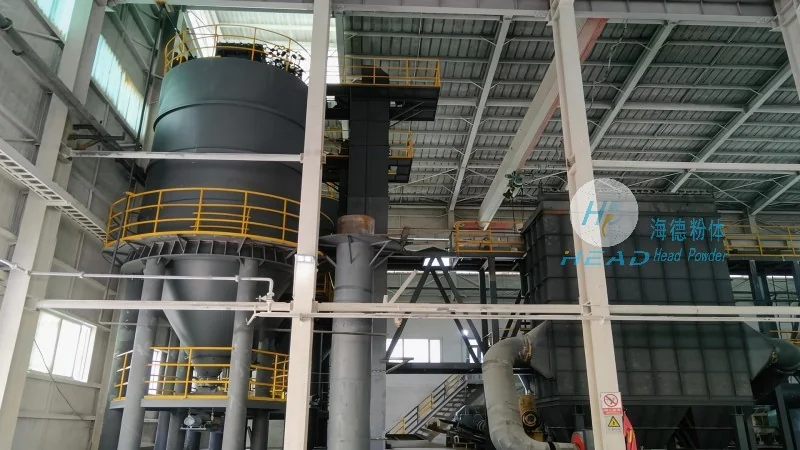
Introduction to Sugar Pneumatic Conveying Systems
Shandong HeadPowder Engineering Co., Ltd., a leading provider in the field, specializes in the design, manufacturing, and installation of pneumatic conveying systems tailored for the sugar industry. The company, operating from China, has extensive experience in optimizing material flow and ensuring product integrity during transport. Pneumatic conveying systems are widely used in sugar processing plants to move raw sugar, refined sugar, and other sugar derivatives from storage silos to processing units, packaging lines, or storage areas. The choice between positive and negative pressure systems depends on factors such as material characteristics, distance, system complexity, and operational requirements.
Positive Pressure Conveying Mode: Principles and Characteristics
Positive pressure conveying operates by blowing air or a mixture of air and product into the conveying line, creating a pressure higher than the ambient air pressure. The system typically includes a blower, a hopper, and a pipeline. The blower generates the necessary pressure to move the material through the pipeline. Key characteristics of positive pressure systems include high conveying capacity, ability to handle abrasive materials, and suitability for long-distance and high-rise applications. The positive pressure ensures that the material is pushed through the system, reducing the risk of blockages and improving overall system efficiency.
For sugar applications, positive pressure systems are often preferred when large volumes of sugar need to be transported over significant distances, such as from a storage silo to a processing plant located several hundred meters away. The high pressure also helps in maintaining the flow rate, even when dealing with sugar that may have varying moisture content or particle size. Additionally, positive pressure systems can handle materials with higher dust content, as the pressurized air helps in controlling dust emissions and ensuring a clean conveying process.
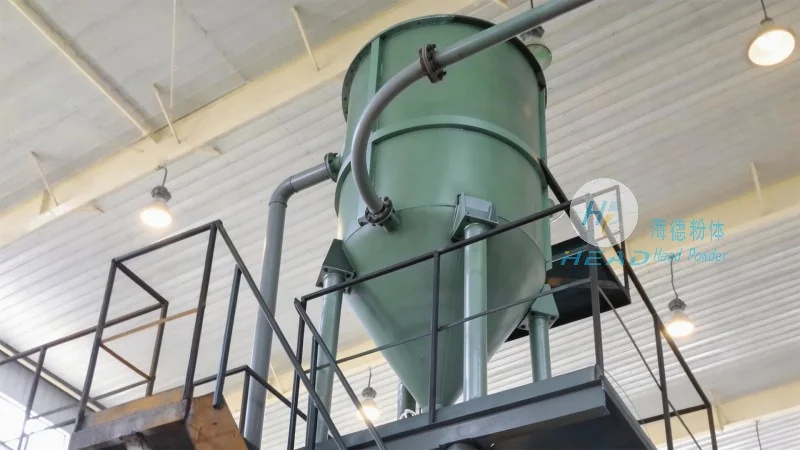
Negative Pressure Conveying Mode: Principles and Characteristics
Negative pressure conveying, also known as suction conveying, works by creating a vacuum in the conveying line, drawing material from the source into the pipeline. The system uses a vacuum pump to create the low pressure, and the material is drawn into the line by the pressure differential. Unlike positive pressure systems, negative pressure systems do not push the material but rather pull it, which can be advantageous in certain scenarios. Key characteristics of negative pressure systems include lower energy consumption for short distances, ability to handle fine powders, and reduced risk of product contamination from the environment.
In the sugar industry, negative pressure systems are commonly used for short-distance conveying, such as moving sugar from a hopper to a nearby processing unit or packaging machine. The vacuum created helps in maintaining a clean environment, as the system draws material without exposing it to external air, reducing the risk of contamination from dust or moisture. Additionally, negative pressure systems are suitable for handling fine sugar powders or granules that might be prone to caking or agglomeration, as the suction action helps in maintaining the material's flowability.
Comparison: Positive Pressure vs. Negative Pressure Conveying for Sugar
When deciding between positive and negative pressure conveying systems for sugar handling, several factors need to be considered. The primary difference lies in the direction of air flow and the pressure differential. Positive pressure systems use higher pressure to push material, while negative pressure systems use lower pressure to pull material. This fundamental difference impacts the system's energy consumption, material handling capacity, and operational complexity.
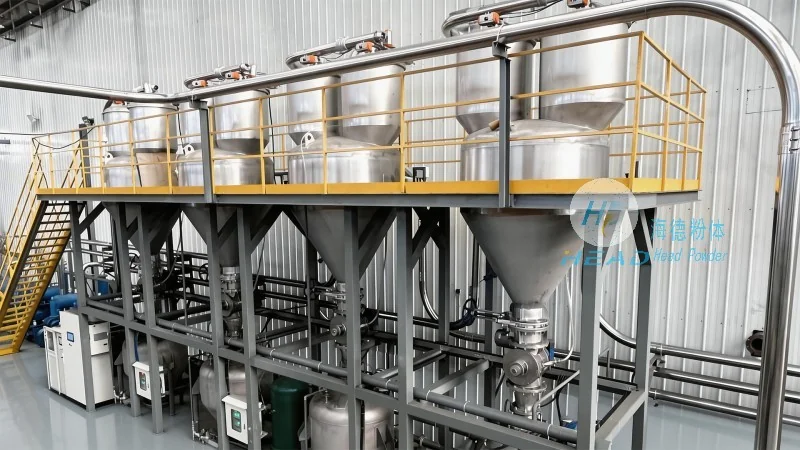
Energy consumption is a significant factor. Positive pressure systems generally consume more energy due to the need to generate higher air pressure, especially for long-distance or high-capacity applications. Negative pressure systems, on the other hand, are more energy-efficient for short distances, as they only need to create a vacuum to draw material. However, for very long distances or high-volume requirements, the energy difference may become less significant due to the increased complexity of negative pressure systems, which may require additional filtration and maintenance.
Conveying capacity is another critical aspect. Positive pressure systems typically have higher conveying capacities, making them ideal for large-scale sugar processing plants that need to move thousands of tons of sugar per day. The high pressure ensures that the material flows continuously, even when dealing with abrasive or sticky sugar products. Negative pressure systems, while capable of handling fine powders, have lower capacities and are more suitable for smaller-scale operations or short-distance transport.
System complexity and maintenance are also important considerations. Positive pressure systems are generally more complex, involving high-pressure blowers and robust pipeline designs to withstand the internal pressure. This complexity can lead to higher initial costs and more maintenance requirements, especially if the system is used for abrasive materials like sugar. Negative pressure systems are simpler in design, with vacuum pumps and lower-pressure pipelines, which can reduce maintenance costs and operational downtime. However, negative pressure systems require careful attention to filtration and dust collection to prevent clogging and ensure consistent performance.
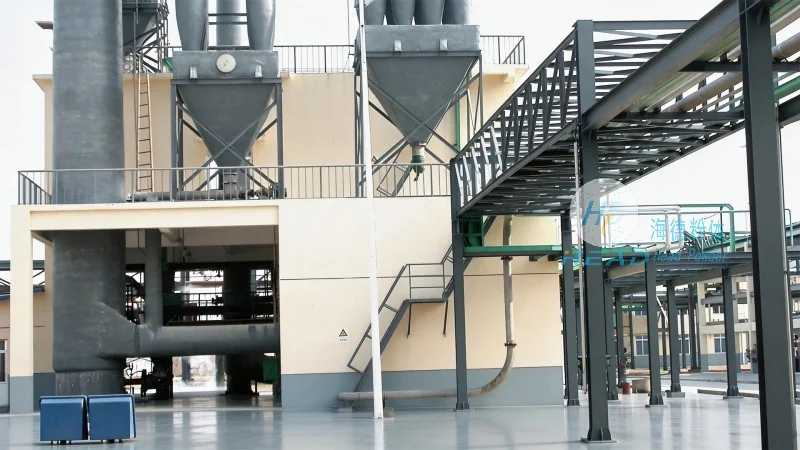
Choosing the Right Conveying Mode for Your Sugar Handling Needs
Choosing between positive and negative pressure conveying modes depends on the specific requirements of the sugar processing plant. For large-scale operations with long-distance transport needs, positive pressure systems are often the preferred choice due to their high capacity and efficiency. These systems are well-suited for moving raw sugar from storage silos to processing units, or for transferring refined sugar to packaging lines over considerable distances.
For smaller-scale operations or short-distance conveying, negative pressure systems may offer better value. These systems are ideal for moving sugar from a hopper to a nearby processing machine, or for handling fine sugar powders that require a clean, low-contamination environment. The lower energy consumption and simpler design of negative pressure systems can reduce operational costs and maintenance efforts, making them a practical option for smaller plants.
Ultimately, the decision should be based on a thorough analysis of the material characteristics, conveying distance, system capacity, and operational budget. Shandong HeadPowder Engineering Co., Ltd. offers customized solutions that can be tailored to meet the specific needs of each client, whether they require a positive pressure system for large-scale operations or a negative pressure system for smaller, more localized applications. By understanding the principles and characteristics of both modes, sugar processing plants can select the most efficient and reliable pneumatic conveying system to enhance their productivity and ensure product quality.




