For industrial applications requiring the efficient transport of dust and fine particulate materials, pneumatic conveying systems offer a reliable and effective solution. These systems utilize air as the primary medium to move materials from one location to another, providing advantages such as minimal contamination, flexibility in layout, and the ability to handle a wide range of material types. The following content explores the principles behind these systems and the characteristics of their working scenes, with a focus on the expertise of Shandong HeadPowder Engineering Co., Ltd.
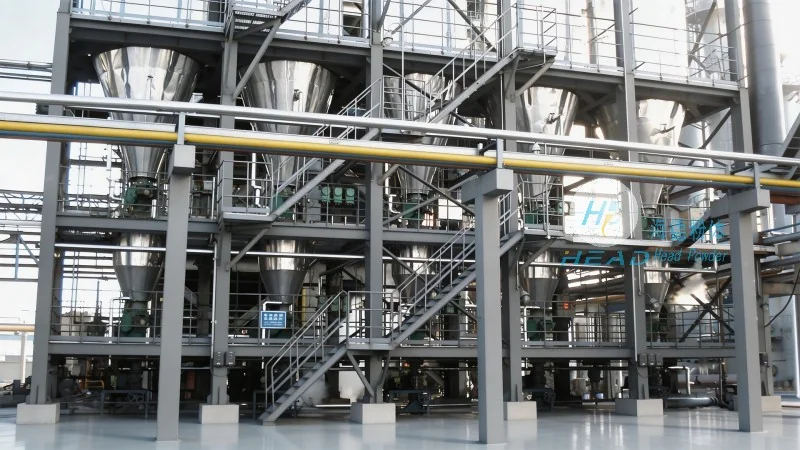
Introduction to Pneumatic Conveying Systems for Dust Collection Materials
Pneumatic conveying systems are critical in industrial settings for transporting dust and fine particulate materials efficiently. These systems utilize air as the primary medium to move materials from one location to another, offering advantages such as minimal contamination, flexibility in layout, and the ability to handle a wide range of material types. The technology is widely used in industries like power generation, cement production, pharmaceuticals, and food processing, where the transport of fine materials is essential for operational efficiency.
Working Principle of Dust Collection Material Pneumatic Conveying Systems
The core principle of these systems involves creating a pressure differential or using air flow to transport materials. In suction-type systems, a vacuum is created at the material source, drawing the material into the conveying line. In pressure-type systems, compressed air pushes the material through the pipeline. The system typically includes components like a hopper, feeder, pipeline, and receiver, with optional features like cyclones or filters to separate air from the material. The air flow is controlled to ensure the material is transported at an optimal velocity, preventing blockages and ensuring consistent delivery.
Key Components and Their Functions
Each component plays a vital role in ensuring efficient operation. The hopper holds the material and provides a consistent feed, preventing material from being exposed to the air and reducing dust generation. The feeder controls the flow rate, preventing overfeeding or underfeeding, which can lead to system inefficiencies or blockages. The pipeline transports the material, with bends and valves to direct the flow and adjust pressure. The receiver collects the material at the destination, often with a filter to capture fine particles and maintain air quality. Additional components like rotary valves or airlocks may be used to regulate material discharge, ensuring a controlled and steady flow.
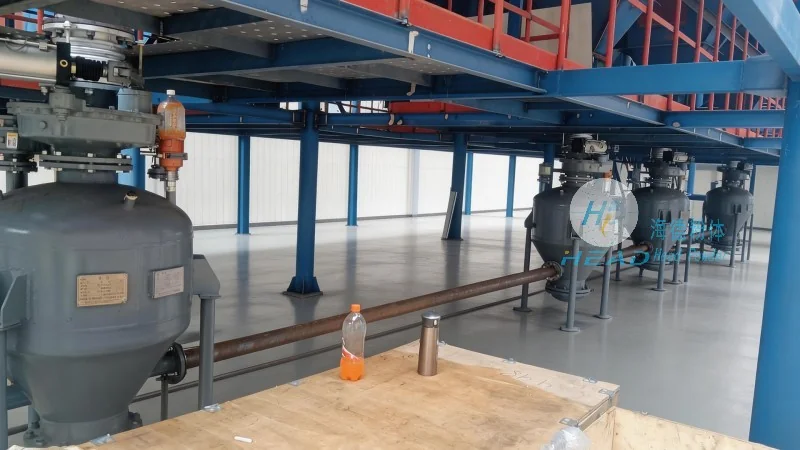
Working Scene Characteristics and Application Scenarios
The working scene characteristics of these systems are tailored to specific industrial needs. For example, in power plants, they are used to transport fly ash from dust collectors to storage silos, where the material is then used in cement production or disposed of safely. In cement plants, they handle raw materials like limestone and clinker, as well as finished products, ensuring a smooth supply chain. In pharmaceutical and food industries, they ensure hygienic material transport, with systems designed to meet strict cleanliness and safety standards. The systems can operate in both indoor and outdoor environments, with designs adapted to different space constraints and material properties, such as moisture content or particle size.
Advantages of Pneumatic Conveying Systems
Compared to traditional methods like belt conveyors or bucket elevators, pneumatic systems offer several benefits. They eliminate the need for mechanical parts in contact with the material, reducing wear and maintenance costs. They are more flexible in layout, allowing for complex routes around obstacles and equipment, which is particularly useful in confined spaces. They also provide better control over material flow, preventing overloading and ensuring consistent delivery, which is crucial for maintaining production schedules. Additionally, they can handle hazardous materials safely, as the system is enclosed and the air flow can be controlled to prevent leaks or contamination.
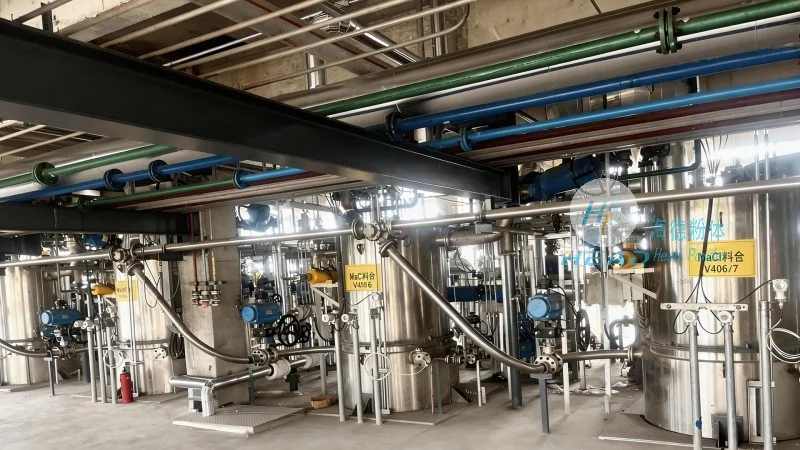
Tailored Solutions by Shandong HeadPowder Engineering Co., Ltd.
Shandong HeadPowder Engineering Co., Ltd., based in Shandong, China, specializes in designing and manufacturing customized pneumatic conveying systems for dust collection materials. The company leverages advanced engineering principles and years of industry experience to develop solutions that meet specific operational requirements, ensuring high efficiency and reliability. Their systems are built with durable materials such as stainless steel and high-grade plastics, which are resistant to corrosion and wear from the materials being transported. Advanced control systems are integrated to monitor and adjust the system parameters in real-time, optimizing performance and reducing energy consumption.
Customization and Application Flexibility
The company offers flexible customization options to suit various industrial applications. Whether for small-scale operations or large-scale industrial plants, they can design systems that handle different material types, flow rates, and distances. Their expertise in material properties and system design ensures that the chosen configuration optimizes performance and cost-effectiveness. The systems are designed to integrate seamlessly with existing infrastructure, minimizing installation and operational challenges. For example, they can adapt to existing dust collection equipment, such as electrostatic precipitators or baghouse filters, ensuring a smooth transition to the new conveying system.
Ensuring Efficiency and Reliability
Efficiency is a key focus in the design of these systems. The use of appropriate air velocities and pipeline diameters ensures that material is transported without excessive pressure loss or blockages. Regular maintenance and quality control measures are implemented to maintain system performance. The company provides technical support and after-sales services to ensure that clients can operate the systems effectively and address any issues promptly. This includes training for operators on system maintenance and troubleshooting, as well as regular inspections to identify potential issues before they become major problems.




