HeadPowder, a leading engineering company based in Shandong, China, specializes in the design and implementation of advanced pneumatic conveying systems tailored for the handling of nanopowder materials. This article explores the fundamental principles behind such systems and highlights the key characteristics of their operational scenarios, providing insights into how these technologies efficiently manage the unique challenges associated with transporting fine powders at the nanoscale.
Understanding the Core Principles of Pneumatic Conveying for Nanopowders
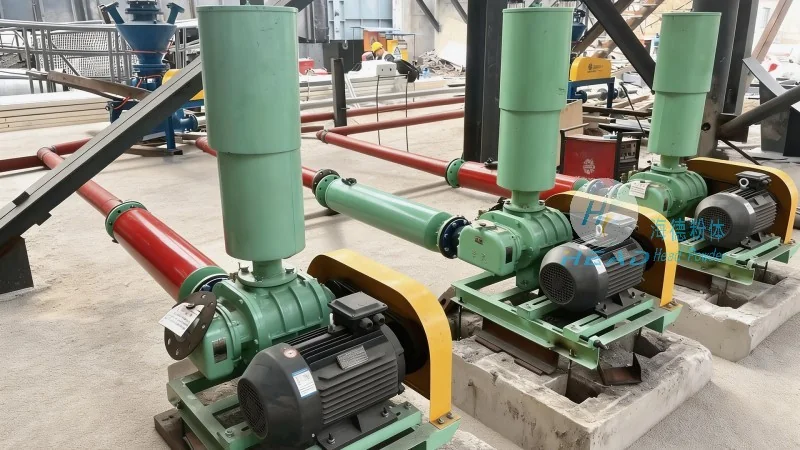
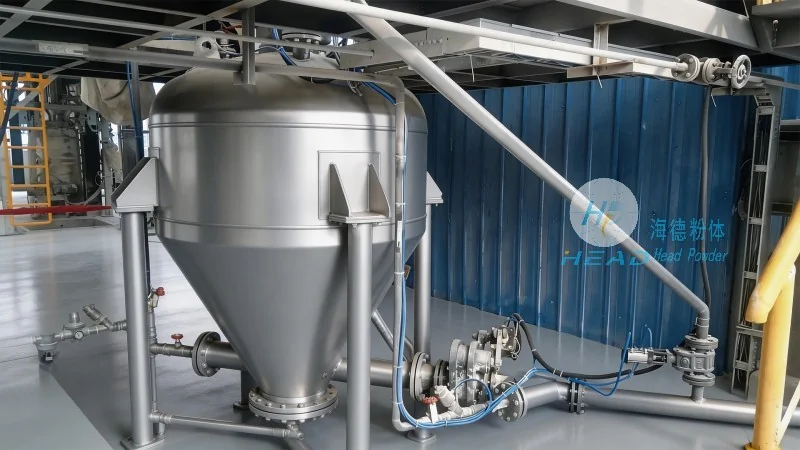
The pneumatic conveying system operates by utilizing a stream of air or gas to transport solid particles, such as nanopowders, through a pipeline. Unlike traditional mechanical conveying methods, which rely on physical contact and friction, pneumatic systems employ fluid dynamics to move materials. For nanopowders, which are characterized by extremely small particle sizes (typically below 1 micron) and high surface area, the choice of conveying method is critical to prevent agglomeration, caking, or loss of material due to static charge. The system typically consists of a feeding device, a conveying line, a separation unit, and a discharge mechanism. The feeding device, often a rotary valve or a venturi feeder, introduces the nanopowder into the air stream at a controlled rate. The air flow, generated by a blower or a compressor, accelerates the particles, maintaining them in suspension as they travel through the pipeline. The conveying velocity and pressure are carefully optimized to ensure that the particles remain entrained without settling or depositing on the pipe walls. The separation unit, commonly a cyclone or a bag filter, separates the powder from the air stream, allowing the air to be recirculated or discharged while the powder is collected in a container. This closed-loop system minimizes dust emissions and ensures a clean, efficient operation.
Key Characteristics of Operational Scenarios for Nanopowder Pneumatic Conveying
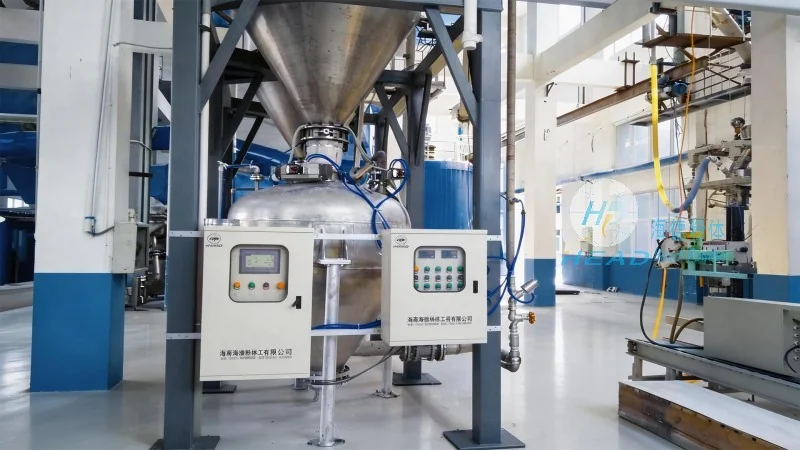
The application scenarios for nanopowder pneumatic conveying systems vary widely across different industries, each presenting unique requirements that influence system design and performance. In the pharmaceutical industry, for example, the systems must meet stringent regulatory standards for cleanliness, containment, and material purity. The equipment is often constructed from stainless steel or other inert materials to prevent contamination, and the air used for conveying is filtered to remove particulates and microorganisms. The conveying process is designed to minimize particle attrition and prevent the generation of fine dust, which could compromise product quality. In the chemical and materials processing sector, the focus is on handling a diverse range of nanopowders, including metal oxides, carbon nanotubes, and graphene. These materials may have different densities, flow properties, and reactivity, requiring customized system configurations. The systems may incorporate features such as temperature control, moisture management, or anti-static measures to address the specific properties of each material. The operational scenarios also vary based on the scale of production, from small laboratory-scale systems to large industrial plants. For small-scale applications, portable or modular systems may be employed, while large-scale operations require robust, high-capacity systems capable of handling high volumes of nanopowder. The choice of conveying method, whether it is dilute-phase or dense-phase, depends on the material's characteristics and the desired throughput. Dilute-phase systems, which use high-velocity air to keep particles suspended, are suitable for low to medium flow rates and fine powders. Dense-phase systems, which use lower velocities and higher pressure to transport particles in a slurry-like state, are preferred for high-capacity applications or materials that are prone to settling. The operational scenarios also consider the distance and layout of the conveying line, as well as the need for vertical or horizontal transport. Vertical conveying, for instance, may require additional pressure to overcome gravity, while horizontal systems rely on the momentum of the air stream to move the particles. The integration of sensors and automation in modern systems allows for real-time monitoring of flow rates, pressure, and particle concentration, enabling operators to adjust parameters dynamically and optimize performance. This level of control is particularly important in applications where precise dosing or consistent material quality is critical.
HeadPowder's Solutions for Nanopowder Pneumatic Conveying
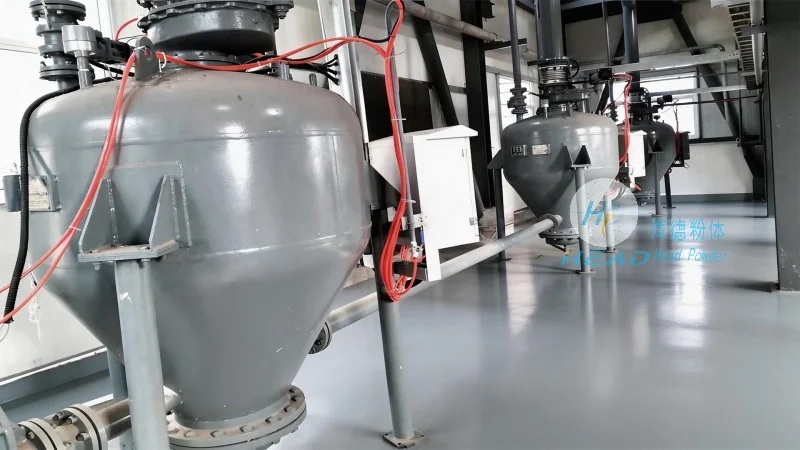
HeadPowder Engineering Co., Ltd. offers comprehensive solutions for nanopowder pneumatic conveying, leveraging years of experience in material handling and process engineering. The company's expertise lies in designing customized systems that address the specific challenges of each application. For instance, in pharmaceutical applications, HeadPowder's systems are engineered to meet cGMP (current Good Manufacturing Practice) standards, ensuring that all components are easy to clean and maintain. The company uses advanced materials and construction techniques to minimize the risk of contamination, and the air filtration systems are designed to achieve high efficiency, typically with HEPA or ULPA filters. In the chemical industry, HeadPowder's solutions may include specialized feeding devices, such as high-capacity venturi feeders or rotary valves, to handle abrasive or reactive nanopowders. The company also provides options for temperature control, such as heated pipelines or air preheating, to prevent material degradation or condensation. For food and beverage applications, HeadPowder's systems are constructed from food-grade materials, such as stainless steel 316L, and are equipped with sanitary design features to comply with FDA regulations. The company's engineers work closely with clients to understand their operational requirements, material properties, and production goals, then develop tailored solutions that maximize efficiency and minimize downtime. The systems are designed for easy integration into existing production lines, with modular components that can be scaled up or down as needed. HeadPowder's commitment to quality and innovation is reflected in its use of advanced simulation tools, such as computational fluid dynamics (CFD), to model the behavior of nanopowders in the conveying system. This allows for precise optimization of system parameters, ensuring that the final design meets performance targets while minimizing energy consumption and operational costs. The company also provides comprehensive support, including installation, commissioning, and after-sales service, to ensure that clients can fully utilize the benefits of their pneumatic conveying systems. By combining technical expertise with customer-centric solutions, HeadPowder helps industries efficiently handle nanopowder materials, improving productivity, reducing waste, and enhancing product quality.




