

What is a flour (bread powder) material pneumatic conveying equipment? What are its design principle
In the food processing sector, particularly within bakeries and flour mills, the reliable and hygienic transport of flour and other fine powders is essential for maintaining product quality and operational efficiency. Pneumatic conveying systems have become a preferred method for handling these materials due to their ability to move powders in a closed environment, reducing dust contamination and ensuring consistent flow. This equipment is specifically designed to handle the unique properties of bread powder, such as its fine particle size and hygroscopic nature, making it a critical component in modern food production lines.
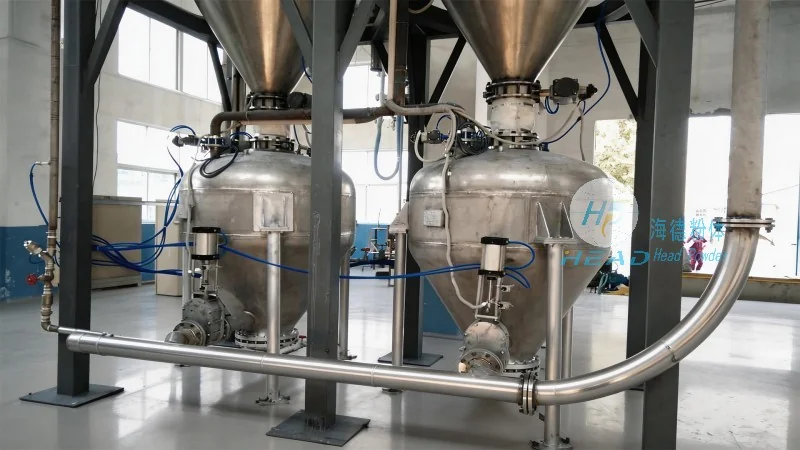
Understanding Pneumatic Conveying Systems for Bread Powder
Pneumatic conveying equipment operates by using compressed air or other gases to transport bulk materials through a network of pipes. For bread powder, the system must be engineered to handle the material's low bulk density and tendency to agglomerate, which can affect flow characteristics. The design of these systems typically involves several key components, including a feed hopper, an airlock or rotary valve, a conveying line, a separation or filtration unit, and a dust collector or cyclone separator. Each component plays a vital role in ensuring the material is conveyed efficiently and without degradation.
Design Principles of Flour Material Pneumatic Conveying Equipment
The design of a flour (bread powder) material pneumatic conveying system is based on several fundamental principles to optimize performance and maintain product integrity. First, the system must ensure a consistent and controlled flow of air and material. This is achieved through the use of appropriate air pressure and flow rates, which are carefully calculated based on the material's properties and the required conveying distance. Second, the equipment must minimize material degradation, such as caking or agglomeration, by maintaining low shear forces and preventing excessive friction within the conveying lines. Third, the design incorporates hygienic features, such as smooth surfaces, easy-to-clean components, and sealed connections, to meet food safety standards and regulatory requirements.
Key Components and Their Functions in the System
1. Feed Hopper: The feed hopper is the initial component where the bread powder is stored before being introduced into the conveying system. It is designed to hold a sufficient quantity of material to ensure continuous operation and to provide a controlled feed rate to the airlock or rotary valve. The hopper often includes a level indicator to monitor material inventory and may feature a pre-drying or conditioning section to reduce moisture content and prevent caking.
2. Airlock or Rotary Valve: This component acts as a gate between the feed hopper and the conveying line, preventing backflow of air and ensuring that only the material is transferred. The airlock typically consists of a series of chambers that open and close sequentially, allowing the material to be pushed forward by the air pressure. The rotary valve, on the other hand, uses a rotating drum with slots to meter the material into the conveying line, providing a more precise control over the feed rate.
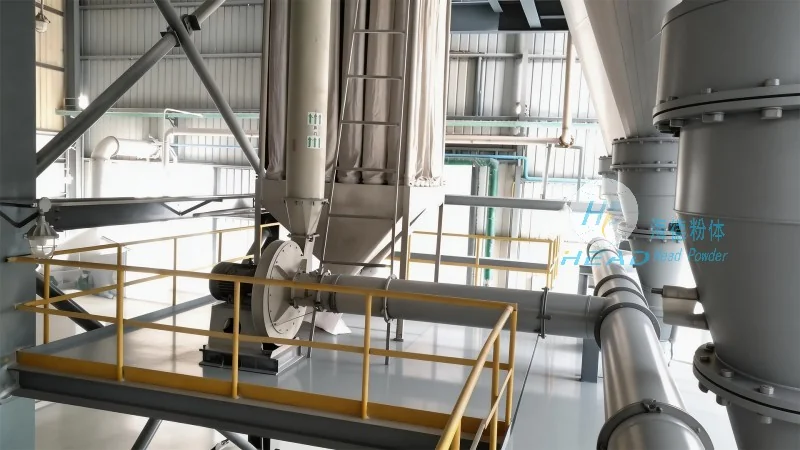
3. Conveying Line: The conveying line is the main pathway for transporting the bread powder. It is usually made of stainless steel or other corrosion-resistant materials to withstand the abrasive nature of the powder and to maintain hygiene. The line may include bends, elbows, and straight sections, with each component designed to minimize pressure drop and maintain consistent air flow. The diameter and length of the line are critical factors in determining the system's capacity and efficiency.
4. Separation or Filtration Unit: As the material exits the conveying line, it is often mixed with air, which needs to be separated from the powder. This is achieved using a cyclone separator or a bag filter. The cyclone uses centrifugal force to separate the heavier powder from the lighter air, while the bag filter traps fine particles in fabric bags. Both units are essential for maintaining air quality and preventing dust emissions.
5. Dust Collector: In some systems, a dust collector is used to capture any fine particles that may escape the separation unit. This unit typically includes a fan to draw air through a filter, which traps the dust particles. The collected dust can then be returned to the feed hopper or disposed of as waste, depending on the system's design.
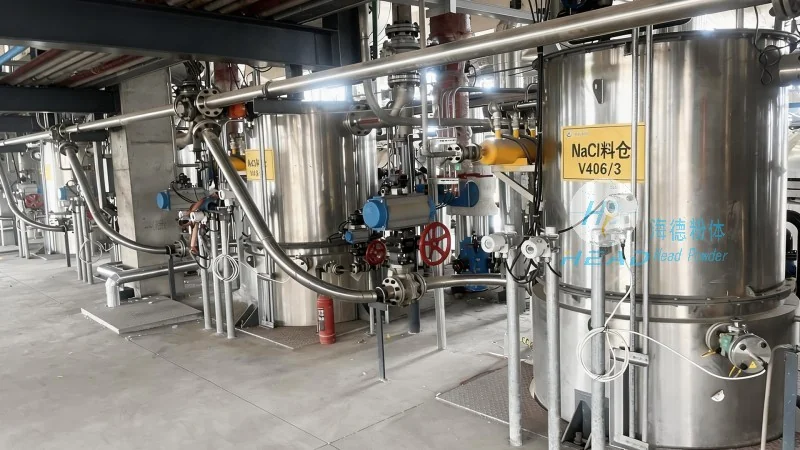
Advantages of Using Pneumatic Conveying for Bread Powder
Implementing a pneumatic conveying system for bread powder offers several advantages over traditional methods like bucket elevators or belt conveyors. First, it provides a completely enclosed transport process, which significantly reduces dust contamination and improves workplace safety. Second, the system is more flexible, as it can easily adapt to changes in production volume or material flow requirements. Third, it minimizes material degradation by avoiding direct contact with moving parts and reducing friction. Finally, the equipment is relatively easy to install and maintain, with most components being modular and replaceable.
Application in Food Processing Industries
Bread powder pneumatic conveying equipment is widely used in various food processing applications, including the production of bread, pastries, and other baked goods. In these settings, the equipment is integrated into the production line to transport flour from storage silos to mixing machines or to move finished products from processing areas to packaging lines. The system's ability to handle fine powders with precision and hygiene makes it an indispensable tool for maintaining product quality and meeting regulatory standards.
About Shandong HeadPowder Engineering Co., Ltd.
Shandong HeadPowder Engineering Co., Ltd., commonly known as HeadPowder, is a leading manufacturer of specialized pneumatic conveying equipment for the food industry. With a focus on innovation and quality, HeadPowder designs and produces systems tailored to the unique needs of flour and bread powder handling. The company's products are engineered to meet the highest standards of hygiene, efficiency, and durability, ensuring reliable performance in demanding food processing environments. HeadPowder's commitment to customer satisfaction and technical excellence has made it a trusted partner for food manufacturers worldwide.
Conclusion
Pneumatic conveying equipment for flour (bread powder) materials is a sophisticated system that combines engineering principles with practical application to ensure efficient and hygienic material transport. By understanding the design principles and key components of such systems, food processing companies can optimize their operations and maintain the quality of their products. As a leading provider in the industry, Shandong HeadPowder Engineering Co., Ltd. continues to advance the technology and provide solutions that meet the evolving needs of the food production sector.