HeadPowder, a leading engineering firm based in Shandong, China, specializes in the design and implementation of advanced pneumatic conveying systems tailored for corundum material handling. This article delves into the fundamental principles behind these systems and highlights the key operational scenarios where they excel, providing a comprehensive overview for industry professionals seeking efficient material transport solutions.
Understanding the Core Principles of Pneumatic Conveying for Corundum Materials
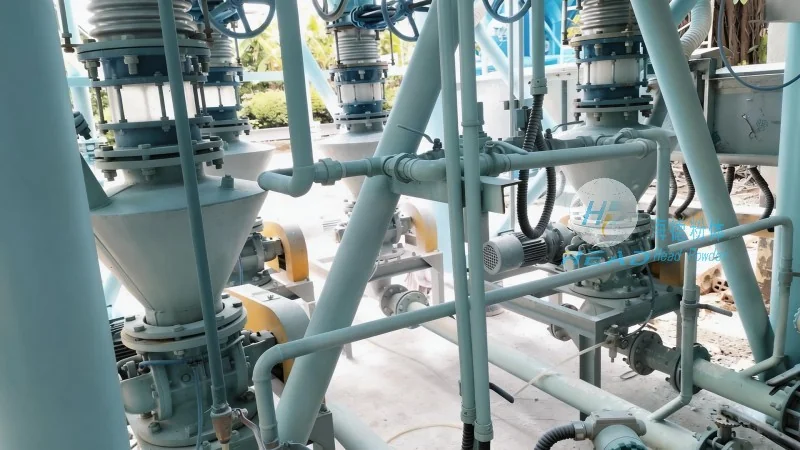
The pneumatic conveying system for corundum materials operates on the principle of using compressed air to transport solid particles through a pipeline. Unlike traditional mechanical conveying methods, this system eliminates the need for moving parts like belts or buckets, reducing maintenance requirements and enhancing operational reliability. The process typically involves a hopper or feeder that feeds the corundum material into a pipeline, where it is then entrained by a high-velocity air stream. This air stream carries the material to the destination point, such as a storage silo or processing unit. The system's efficiency is largely determined by factors like air velocity, particle size, and material density, all of which are carefully optimized to ensure smooth and continuous transport.
Key Working Scene Characteristics of Corundum Pneumatic Conveying Systems
Corundum, a high-purity form of aluminum oxide (Al₂O₃), is widely used in refractory materials, abrasive products, and high-tech ceramics. The pneumatic conveying systems designed for corundum are specifically engineered to handle its unique properties, such as high hardness and abrasive nature. These systems are commonly deployed in industrial settings where corundum is processed or transported over long distances. For instance, in refractory production facilities, the system efficiently moves raw corundum from storage to mixing and molding equipment, minimizing dust generation and ensuring consistent material quality. In abrasive manufacturing plants, the system transports fine corundum powders to grinding and blending units, maintaining particle integrity and preventing clogging in the pipeline. Additionally, in high-purity ceramic production, the system ensures that the corundum material remains free from contamination during transport, which is critical for achieving the desired product specifications.
Technical Advantages and Operational Efficiency
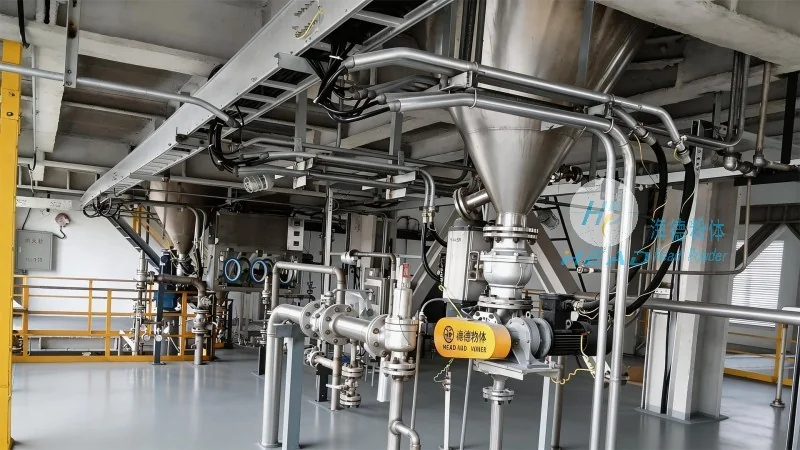
Compared to traditional conveying methods, the pneumatic conveying system for corundum offers several technical advantages. The absence of mechanical components reduces wear and tear, leading to lower maintenance costs and longer system lifespans. The system also provides better control over material flow, allowing for precise adjustment of air pressure and velocity to match the specific requirements of the corundum material. This adaptability makes it suitable for a wide range of applications, from small-scale laboratory operations to large-scale industrial production. Furthermore, the system's ability to handle abrasive materials without significant wear on the pipeline or equipment makes it a cost-effective solution for industries dealing with corundum. The operational efficiency of these systems is further enhanced by their ability to transport materials in a closed environment, reducing dust emissions and improving workplace safety. This is particularly important in industries where corundum is handled in large quantities, as it helps comply with environmental regulations and maintain a clean working environment.
Application Scenarios and Practical Implementation
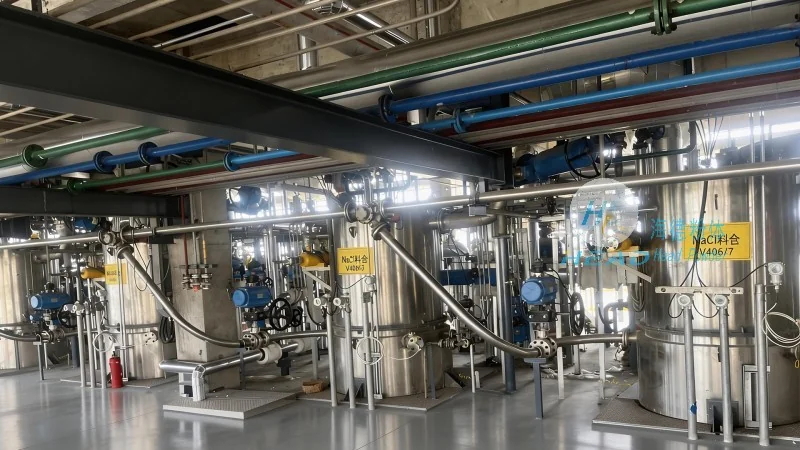
The working scene characteristics of corundum pneumatic conveying systems are best understood through their practical applications. In a typical refractory manufacturing plant, the system might start with a bulk storage silo where raw corundum is stored. From there, the material is fed into a pneumatic conveyor that transports it to a mixing plant, where it is combined with other raw materials to form refractory bricks. The system's design ensures that the material is conveyed smoothly without segregation or loss, which is crucial for maintaining the quality of the final product. Another common scenario is in abrasive tool manufacturing, where the system transports fine corundum powders to a grinding and blending unit. The system's ability to handle fine particles without clogging the pipeline is essential here, as any blockage could halt production and cause significant downtime. In high-purity ceramic production, the system might be used to transport corundum from a raw material storage area to a high-temperature sintering furnace. The system's closed design prevents contamination from external sources, ensuring that the corundum material remains pure and meets the stringent quality standards required for advanced ceramic applications.
Conclusion and Company Overview
HeadPowder Engineering Co., Ltd., based in Shandong, China, is a trusted provider of specialized pneumatic conveying systems for corundum materials. With years of experience in the industry, the company has developed advanced solutions that address the unique challenges of handling abrasive and high-purity materials. The principles and working scene characteristics discussed in this article highlight the effectiveness of these systems in improving operational efficiency, reducing costs, and ensuring product quality. By leveraging the expertise of HeadPowder, industries dealing with corundum can achieve reliable and efficient material transport, contributing to their overall productivity and competitiveness. The company's commitment to innovation and customer satisfaction makes it a leading choice for businesses seeking advanced material handling solutions.




