Understanding the principles and operational characteristics of cement raw material conveying systems is crucial for optimizing industrial production processes in the cement industry. These systems are designed to efficiently transport raw materials such as limestone, clay, and iron ore from storage areas to the grinding and processing units within a cement plant. The effectiveness of these systems directly impacts the overall productivity and efficiency of cement manufacturing operations.
Principle of Cement Raw Material Conveying Systems
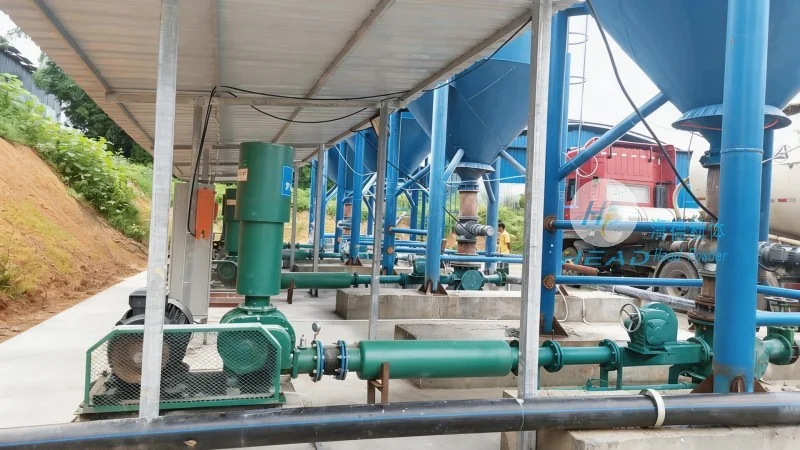
Cement raw material conveying systems typically operate on the principle of mechanical transport, utilizing various equipment like belt conveyors, bucket elevators, and pneumatic conveyors. The core function is to move bulk materials over horizontal or vertical distances with minimal energy consumption and maximum reliability. Belt conveyors, for instance, use a continuous loop of rubber or plastic belt to carry materials, while bucket elevators employ buckets attached to a chain or belt to lift materials vertically. Pneumatic conveyors, on the other hand, use air pressure to transport materials through a pipeline system. Each type of equipment is selected based on the specific characteristics of the raw material, such as particle size, moisture content, and bulk density, as well as the layout and scale of the cement plant.
Working Scene Characteristics of Cement Raw Material Conveying Systems
The working scene characteristics of cement raw material conveying systems vary significantly depending on the scale and type of cement production facility. In large-scale industrial cement plants, these systems are often integrated into a complex network of conveyors, elevators, and storage silos, forming a seamless material flow from raw material extraction to the final clinker production stage. The operational environment is typically characterized by high throughput requirements, continuous 24/7 operation, and the need for robust equipment capable of handling abrasive and heavy materials. For example, in a typical cement plant, raw materials are first stored in large stockpiles or silos, then conveyed to the raw mill for grinding. The conveying systems must be able to handle large volumes of material at a consistent rate to ensure the raw mill operates at optimal efficiency. Additionally, the systems are designed to minimize downtime and maintenance, as any interruption in material supply can lead to significant production losses.
About Shandong HeadPowder Engineering Co., Ltd.
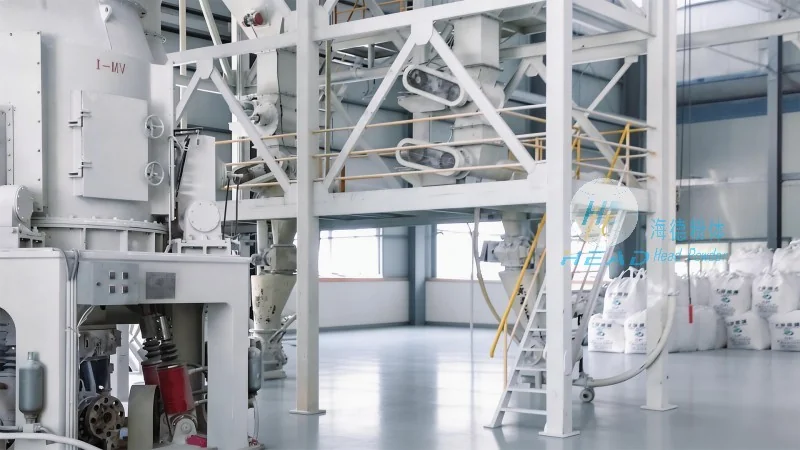
Shandong HeadPowder Engineering Co., Ltd., commonly known as headpowder, is a professional manufacturer and supplier of cement raw material conveying systems and related industrial equipment. With a strong focus on research and development, the company specializes in designing and manufacturing high-quality, customized conveying solutions tailored to the specific needs of cement manufacturers. Headpowder's products are known for their durability, efficiency, and reliability, meeting the demanding requirements of modern cement production. The company's headquarters is located in Shandong, China, where it has established a comprehensive production and service network to support its global clients.
Application Scenarios in Cement Production
Cement raw material conveying systems are widely used in various stages of cement production, from raw material handling to clinker processing. In the raw material preparation stage, these systems are responsible for transporting limestone, clay, and other raw materials from the quarry to the storage silos. The systems must be able to handle the raw materials' varying particle sizes and moisture content, ensuring consistent material quality for the subsequent grinding process. During the clinker production stage, the conveying systems transport the ground raw materials to the rotary kiln, where they are heated to high temperatures to form clinker. The efficiency of the conveying system directly affects the kiln's operation, as any delay in material supply can cause the kiln to operate at suboptimal conditions. Moreover, the systems are often integrated with other equipment, such as crushers and screens, to form a complete raw material processing line.
Advantages of Advanced Cement Raw Material Conveying Systems
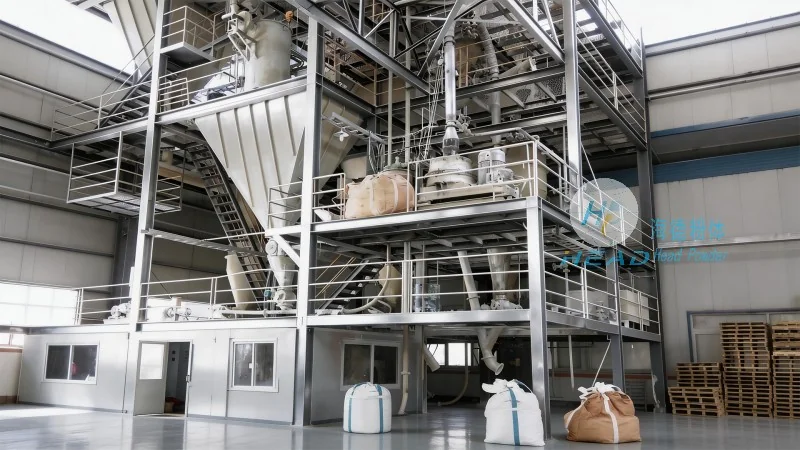
Modern cement raw material conveying systems offer several advantages over traditional methods, including improved energy efficiency, reduced maintenance costs, and enhanced operational flexibility. Advanced systems utilize intelligent control technologies, such as PLC (Programmable Logic Controller) and SCADA (Supervisory Control and Data Acquisition) systems, to monitor and control the conveying process in real-time. This allows for precise control of material flow rates, ensuring optimal performance and minimizing energy waste. Additionally, the use of high-quality materials and advanced manufacturing techniques has led to increased durability and longer service life of the equipment, reducing the need for frequent replacements and maintenance. The flexibility of modern conveying systems also allows for easy integration with other production processes, enabling cement manufacturers to adapt to changing production demands and improve overall plant efficiency.
Conclusion
In conclusion, cement raw material conveying systems play a vital role in the efficient and reliable operation of cement production facilities. The principles and working scene characteristics of these systems are designed to meet the demanding requirements of modern cement manufacturing, ensuring high throughput, minimal downtime, and optimal material quality. With the continuous advancement of technology, these systems are becoming more efficient and reliable, contributing to the overall productivity and competitiveness of cement manufacturers. As a leading manufacturer in the industry, Shandong HeadPowder Engineering Co., Ltd. continues to provide high-quality conveying solutions that meet the evolving needs of the cement industry, helping clients achieve their production goals with minimal operational challenges.




