HeadPowder, a leading engineering firm based in Shandong, China, specializes in the design and implementation of advanced pneumatic conveying systems for cement powder. This article provides a detailed analysis of the two primary modes of cement powder pneumatic conveying: positive pressure and negative pressure systems. Understanding the differences between these modes is crucial for selecting the most suitable technology for specific industrial applications.
Introduction to Cement Powder Pneumatic Conveying
Pneumatic conveying is a method of transporting bulk materials like cement powder through a pipeline using air or gas as the conveying medium. It offers several advantages over traditional mechanical conveying, including reduced equipment wear, lower energy consumption, and the ability to handle materials that are difficult to transport by other means. The two main categories of pneumatic conveying systems are positive pressure and negative pressure systems, each with distinct operational principles and applications.
Positive Pressure Pneumatic Conveying Systems
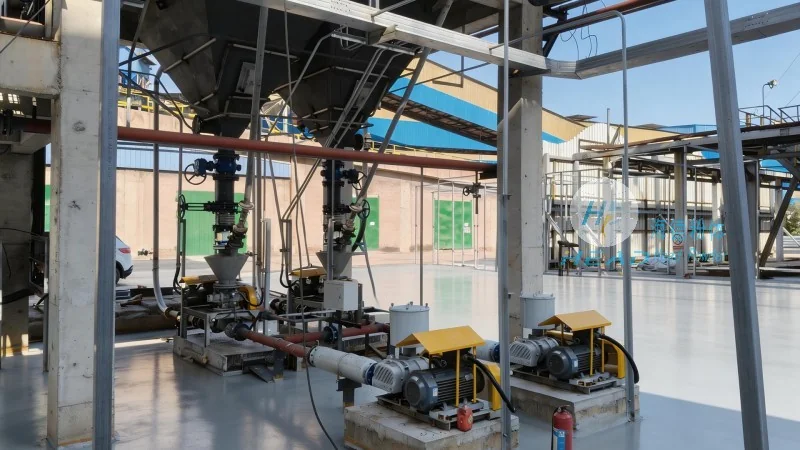
Positive pressure systems operate by blowing air or gas into the material to be conveyed, creating a pressure higher than the ambient air pressure within the pipeline. This method is commonly known as pressure pneumatic conveying. In a positive pressure system, the material is drawn into the conveying line by the moving air stream, which is typically generated by a positive displacement blower or a centrifugal fan. The air and material mixture is then transported to the destination point, where the material is separated from the air using a cyclone or other separation equipment.
One of the key advantages of positive pressure systems is their ability to handle long conveying distances and high material loads. They are particularly effective for applications where the material needs to be transported over significant distances or where the system must operate at high pressures. Additionally, positive pressure systems are generally more reliable and easier to maintain compared to negative pressure systems, as they do not require vacuum pumps or other vacuum-related equipment.
However, positive pressure systems have some limitations. They can be more expensive to install and operate due to the higher energy requirements for generating the necessary pressure. Moreover, they may not be suitable for applications where the material is highly abrasive or where there are strict environmental regulations regarding air emissions. In such cases, the higher pressure and air volume can lead to increased dust emissions and noise levels.
Negative Pressure Pneumatic Conveying Systems
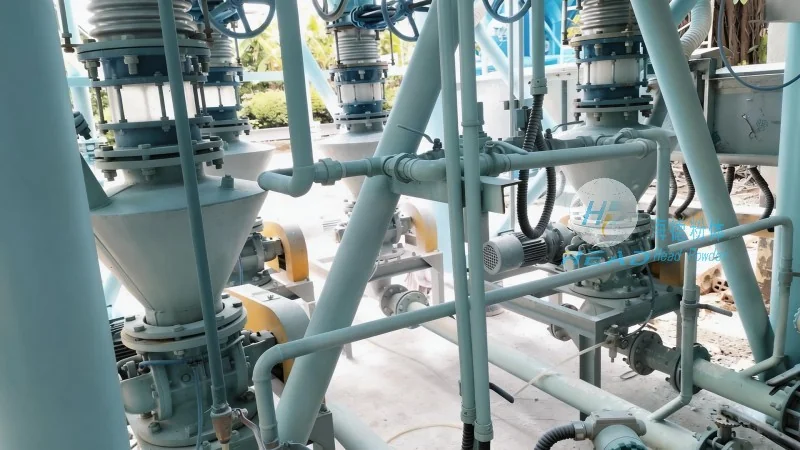
Negative pressure systems, also known as vacuum pneumatic conveying systems, operate by creating a vacuum within the conveying pipeline, which draws the material into the system. The air and material mixture is then transported to the destination point, where the material is separated from the air using a cyclone or other separation equipment. In a negative pressure system, the air is typically drawn from the pipeline by a vacuum pump, which creates a pressure lower than the ambient air pressure.
One of the main advantages of negative pressure systems is their ability to handle materials that are sensitive to pressure or that require a low-pressure environment. They are particularly effective for applications where the material needs to be transported from a high elevation to a lower elevation, as the vacuum can help to draw the material down the pipeline. Additionally, negative pressure systems are generally more energy-efficient for short to medium conveying distances, as they do not require the high pressure and air volume of positive pressure systems.
However, negative pressure systems have some drawbacks. They are generally more complex and expensive to install and maintain compared to positive pressure systems, as they require vacuum pumps and other vacuum-related equipment. Additionally, they may not be suitable for applications where the material is highly abrasive or where there are strict environmental regulations regarding air emissions. The vacuum created in the system can also lead to increased noise levels and may require additional filtration to meet environmental standards.
Comparison of Positive and Negative Pressure Systems
When selecting between positive and negative pressure pneumatic conveying systems for cement powder, several factors must be considered. The primary factors include the conveying distance, the material characteristics, the required material flow rate, and the environmental regulations in the area. Positive pressure systems are generally more suitable for long conveying distances and high material loads, while negative pressure systems are more suitable for short to medium distances and materials that are sensitive to pressure.
Material characteristics also play a significant role in the selection process. For example, if the cement powder is highly abrasive, a positive pressure system with appropriate wear-resistant materials may be more suitable. Conversely, if the material is sensitive to pressure or requires a low-pressure environment, a negative pressure system may be the better choice. The required material flow rate is another important factor, as positive pressure systems can handle higher flow rates more efficiently than negative pressure systems.
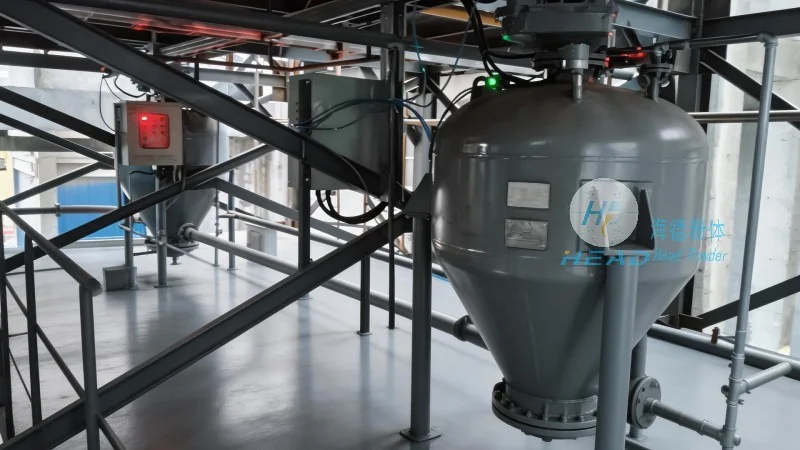
Environmental regulations are also a critical consideration. Positive pressure systems may require additional filtration to meet air emission standards, while negative pressure systems may require additional noise control measures. The cost of installation and maintenance is another factor to consider, as positive pressure systems are generally less expensive to operate and maintain compared to negative pressure systems.
Applications of Cement Powder Pneumatic Conveying
Cement powder pneumatic conveying systems are widely used in various industries, including cement manufacturing, construction, and chemical processing. In cement manufacturing, these systems are used to transport raw materials, such as limestone and clay, from storage silos to the grinding mills. In construction, they are used to transport cement from storage silos to mixing plants or job sites. In chemical processing, they are used to transport various powders and granules, including cement, to processing equipment.
HeadPowder, as a leading engineering firm, provides customized pneumatic conveying solutions for these applications. Our engineers work closely with clients to understand their specific requirements and design systems that meet their needs. We offer both positive and negative pressure systems, as well as hybrid systems that combine the advantages of both modes. Our systems are designed to be efficient, reliable, and environmentally friendly, ensuring that they meet the highest standards of performance and safety.
Conclusion
In conclusion, both positive and negative pressure pneumatic conveying systems are effective methods for transporting cement powder. The choice between the two modes depends on several factors, including the conveying distance, material characteristics, required flow rate, and environmental regulations. Positive pressure systems are generally more suitable for long distances and high material loads, while negative pressure systems are more suitable for short to medium distances and materials that are sensitive to pressure. HeadPowder, with its expertise in pneumatic conveying technology, can provide the most suitable system for any cement powder application, ensuring optimal performance and efficiency.




