PTA (Polyethylene Terephthalate) is a critical raw material in the production of polyester fibers and resins, and efficient material handling is essential for maintaining production efficiency and product quality. Pneumatic conveying technology offers a solution to transport PTA powder and granules from one location to another within industrial facilities. This article provides a comprehensive analysis of the two primary types of pneumatic conveying systems—vacuum and positive pressure systems—used in PTA processing, along with their applications and technical considerations. As a leading provider of engineering solutions for material handling, Shandong HeadPowder Engineering Co., Ltd. specializes in designing and implementing pneumatic conveying systems tailored to the specific needs of PTA manufacturers.
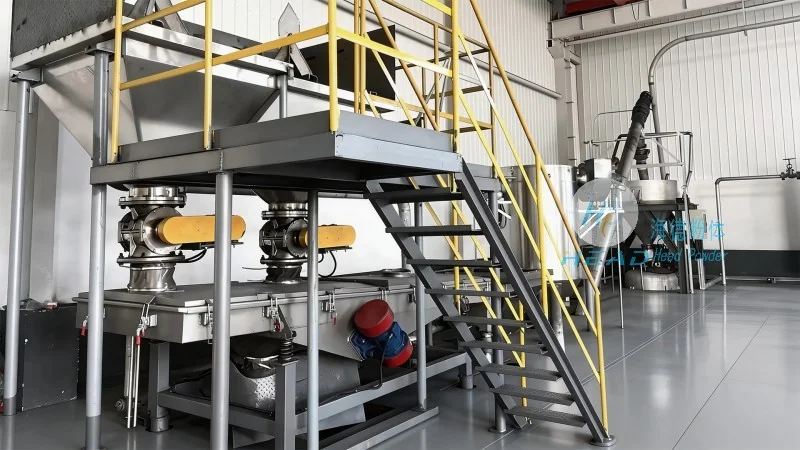
Vacuum Pneumatic Conveying Systems for PTA
Vacuum pneumatic conveying systems utilize a vacuum to draw material from a source, such as a hopper or storage silo, into a conveying line. This method is particularly effective for transporting PTA in applications where the material needs to be moved over short to medium distances, often from a storage area to a processing unit. The system operates by creating a negative pressure in the conveying line, which pulls the PTA particles into the pipeline. A key advantage of vacuum systems is their ability to handle fine powders and prevent dust dispersion, as the material is drawn into the system rather than being expelled. This makes them suitable for environments where dust control is a priority. The vacuum system typically includes a vacuum pump, a filter to capture any fine particles, and a receiver where the PTA is deposited. The design of the vacuum system must consider factors such as the material's bulk density, flowability, and the distance to be covered, as these parameters directly impact the system's efficiency and energy consumption.
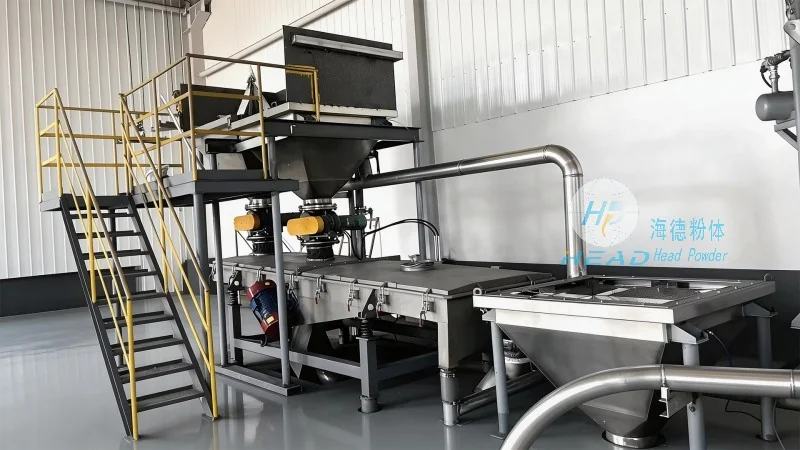
Positive Pressure Pneumatic Conveying Systems for PTA
Positive pressure systems, on the other hand, use compressed air to push the PTA material through the conveying line. This approach is ideal for longer distances and for handling bulkier materials that may have higher bulk densities. The system operates by supplying compressed air to the material source, which then forces the PTA into the pipeline. Positive pressure systems are often preferred in applications where the material needs to be transported over distances exceeding 100 meters or where the material has a higher flow resistance. One of the main benefits of positive pressure systems is their ability to handle a wider range of material types, including coarser powders and granules, without the need for extensive pre-processing. The system typically includes a blower or compressor, a hopper or feeder to control the material flow, and a receiver at the destination. The design of a positive pressure system must account for factors like the material's particle size distribution, moisture content, and the required flow rate, as these factors influence the system's performance and maintenance requirements.
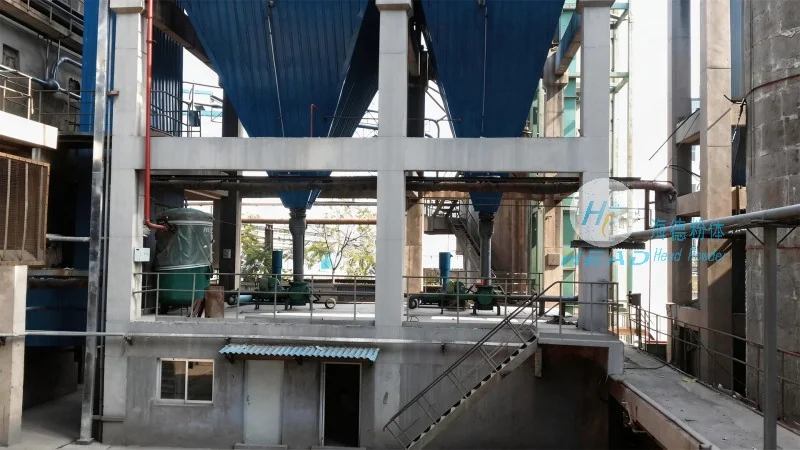
Key Considerations for PTA Pneumatic Conveying
When selecting a pneumatic conveying system for PTA, several factors must be evaluated to ensure optimal performance and cost-effectiveness. The first consideration is the distance between the source and destination, as this determines whether a vacuum or positive pressure system is more suitable. Shorter distances (typically up to 50 meters) are often better suited for vacuum systems due to their lower energy consumption and simpler design. Longer distances (over 100 meters) may require a positive pressure system to maintain adequate material flow. Another critical factor is the material's physical properties, such as bulk density, flowability, and particle size. Fine PTA powders are more effectively handled by vacuum systems due to their tendency to create dust and require careful filtration. Coarser granules, however, may benefit from positive pressure systems, which can handle higher flow rates and reduce the risk of blockages. Additionally, the system's energy efficiency and maintenance costs are important considerations. Vacuum systems generally consume less energy than positive pressure systems, but they may require more frequent filter changes and maintenance due to the fine particles being conveyed. Positive pressure systems, while more energy-intensive, may have lower maintenance costs as they handle coarser materials that are less likely to clog the system.
Applications of PTA Pneumatic Conveying
Pneumatic conveying systems are widely used in the PTA industry for various applications, including material transfer from storage silos to processing units, transfer between different processing stages (e.g., from a dryer to a reactor), and handling of waste materials. In storage facilities, vacuum systems are commonly used to transfer PTA from large storage silos to feed hoppers of processing equipment, ensuring a continuous and dust-free flow. Positive pressure systems are often employed in applications where the material needs to be transported over longer distances, such as from a production line to a waste treatment facility. The choice of system depends on the specific requirements of the application, including the distance, material properties, and environmental regulations. For example, in a PTA plant, a combination of both vacuum and positive pressure systems may be used to handle different stages of material flow, with vacuum systems used for short-distance transfers and positive pressure systems for longer-distance or bulkier material handling.
Conclusion
PTA pneumatic conveying technology offers efficient and reliable solutions for handling PTA powder and granules in industrial settings. Both vacuum and positive pressure systems have their unique advantages and are suitable for different applications based on factors such as distance, material properties, and operational requirements. By understanding the technical characteristics and operational considerations of each system, manufacturers can select the most appropriate pneumatic conveying solution to enhance production efficiency, improve product quality, and ensure safe and environmentally friendly material handling. As the demand for PTA continues to grow, the development of advanced pneumatic conveying systems will play a crucial role in meeting the industry's needs for sustainable and efficient material processing.




