Pepper powder, a vital ingredient in global culinary traditions, demands precise and efficient handling from raw material reception to final product packaging. The choice of pneumatic conveying technology is critical to maintaining product quality, ensuring operational efficiency, and minimizing material loss. This article delves into the technical nuances of pneumatic conveying systems for pepper powder, focusing on the comparison between positive and negative pressure modes. By understanding the distinct characteristics and applications of each mode, processors can select the most suitable solution for their specific operational needs.
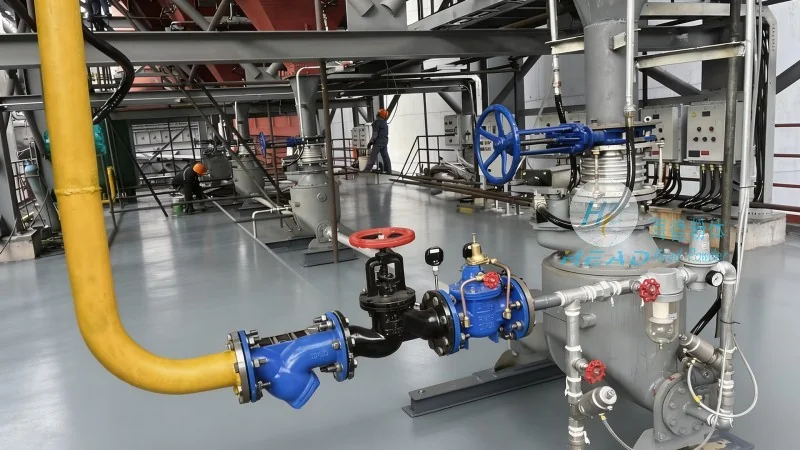
Understanding Pneumatic Conveying Systems for Pepper Powder
Pneumatic conveying is a method of transporting bulk materials like pepper powder using air as the conveying medium. It offers advantages such as reduced contamination risk, improved hygiene, and the ability to handle sensitive materials without mechanical contact. The two primary modes—positive pressure and negative pressure—differ in how they generate the air flow and control material movement.
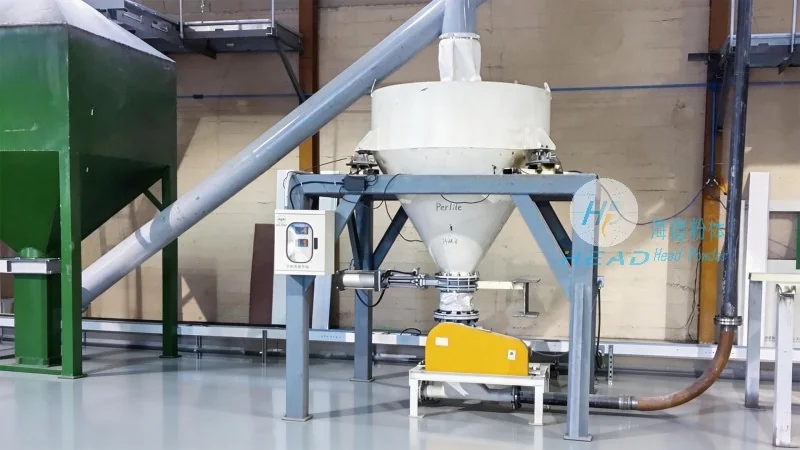
Positive Pressure Conveying Mode: Advantages and Applications
Positive pressure systems operate by blowing air into the conveying line, creating a pressure higher than the ambient environment. This mode is particularly effective for conveying pepper powder over short to medium distances and is well-suited for applications where the material is to be deposited directly into a processing vessel or packaging machine. The high-pressure air ensures consistent flow rates and can handle materials with varying particle sizes, including fine powders like pepper powder. A key advantage is the ability to maintain a positive pressure in the system, which prevents contaminants from entering the line and protects the product from external air exposure. This is especially important for maintaining the flavor and color integrity of pepper powder, which can be susceptible to oxidation or moisture absorption.
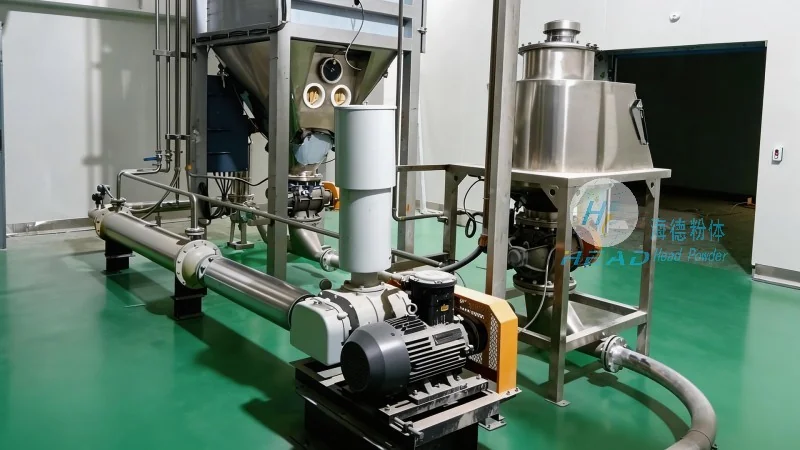
Negative Pressure Conveying Mode: Characteristics and Use Cases
Negative pressure systems, conversely, draw air and material from the system using a vacuum, creating a pressure lower than the ambient environment. This mode is ideal for long-distance conveying and for applications where the material needs to be collected from multiple points before being transported to a central processing unit. The vacuum effect allows for gentle handling of delicate materials, reducing the risk of particle breakage or agglomeration. Negative pressure systems are often preferred in environments where dust control is a priority, as the sealed line prevents dust from escaping into the workspace. However, they require careful management of air intake to avoid drawing in external contaminants, which could compromise product purity.
Comparative Analysis: Positive vs. Negative Pressure for Pepper Powder
When selecting between positive and negative pressure modes for pepper powder, several factors must be considered. The distance of the conveying line is a primary determinant: positive pressure is generally more suitable for shorter distances (typically up to 100 meters), while negative pressure excels at longer distances (up to several hundred meters). Material characteristics also play a role; fine, cohesive powders like pepper powder may benefit more from the gentle handling of negative pressure to avoid agglomeration, whereas positive pressure can handle bulkier materials with higher flow rates. Operational costs are another consideration: positive pressure systems may require more energy due to the need to generate high air pressure, whereas negative pressure systems can be more energy-efficient for long-distance transport. Additionally, the need for dust control and contamination prevention influences the choice—positive pressure systems offer better protection against external contaminants, while negative pressure systems excel at containing dust within the system.
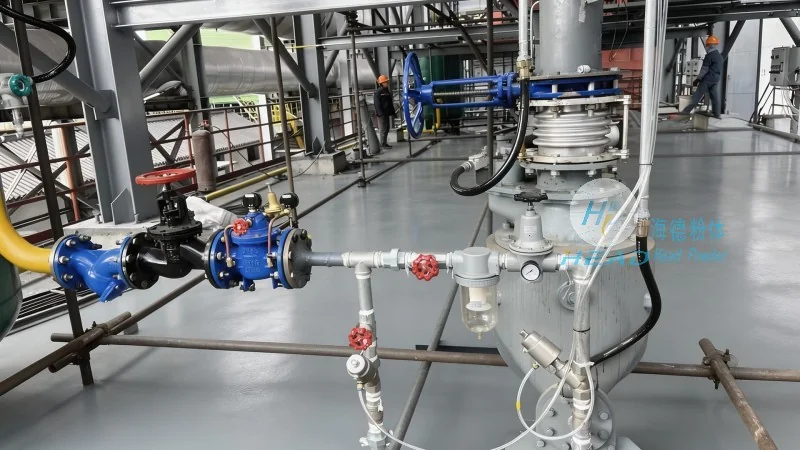
HeadPowder Engineering's Expertise in Pepper Powder Conveying Solutions
Shandong HeadPowder Engineering Co., Ltd., a leading provider of pneumatic conveying systems, specializes in designing and manufacturing tailored solutions for the food processing industry. With decades of experience, HeadPowder understands the unique challenges of handling pepper powder, including its fine particle size, hygroscopic nature, and sensitivity to moisture and temperature. The company’s engineers work closely with clients to assess their specific operational requirements, such as conveying distance, material flow rates, and product quality standards, to recommend the most appropriate positive or negative pressure system. HeadPowder’s solutions are built with high-quality materials, such as stainless steel, to ensure durability and compliance with food safety regulations. The company also offers customization options, including adjustable pressure controls, filtration systems, and integration with existing processing lines, to meet the diverse needs of pepper powder processors. By leveraging advanced technology and a deep understanding of material behavior, HeadPowder delivers reliable and efficient pneumatic conveying systems that enhance productivity and protect product integrity.




