When it comes to transporting graphite lumps, pneumatic conveying systems offer efficient and reliable solutions. The choice between positive pressure and negative pressure modes significantly impacts system performance, cost, and operational safety. This article provides a detailed analysis of these two primary pneumatic conveying modes, focusing on their mechanisms, advantages, and practical applications in the graphite industry.
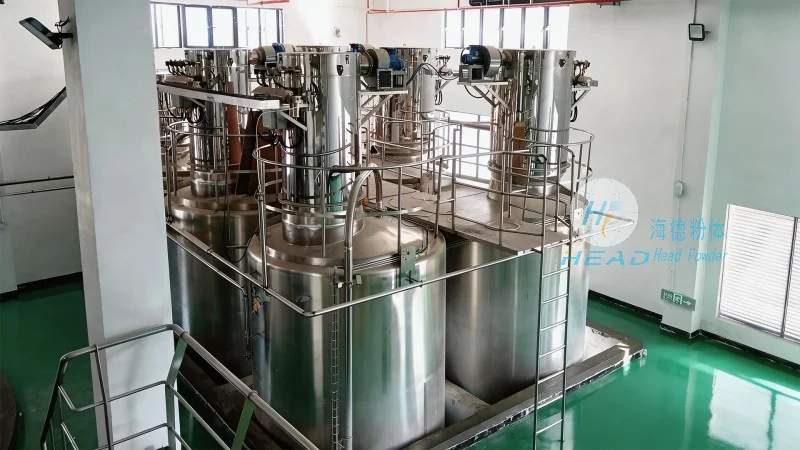
Understanding Positive Pressure Pneumatic Conveying
Positive pressure systems operate by blowing air or gas into the conveying line, creating a pressure higher than the ambient environment. This method is widely used for transporting graphite lumps due to its ability to handle a wide range of particle sizes and moisture content. The system typically consists of a blower, a hopper for material storage, and a pipeline network that transports the material to the destination. As the material is drawn into the line by the pressure differential, it is propelled forward through the pipeline.
One of the key advantages of positive pressure systems is their high conveying capacity and ability to handle abrasive materials like graphite without significant wear on the system components. The pressurized environment also helps in maintaining material integrity, preventing dust generation and ensuring a clean transfer process. However, these systems require robust sealing and filtration to prevent air leakage and maintain system efficiency.
Advantages and Applications of Positive Pressure Conveying
Positive pressure pneumatic conveying is particularly suitable for long-distance and high-volume transport of graphite lumps. It is commonly used in industrial settings where the material needs to be moved from a storage silo to processing equipment or a packaging area. The system's ability to handle large quantities of material makes it ideal for bulk material handling in graphite production facilities. Additionally, positive pressure systems can operate in environments with varying temperatures and humidity levels, making them versatile for different operational conditions.
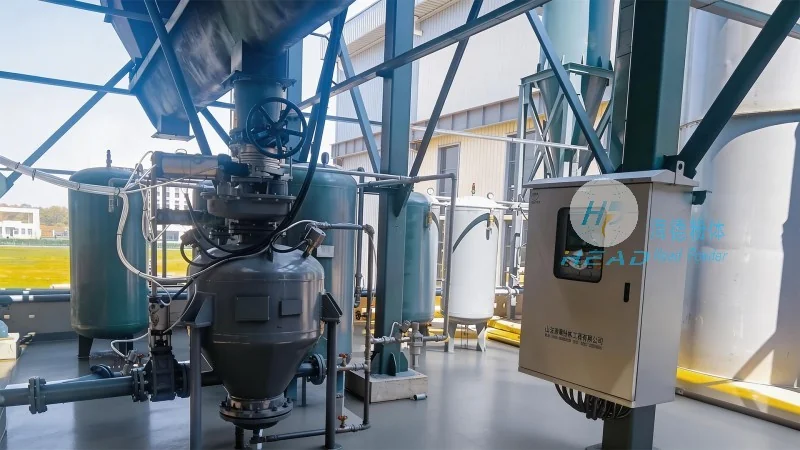
Exploring Negative Pressure Pneumatic Conveying
Negative pressure systems, also known as vacuum conveying, work by creating a vacuum in the conveying line, which draws material from the source into the system. This method is often preferred for applications requiring gentle material handling, as the vacuum pulls the material rather than pushing it through the line. The system includes a vacuum pump, a hopper, and a collection point where the material is deposited.
The primary benefit of negative pressure systems is their ability to handle fine or delicate materials without causing breakage or degradation. This is crucial for graphite lumps that may be sensitive to impact or pressure. The vacuum environment also helps in controlling dust and maintaining a clean working environment, as the material is drawn into the system rather than being expelled.
Advantages and Applications of Negative Pressure Conveying
Negative pressure pneumatic conveying is commonly used for short to medium distance transport of graphite lumps, especially when the material needs to be transferred from a lower elevation to a higher one. It is ideal for applications where the material is stored in containers or bins that are not easily accessible by positive pressure systems. The system's gentle handling makes it suitable for transporting graphite lumps that are prone to dust or require minimal particle breakage, such as for high-purity applications.
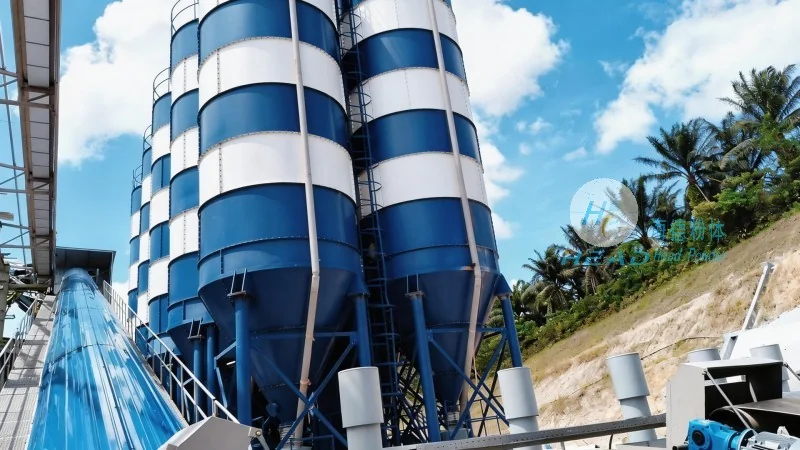
Comparative Analysis: Positive vs. Negative Pressure
When deciding between positive and negative pressure pneumatic conveying for graphite lumps, several factors need to be considered. The choice depends on the distance of transport, the volume of material, the particle size and characteristics, and the operational environment. Positive pressure systems are generally more suitable for long-distance and high-volume applications due to their higher conveying capacity and ability to handle abrasive materials. They are also more cost-effective for large-scale operations.
On the other hand, negative pressure systems are preferred for short-distance, low-volume, or delicate material handling. They are ideal for applications where the material is sensitive to pressure or impact, and where dust control is a critical concern. The system's lower energy consumption and gentler handling make it a viable option for specific industrial needs.
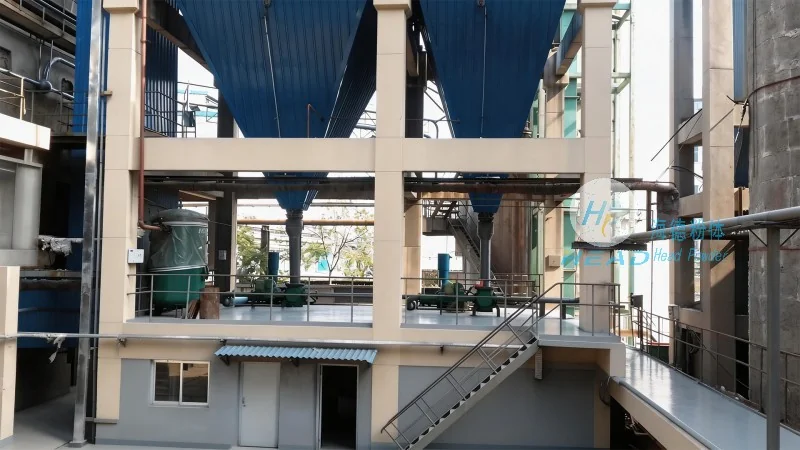
Key Considerations for Choosing the Right System
For graphite lumps, the selection of a pneumatic conveying system should be based on a thorough evaluation of the material properties, operational requirements, and cost implications. Factors such as the particle size distribution, moisture content, and abrasiveness of the graphite lumps will influence the choice between positive and negative pressure modes. Additionally, the distance between the source and destination, the number of transfer points, and the need for dust control or material containment will also play a role in the decision-making process.
It is also important to consider the maintenance and operational costs associated with each system. Positive pressure systems may require more frequent maintenance due to the higher pressure and wear on components, while negative pressure systems may have lower energy costs but higher maintenance for the vacuum pump and filtration systems.
Conclusion
Both positive and negative pressure pneumatic conveying systems offer effective solutions for transporting graphite lumps, each with its own set of advantages and limitations. Positive pressure systems are better suited for high-volume, long-distance transport, while negative pressure systems are ideal for gentle handling and short-distance applications. By understanding the specific requirements of the graphite lumps and the operational environment, industrial facilities can select the most appropriate pneumatic conveying system to ensure efficient, safe, and cost-effective material transport.




