When it comes to the efficient and safe transportation of oxide copper, pneumatic conveying systems offer a reliable solution. The choice between positive pressure and negative pressure modes significantly impacts system performance, cost, and operational safety. This article provides a detailed analysis of these two primary pneumatic conveying methods, focusing on their applications, advantages, and limitations in oxide copper handling.
Understanding Pneumatic Conveying Systems
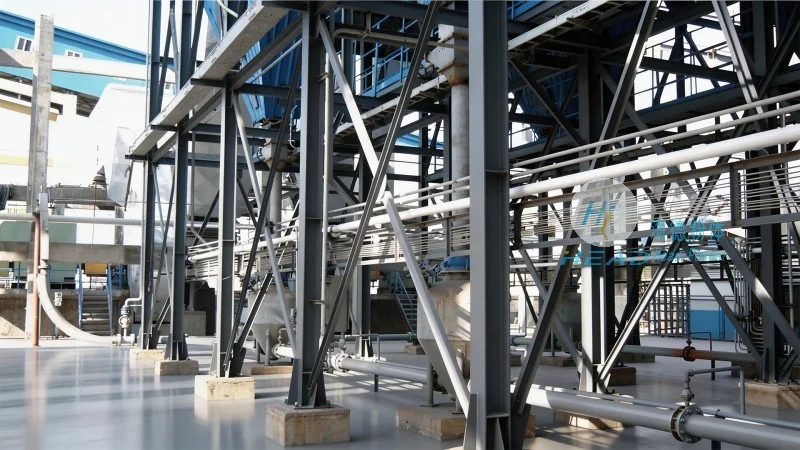
Pneumatic conveying systems utilize air or gas to transport bulk materials like oxide copper through a pipeline network. The fundamental principle involves creating a pressure differential to move the material from the source to the destination. The two main categories are positive pressure and negative pressure systems, each with distinct operational characteristics.
Positive Pressure Pneumatic Conveying
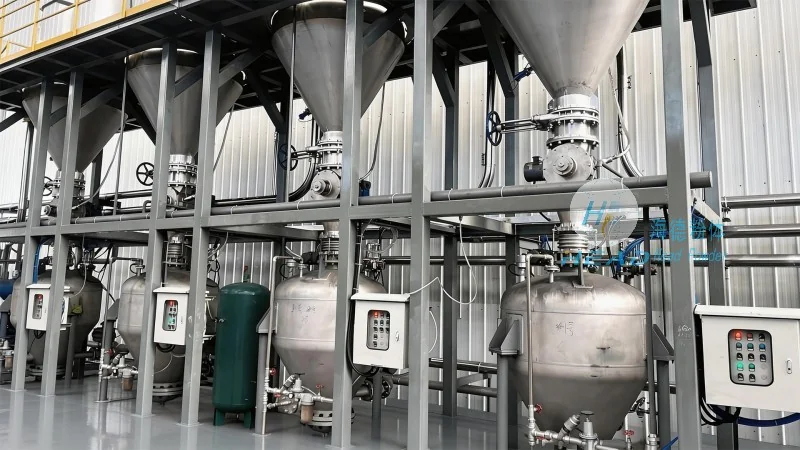
Positive pressure systems operate by blowing air or gas into the conveying line, creating a pressure higher than the ambient environment. This method is particularly effective for transporting oxide copper over long distances or through complex piping networks. The high-pressure air ensures consistent material flow and can handle abrasive or dusty materials without excessive wear on components.
Key advantages of positive pressure systems include their ability to handle high material loads, maintain consistent flow rates, and accommodate longer conveying distances. They are also suitable for applications requiring high material throughput, such as large-scale copper processing plants. However, these systems may require more robust equipment and higher energy consumption due to the need for high-pressure air generation.
Negative Pressure Pneumatic Conveying
Negative pressure systems, conversely, create a vacuum or low-pressure environment within the conveying line, drawing material from the source into the system. This approach is often preferred for shorter conveying distances or when the material is to be collected from multiple points. The vacuum helps in controlling dust emissions and can be more energy-efficient for short-distance transport.
Advantages of negative pressure systems include lower initial costs and reduced energy consumption for short-distance transport. They are also less likely to cause material spillage or environmental contamination, as the system draws material rather than pushing it. However, they may struggle with long-distance or high-volume oxide copper transport, as the vacuum can be insufficient to maintain consistent flow over extended pipelines.
Comparison and Selection Criteria
Choosing between positive and negative pressure pneumatic conveying for oxide copper depends on several factors, including the distance between the source and destination, material characteristics, system complexity, and operational budget. For instance, a plant requiring long-distance transport of large quantities of oxide copper might opt for a positive pressure system due to its superior flow control and load capacity. Conversely, a facility with multiple collection points and shorter transport needs may find negative pressure systems more suitable due to their lower energy demands and cost-effectiveness.
Additionally, the nature of oxide copper—such as its particle size, moisture content, and abrasiveness—plays a crucial role in system selection. Positive pressure systems are generally better suited for abrasive materials that could damage vacuum components, while negative pressure systems may be preferred for materials with lower dust generation or when dust control is a priority.
HeadPowder Engineering's Expertise in Oxide Copper Conveying
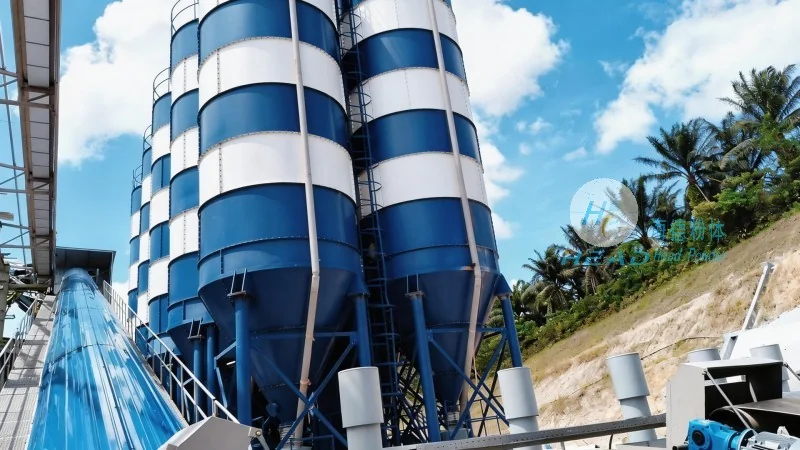
Shandong HeadPowder Engineering Co., Ltd. specializes in designing and implementing advanced pneumatic conveying solutions tailored to the unique needs of oxide copper processing. With a focus on both positive and negative pressure technologies, the company provides customized systems that optimize material transport efficiency, minimize operational costs, and ensure compliance with safety and environmental standards.
HeadPowder's engineering team conducts thorough assessments of each project, considering factors like conveying distance, material properties, and operational requirements to recommend the most appropriate system configuration. Whether a client requires a positive pressure system for long-distance transport or a negative pressure solution for short runs, the company leverages its expertise to deliver reliable, high-performance conveying systems.
The company's commitment to quality and innovation ensures that oxide copper is handled safely and efficiently, supporting the smooth operation of copper processing facilities. By integrating advanced materials and control technologies, HeadPowder's systems enhance productivity while reducing maintenance and operational expenses.




