HeadPowder, a leading provider of industrial engineering solutions, specializes in advanced air-pneumatic conveying systems tailored for the efficient handling of purified fly ash. This article delves into the technical nuances of these systems, focusing on the two primary operational modes: positive pressure and negative pressure. Understanding the differences between these modes is crucial for selecting the most suitable technology for specific industrial applications.
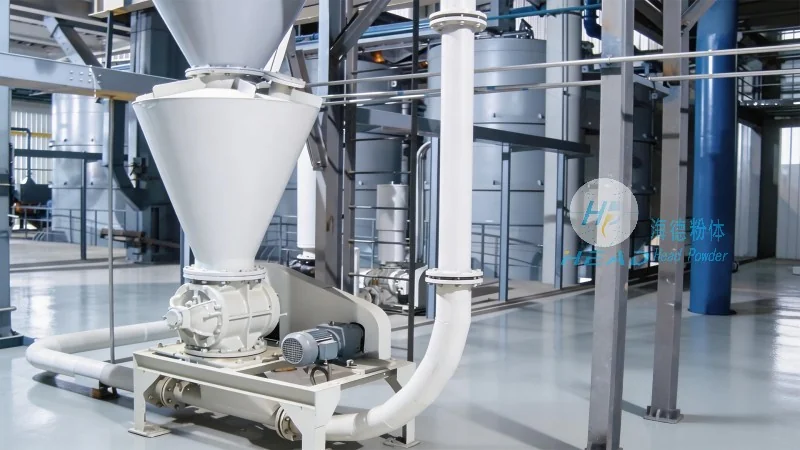
Overview of Air-Pneumatic Conveying for Fly Ash
At its core, air-pneumatic conveying is a method of transporting bulk materials, such as purified fly ash, using a stream of air. This technology offers a flexible and efficient alternative to traditional mechanical conveying methods, particularly in environments where dust control and material purity are critical. The system typically consists of a hopper, a conveyor line, and a receiver, all connected by a network of pipes. The choice of pressure mode—positive or negative—significantly impacts the system's performance, cost, and suitability for various industrial settings.
Positive Pressure Conveying: Advantages and Applications
Positive pressure conveying operates by blowing air under pressure into the conveyor line, pushing the material forward. This mode is often preferred for applications requiring high material flow rates and long-distance transport. One of the key advantages of positive pressure systems is their ability to handle abrasive or sticky materials without excessive wear on components. Additionally, positive pressure systems are generally more suitable for conveying materials in a closed loop, reducing the risk of dust emissions and environmental contamination. HeadPowder's engineering expertise ensures that positive pressure systems are designed with robust components, such as high-quality blowers and wear-resistant liners, to enhance durability and operational efficiency.
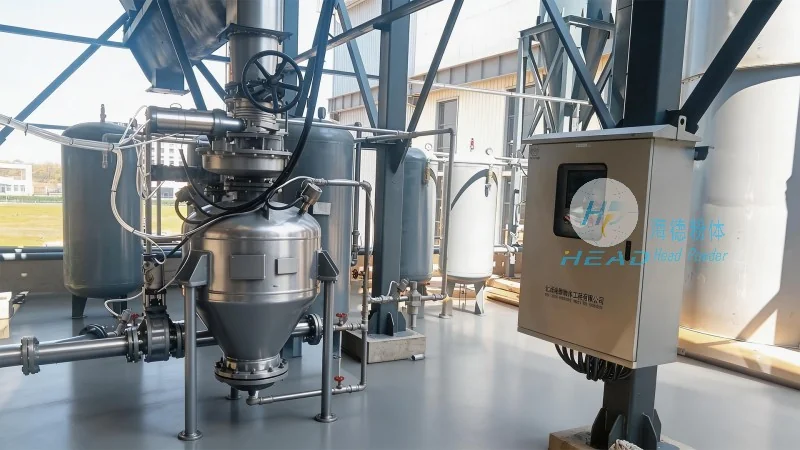
Negative Pressure Conveying: Benefits and Limitations
Negative pressure conveying, also known as suction or vacuum conveying, works by creating a vacuum in the conveyor line, drawing material from the source. This mode is ideal for applications where the material source is located at a higher elevation or where the system needs to handle fine powders that are prone to clogging. A significant benefit of negative pressure systems is their ability to capture and transport materials from multiple sources or even from open containers, making them versatile for various industrial processes. However, negative pressure systems may face challenges with material clogging, especially with high moisture content or sticky materials, which can lead to reduced efficiency and increased maintenance costs. HeadPowder addresses these challenges through specialized design features, such as pulse-jet cleaning and adjustable vacuum control, to maintain consistent performance.
Key Considerations for Choosing Between Positive and Negative Pressure Modes
The decision between positive and negative pressure conveying depends on several factors, including the material characteristics, system layout, and operational requirements. For instance, positive pressure systems are often preferred for long-distance transport over 100 meters, while negative pressure systems are more suitable for shorter distances or when the material source is elevated. Material properties, such as particle size, moisture content, and abrasiveness, also play a critical role. HeadPowder's engineers conduct thorough material analysis to determine the optimal pressure mode, ensuring that the chosen system maximizes efficiency and minimizes operational costs. Additionally, environmental regulations and dust control requirements may influence the selection, as positive pressure systems typically offer better containment and lower emissions compared to negative pressure systems.
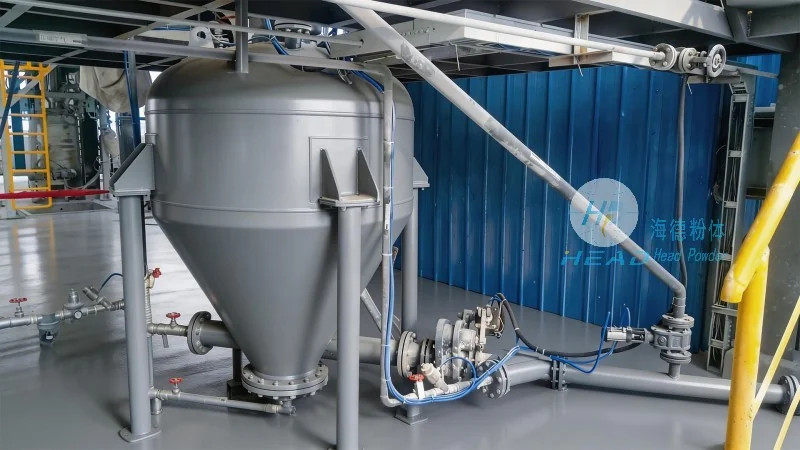
HeadPowder's Expertise in Air-Pneumatic Conveying Solutions
As a trusted partner in industrial engineering, HeadPowder, or Shandong HeadPowder Engineering Co., Ltd., based in China, provides comprehensive air-pneumatic conveying solutions tailored to the specific needs of clients. Our team of experienced engineers leverages advanced technology and industry best practices to design, manufacture, and install systems that meet the highest standards of performance and reliability. Whether you require a positive pressure system for high-volume fly ash transport or a negative pressure system for fine powder handling, HeadPowder offers customized solutions that enhance operational efficiency and reduce maintenance costs. Our commitment to quality and customer satisfaction ensures that every project is delivered on time and within budget, meeting the unique demands of your industrial application.
Conclusion: Selecting the Right Air-Pneumatic Conveying Mode
In conclusion, the choice between positive and negative pressure air-pneumatic conveying systems for purified fly ash depends on a combination of technical, operational, and environmental factors. Positive pressure systems excel in high-volume, long-distance transport with robust material handling capabilities, while negative pressure systems offer flexibility and versatility for fine powders and elevated sources. HeadPowder's expertise in designing and implementing these systems ensures that clients receive tailored solutions that optimize performance, reduce costs, and comply with industry standards. By understanding the nuances of each mode and leveraging our engineering capabilities, HeadPowder helps industrial facilities achieve efficient and reliable material transport for purified fly ash, supporting their operational goals and sustainability objectives.




