HeadPowder, a leading engineering firm based in Shandong, China, specializes in advanced material handling solutions, including air-pneumatic conveying systems for challenging materials like wet sodium nitrate. The company's expertise lies in optimizing material transport efficiency while ensuring safety and environmental compliance. This article provides a detailed analysis of the air-pneumatic conveying technology for wet sodium nitrate, focusing on the comparison between positive and negative pressure modes.
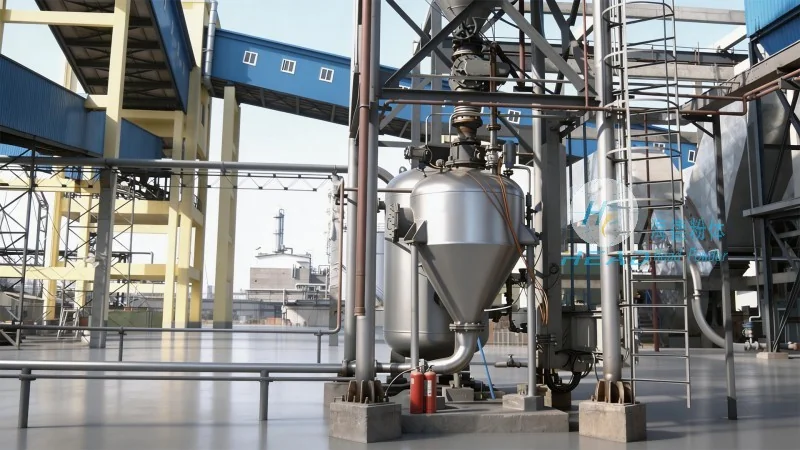
Positive Pressure Air-Pneumatic Conveying Mode
Positive pressure conveying operates by blowing air into the conveying line, creating a pressure higher than the ambient air. This method is particularly effective for transporting wet sodium nitrate, as it can handle materials with higher moisture content and abrasive properties. The system typically uses a positive displacement blower or a centrifugal fan to generate the necessary pressure. The conveying line is sealed, preventing dust and moisture from escaping into the environment. For wet sodium nitrate, positive pressure systems often incorporate additional features such as moisture control and material conditioning to ensure stable flow. The pressure differential ensures that the material is continuously moved through the pipeline, minimizing blockages and maintaining consistent throughput. HeadPowder's engineering solutions for positive pressure conveying include custom-designed blower systems, material feeders, and pipeline configurations tailored to the specific characteristics of wet sodium nitrate.
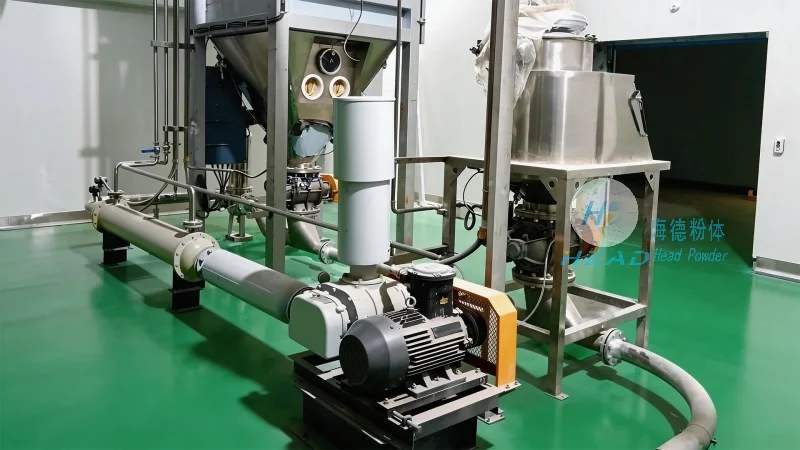
Negative Pressure Air-Pneumatic Conveying Mode
Negative pressure conveying, also known as suction conveying, works by creating a vacuum in the conveying line, drawing material into the system. This mode is suitable for applications where the material is light and dusty, but for wet sodium nitrate, it may present challenges due to the higher density and moisture content. The system uses a vacuum pump to create the negative pressure, and the material is drawn through the pipeline by the pressure difference. Negative pressure systems are generally more compact and can handle longer distances with fewer components, but they may require more maintenance and are less effective for abrasive or sticky materials like wet sodium nitrate. The vacuum environment can also lead to moisture condensation, which may affect the material's quality. HeadPowder's negative pressure solutions include high-efficiency vacuum pumps, flexible ducting, and material separation units to manage the challenges associated with wet sodium nitrate in suction conveying.
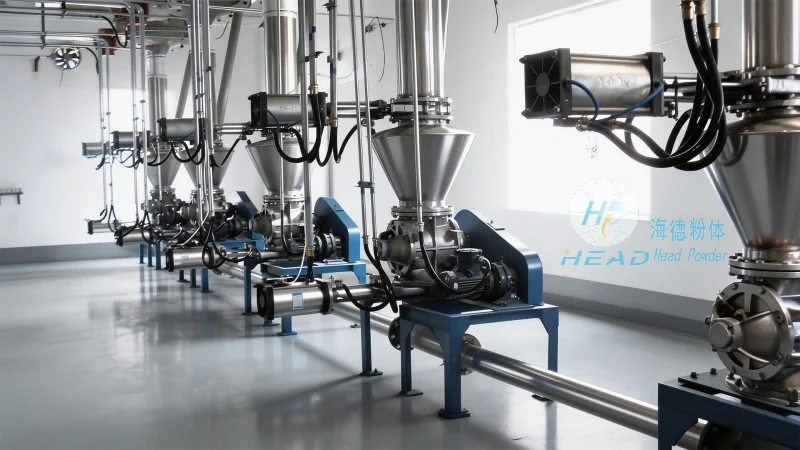
Performance Comparison Between Positive and Negative Pressure Modes
When comparing positive and negative pressure air-pneumatic conveying for wet sodium nitrate, several key performance factors come into play. Positive pressure systems generally offer higher conveying capacities and are more suitable for abrasive or sticky materials due to the higher pressure and controlled flow. They are also better at preventing material degradation from moisture exposure, as the sealed system maintains consistent conditions. On the other hand, negative pressure systems are more energy-efficient for shorter distances and can handle lighter materials with less wear on components. However, for wet sodium nitrate, the positive pressure mode often provides better control over moisture content and material flow, reducing the risk of blockages and ensuring consistent product quality. HeadPowder's technical analysis indicates that the choice between positive and negative pressure depends on the specific application requirements, including material characteristics, distance, and environmental regulations. For instance, in industrial settings where material safety and environmental protection are critical, positive pressure systems are often preferred due to their ability to contain dust and moisture effectively.
Practical Application Cases and Selection Recommendations
Real-world applications of air-pneumatic conveying for wet sodium nitrate vary based on the production scale and operational environment. In large-scale fertilizer manufacturing plants, positive pressure systems are commonly used to transport wet sodium nitrate from storage silos to processing units, ensuring high throughput and minimal downtime. The sealed pipelines and controlled pressure help maintain the material's quality and prevent contamination. In smaller-scale operations, such as chemical processing facilities, negative pressure systems may be employed for shorter conveying distances, where the energy cost is a primary consideration. However, HeadPowder recommends evaluating the long-term operational costs and maintenance requirements before making a decision. For example, a plant in Shandong, China, using HeadPowder's positive pressure system reported a 20% increase in production efficiency and a reduction in material handling time compared to traditional methods. This case study highlights the benefits of choosing the appropriate conveying mode based on specific operational needs. HeadPowder's engineering team provides customized solutions by assessing the material's properties, conveying distance, and environmental constraints to recommend the most suitable air-pneumatic conveying mode for wet sodium nitrate applications.
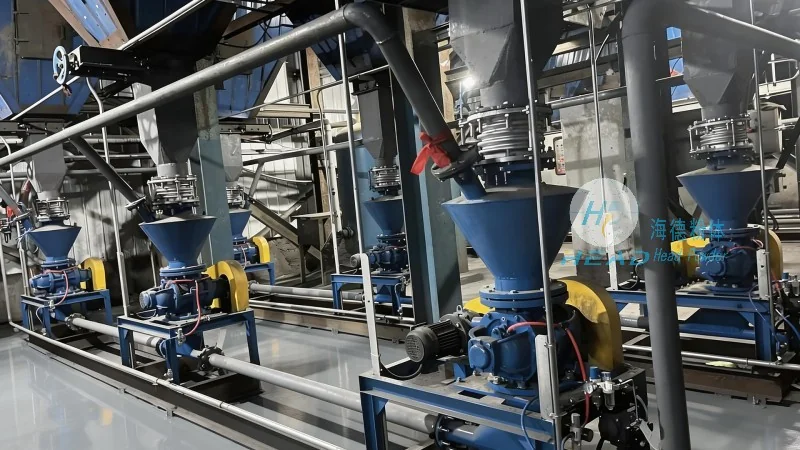
HeadPowder, with its headquarters in Shandong, China, continues to innovate in air-pneumatic conveying technology for wet sodium nitrate, offering tailored solutions that enhance material handling efficiency and safety. The company's expertise in both positive and negative pressure systems ensures that clients can select the optimal mode based on their unique requirements, contributing to improved operational performance and compliance with industry standards.




