For industries dealing with foam plastic materials, efficient and reliable material handling is crucial for maintaining production efficiency and product quality. Foam plastic material conveying systems represent a specialized solution designed to address the unique challenges associated with transporting lightweight, irregularly shaped, and often fragile foam products. These systems are engineered to ensure that foam materials move smoothly from one stage of production to another, minimizing damage and optimizing workflow. The following sections will explore the fundamental principles behind such systems and the key working scene characteristics that define their application.
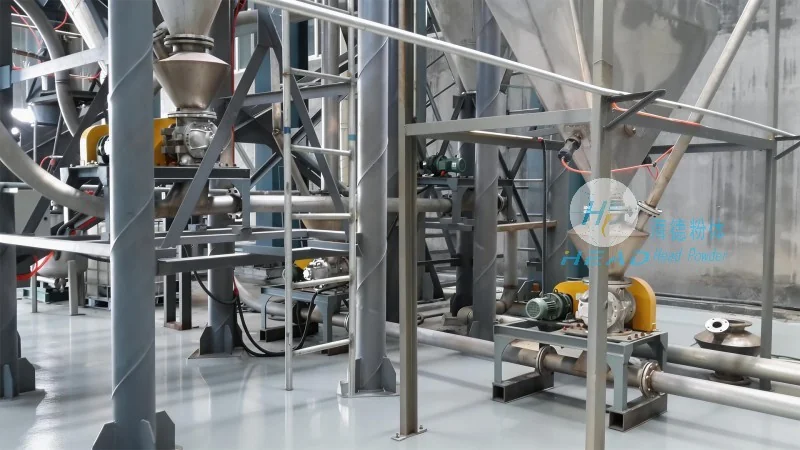
The Core Principles of Foam Plastic Material Conveying Systems
The operation of foam plastic material conveying systems is grounded in several core principles that ensure effective material transport. First, the systems are designed to handle the low density and variable density of foam plastics, which can affect traditional conveying methods. This is achieved through specialized conveyor components such as low-friction belts, flexible hoses, or air-powered systems that can accommodate the lightweight nature of the material without causing excessive pressure or deformation. Second, the systems prioritize gentleness and minimal impact during transport. Foam materials are often sensitive to abrasion, compression, or impact, and the conveying mechanisms are engineered to provide a smooth, cushioned movement. This is typically achieved through the use of soft rollers, pneumatic conveyors, or conveyor belts with protective coatings that reduce friction and prevent damage. Third, the systems incorporate control mechanisms that allow for precise speed and direction adjustments. This is essential for maintaining consistent material flow and adapting to changes in production volume or material characteristics. The integration of sensors and automated controls ensures that the conveying process is both efficient and adaptable, responding to real-time operational needs. Additionally, the systems often include features such as material sorting or orientation mechanisms, which enhance their functionality in complex production lines. These features allow for the separation of different foam types or the alignment of parts for subsequent processing, further improving operational efficiency.
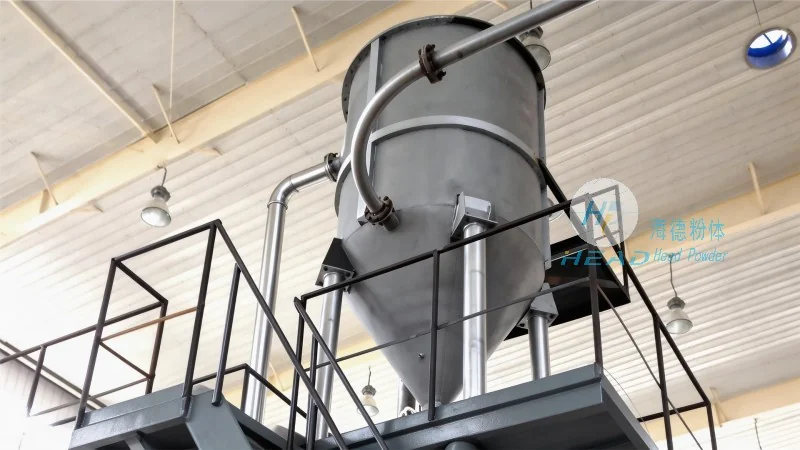
Key Working Scene Characteristics of Foam Plastic Material Conveying Systems
The application of foam plastic material conveying systems varies across different industrial settings, each with its own set of characteristics that influence system design and operation. One common working scene is in the manufacturing of insulation materials, where large volumes of foam sheets or blocks need to be moved from cutting and shaping stations to packaging or storage areas. In this scenario, the system must handle large, irregularly shaped pieces while maintaining a steady flow to avoid bottlenecks. Another typical application is in the automotive industry, where foam components for seating, interior panels, or soundproofing are transported from molding lines to assembly areas. Here, the system must accommodate the varying sizes and densities of different foam parts and integrate with existing production lines. Additionally, in packaging and shipping operations, foam plastic material conveying systems are used to move protective foam inserts or packaging materials from storage to packing stations. The working scene characteristics also include the need for cleanliness and contamination control, as foam materials are often used in food or medical applications where hygiene is critical. The systems are designed with easy-to-clean surfaces and enclosed conveyor paths to prevent dust or debris from contaminating the material. Furthermore, in high-volume production environments, the systems must be durable and low-maintenance to minimize downtime. This is achieved through robust construction materials and automated lubrication or cleaning systems that reduce the need for manual intervention. The systems may also incorporate energy-efficient designs, such as variable speed drives or regenerative braking, to reduce operational costs and environmental impact.
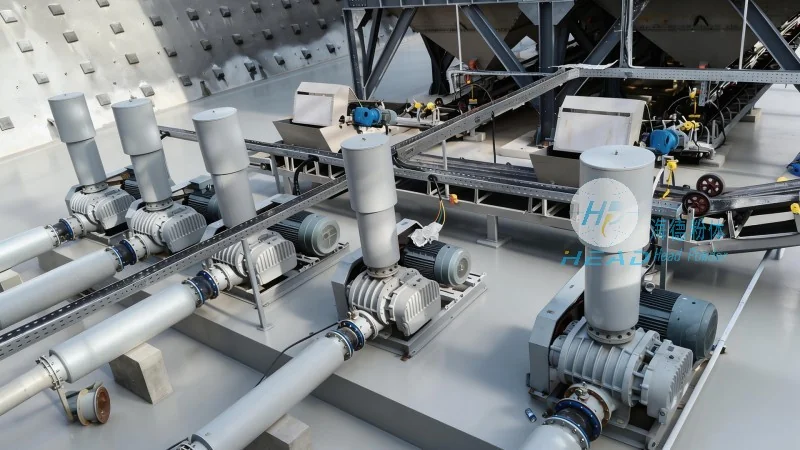
Company Overview: Shandong HeadPowder Engineering Co., Ltd.
Headpowder, a leading provider of material handling solutions, specializes in designing and manufacturing customized foam plastic material conveying systems tailored to the specific needs of various industries. With a focus on innovation and quality, the company has established itself as a trusted partner for businesses seeking reliable and efficient material transport solutions. Headpowder's team of engineers and technicians works closely with clients to understand their operational requirements and develop systems that enhance productivity while ensuring product integrity. The company's facilities are located in Shandong, China, where it leverages advanced manufacturing technologies and stringent quality control processes to deliver high-performance conveying systems. Headpowder's commitment to customer satisfaction and technical excellence has earned it a reputation for delivering solutions that meet and exceed industry standards. The company offers a range of services, including system design, installation, and after-sales support, ensuring that clients receive comprehensive assistance throughout the entire lifecycle of their conveying systems. Headpowder's expertise in foam material handling has made it a preferred choice for industries such as construction, automotive, and packaging, where the reliable transport of foam products is essential for operational success.




