Shandong HeadPowder Engineering Co., Ltd. specializes in the production and handling of expanded microspheres, a lightweight aggregate widely used in construction and industrial applications. Expanded microspheres are characterized by their low density, excellent thermal insulation, and good fire resistance, making them ideal for applications such as lightweight concrete, thermal insulation materials, and industrial fillers. The efficient handling and transportation of these materials are crucial for optimizing production processes and ensuring consistent quality in various applications. This article explores the fundamental principles behind the material handling of expanded microspheres and highlights key working scene characteristics that are essential for effective operation.
The Core Principles of Expanded Microspheres Material Handling
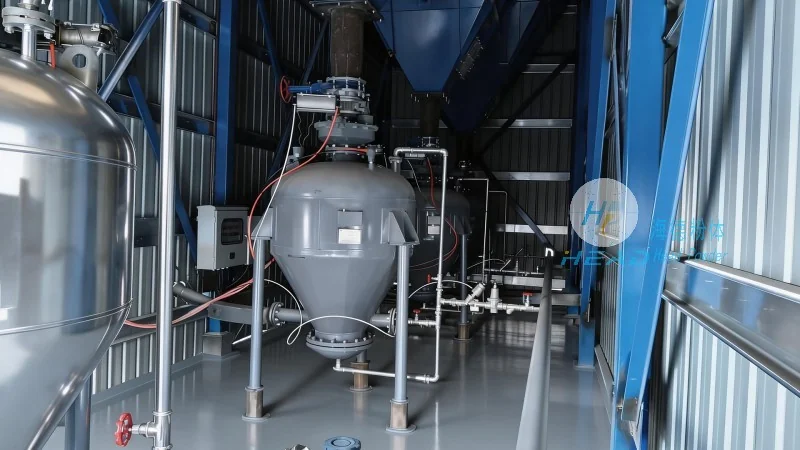
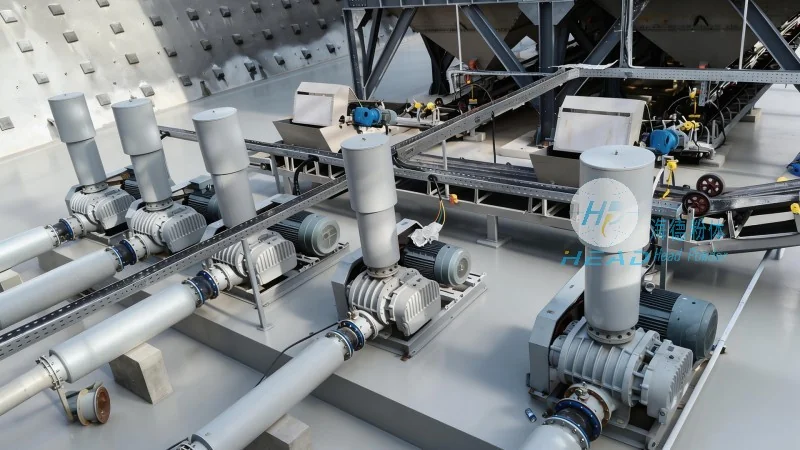
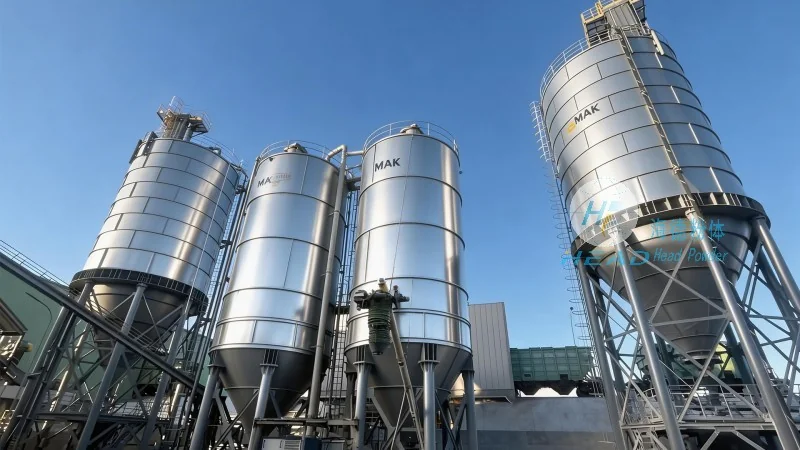
The material handling of expanded microspheres primarily involves the use of specialized equipment and processes designed to manage their lightweight and often irregular shapes. The key principles include ensuring proper flow characteristics, preventing material segregation, and maintaining consistent particle size distribution. One of the fundamental principles is the use of appropriate conveying systems, such as pneumatic conveying or mechanical conveying, which are tailored to the specific properties of expanded microspheres. Pneumatic conveying, for instance, utilizes air pressure to move the material through pipelines, which is particularly effective for handling fine or powdery materials like expanded microspheres. This method offers advantages such as low maintenance, ability to handle long distances, and minimal material degradation. However, it requires careful control of air pressure and flow rates to prevent clogging or loss of material. Mechanical conveying methods, including screw conveyors and belt conveyors, are also commonly used, especially in scenarios where continuous and high-volume material transport is required. Screw conveyors are ideal for horizontal or slightly inclined transport, providing a gentle and consistent flow. They are particularly effective for handling cohesive or fine powders, as the screw flights can help prevent material from sticking to the conveyor surface. Belt conveyors, on the other hand, are suitable for both horizontal and inclined transport, offering high capacity and low cost. The selection of the conveying system depends on factors like the material's bulk density, moisture content, the distance and layout of the handling operations, and the need for gentle handling to prevent particle breakage. The design of the handling system must also consider the need to minimize material degradation and maintain the integrity of the expanded microspheres, as these particles are sensitive to mechanical stress and can break down if not handled carefully. Proper feeding mechanisms, such as rotary valves or feeders, are essential to ensure a uniform flow rate and prevent blockages in the conveying lines. The use of vibration or air-assisted feeding can further enhance the flow characteristics of expanded microspheres, especially when dealing with cohesive or fine powders. Another critical principle is the control of material temperature and moisture during handling. Expanded microspheres are often used in applications where thermal properties are critical, and maintaining their temperature stability is important. Moisture control is also vital to prevent clumping or caking, which can affect the material's performance and handling efficiency. This is typically achieved through the use of drying systems or moisture sensors integrated into the handling process. The principles of material handling also extend to storage and silo design. Proper storage silos are designed to prevent material segregation and maintain uniform particle size distribution. The use of silos with multiple inlets or a rotating design can help ensure that the material is discharged evenly, avoiding the accumulation of larger or smaller particles at the bottom or top of the silo. The selection of silo materials, such as stainless steel or corrosion-resistant alloys, is also important to prevent contamination or degradation of the expanded microspheres. Overall, the core principles of expanded microspheres material handling revolve around the efficient and gentle transport of these lightweight aggregates while maintaining their quality and performance characteristics.
Key Working Scene Characteristics of Expanded Microspheres Material Handling
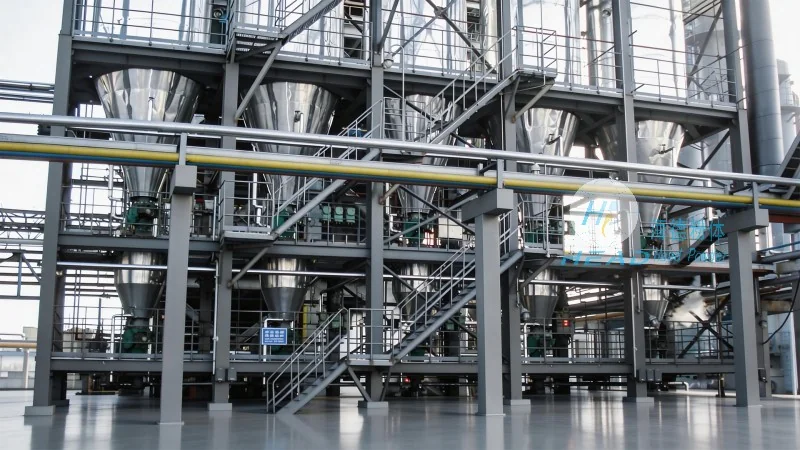
The working scene characteristics of expanded microspheres material handling vary significantly based on the specific application and operational environment. One of the primary characteristics is the need for high-volume, continuous material transport in industrial settings. For example, in the production of lightweight concrete or thermal insulation materials, large quantities of expanded microspheres are required, and the handling system must be capable of processing high flow rates without causing material degradation. The layout of the handling system is also a key characteristic, as it must be integrated with existing production lines and equipment. This often involves the use of automated conveying systems that can be integrated with control systems to optimize the flow of materials and reduce downtime. Another important characteristic is the variability in material properties. Expanded microspheres can have different particle sizes, densities, and shapes depending on the production process and application requirements. The handling system must be adaptable to these variations to ensure consistent performance. For instance, in some applications, finer expanded microspheres are preferred for better thermal insulation, while in others, larger particles are used for structural purposes. The handling system must be able to handle these different grades without causing segregation or loss of material quality. The environmental conditions of the working scene also play a significant role. In outdoor or open-air handling operations, factors such as weather and temperature fluctuations can affect the material's properties and handling efficiency. Proper shielding and climate control measures are necessary to maintain the material's quality and prevent moisture absorption or temperature changes that could impact its performance. The safety considerations in the working scene are also a critical characteristic. Expanded microspheres, while generally non-toxic, can pose dust-related hazards if not handled properly. The use of dust collection systems and proper ventilation is essential to ensure a safe working environment. Additionally, the handling equipment must be designed to prevent accidental release or spillage of the material, which can lead to environmental contamination or operational disruptions. The integration of the handling system with quality control processes is another key characteristic. In many industrial applications, the quality of expanded microspheres is closely monitored, and the handling system must be able to facilitate sampling and testing without disrupting the flow of materials. This often involves the use of sampling points or automated testing equipment integrated into the conveying line. The working scene characteristics also include the need for maintenance and operational flexibility. The handling system must be designed for easy maintenance and cleaning to prevent material buildup or contamination. Additionally, the system should be flexible enough to accommodate changes in production requirements or material specifications without significant modifications. The use of modular components and standardized interfaces can enhance the flexibility and adaptability of the handling system. Overall, the key working scene characteristics of expanded microspheres material handling are centered around the need for efficient, adaptable, and safe handling systems that can accommodate the unique properties of expanded microspheres and the specific requirements of different applications.




