Expanded clay aggregate, also known as lightweight aggregate, is widely used in construction, landscaping, and industrial applications due to its excellent thermal insulation, lightweight properties, and durability. The efficient transportation of this material from storage to processing or application sites is crucial for maintaining production efficiency and reducing operational costs. Pneumatic conveying equipment offers a reliable solution for handling expanded clay aggregate, providing a dust-free, low-maintenance method of material transport. This article explores the operation process and working principle of such equipment, highlighting its key components and the steps involved in its operation.
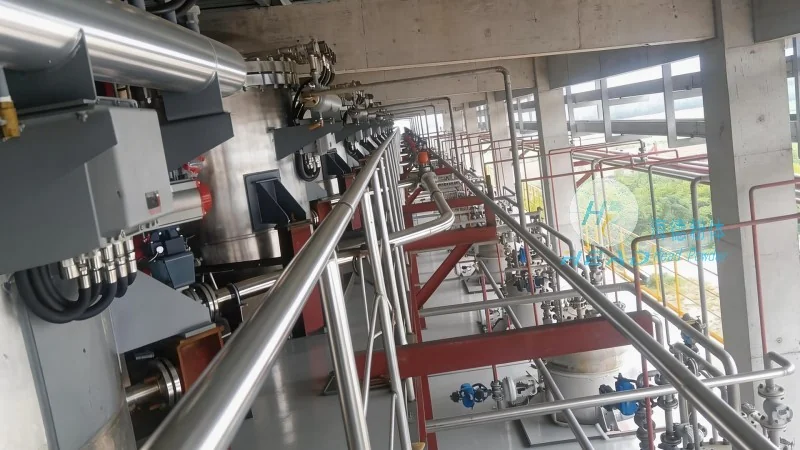
About Shandong HeadPowder Engineering Co., Ltd.
As a leading manufacturer in the field of material handling equipment, Shandong HeadPowder Engineering Co., Ltd. specializes in the design, development, and production of advanced pneumatic conveying systems. With a strong commitment to quality and innovation, the company has built a reputation for delivering high-performance equipment tailored to the specific needs of various industries. HeadPowder's expertise lies in creating customized solutions that optimize material flow, enhance safety, and improve overall operational efficiency. The company's facilities are located in Shandong, China, where state-of-the-art technology and rigorous quality control ensure that each product meets the highest industry standards.
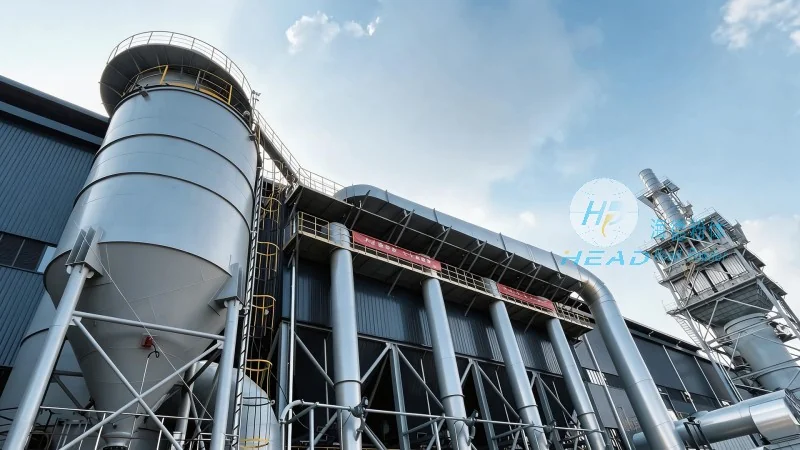
Key Components of Pneumatic Conveying Equipment for Expanded Clay Aggregate
The pneumatic conveying system for expanded clay aggregate typically consists of several critical components that work in tandem to ensure smooth and efficient material transport. The main parts include the hopper or feeder, the air compressor or blower, the conveying pipeline, the separation or cyclone unit, and the discharge outlet. Each component plays a vital role in the overall operation of the system. The hopper is responsible for storing and feeding the expanded clay aggregate into the system, ensuring a consistent flow of material. The air compressor or blower generates the necessary air pressure to move the material through the pipeline. The conveying pipeline, often made of durable materials like stainless steel or PVC, transports the material and air mixture from the feeder to the separation unit. The separation unit, such as a cyclone or filter, separates the expanded clay aggregate from the air, allowing the material to be discharged into the target container or processing area. The discharge outlet controls the release of the material, preventing backflow and ensuring accurate delivery.
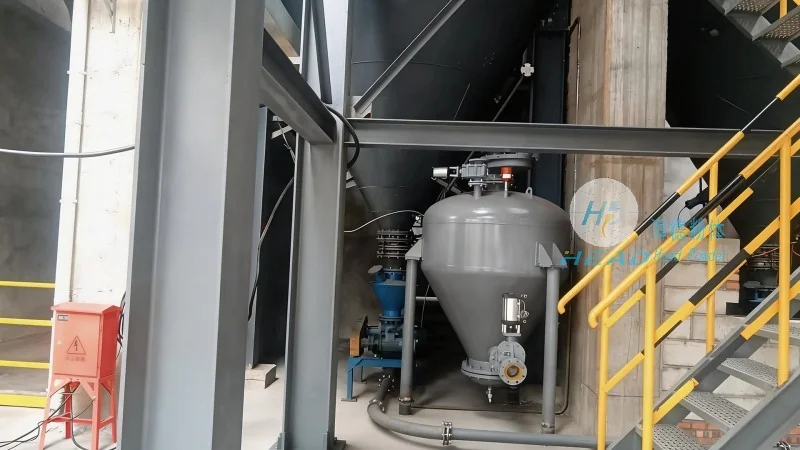
Operation Process of Expanded Clay Aggregate Pneumatic Conveying Equipment
The operation of the expanded clay aggregate pneumatic conveying equipment follows a systematic process that ensures the material is transported safely and efficiently. The process begins with the loading of expanded clay aggregate into the hopper. The feeder then regulates the flow of material into the system, maintaining a consistent feed rate. Simultaneously, the air compressor or blower starts operating, generating the required air pressure. The air and material mixture is then introduced into the conveying pipeline, where the material is carried by the air flow. As the mixture reaches the separation unit, the air is separated from the expanded clay aggregate. The cyclone or filter captures the material, which is then discharged into the designated container. The air, now free of material particles, is either vented to the atmosphere or recycled back into the system, depending on the design. The entire process is automated, with sensors and controls monitoring the flow rate, pressure, and other parameters to ensure optimal performance. This automated operation minimizes human intervention, reduces the risk of accidents, and maintains consistent material delivery.
Working Principle of the Pneumatic Conveying System
The working principle of the pneumatic conveying equipment for expanded clay aggregate is based on the principles of fluid dynamics and particle transport. The system operates by creating a pressure differential between the feeder and the discharge point, which drives the material through the pipeline. The air compressor or blower provides the necessary pressure to overcome the resistance of the pipeline and the weight of the material. The velocity of the air flow is critical; it must be sufficient to lift and transport the expanded clay aggregate particles without causing excessive wear or damage to the equipment. The separation unit, such as a cyclone, uses centrifugal force to separate the material from the air. As the air and material mixture enters the cyclone, the heavier particles are forced to the wall and fall to the bottom, while the lighter air is discharged through the top. This separation process ensures that the expanded clay aggregate is collected efficiently and without contamination. The system's design, including the size of the pipeline, the angle of the bends, and the type of separation unit, is optimized to minimize energy consumption and maximize material throughput. By understanding the working principle, operators can better maintain the equipment, troubleshoot issues, and optimize performance for different applications.
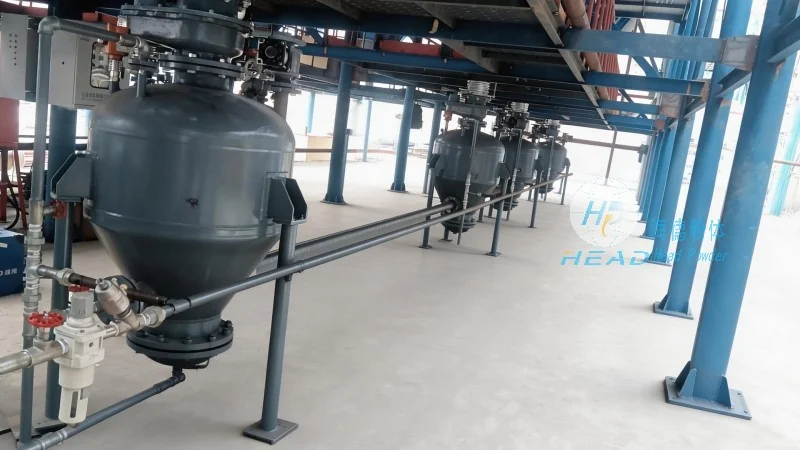
Benefits of Using Pneumatic Conveying Equipment for Expanded Clay Aggregate
Implementing pneumatic conveying equipment for expanded clay aggregate offers numerous benefits that enhance operational efficiency and product quality. One of the primary advantages is the ability to transport material in a dust-free environment, which improves workplace safety and reduces the risk of respiratory issues for operators. Unlike traditional belt or bucket elevators, pneumatic systems do not generate dust clouds, making them ideal for handling lightweight aggregates that are prone to airborne particles. Another key benefit is the low maintenance requirement. The absence of moving parts in the pipeline reduces wear and tear, leading to lower maintenance costs and longer equipment lifespan. Additionally, pneumatic conveying systems are highly flexible, allowing for easy integration with existing production lines and the ability to transport material over long distances without the need for multiple transfer points. The system's ability to handle varying material flow rates and particle sizes makes it suitable for a wide range of applications, from small-scale construction projects to large industrial operations. By leveraging the benefits of pneumatic conveying, companies can improve their overall productivity, reduce operational costs, and enhance the quality of their final products.




