Hydrogen sulfide (H₂S) is a highly toxic and corrosive gas commonly encountered in industrial processes, particularly in the oil and gas, petrochemical, and mining sectors. The safe and efficient handling of H₂S is critical for industrial operations, and pneumatic conveying systems offer a reliable solution for transporting this hazardous material. This article provides an in-depth look at the operation process and working principle of hydrogen sulfide pneumatic conveying equipment, highlighting the key components, operational steps, and technical considerations involved in its effective use.
Overview of Hydrogen Sulfide Pneumatic Conveying Equipment
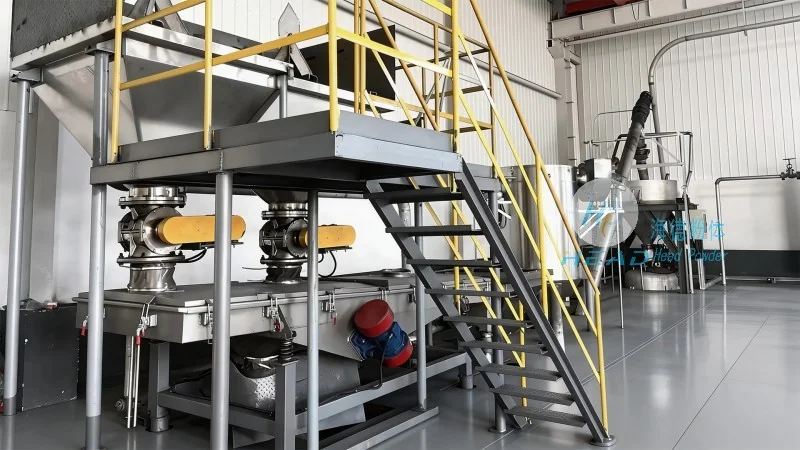
Hydrogen sulfide pneumatic conveying equipment is designed to transport H₂S gas and its associated particulate matter through a closed system using air or other carrier gases. The system typically consists of several key components, including a feed hopper, a gas distributor, a conveying line, and a receiver. These components work in tandem to ensure the safe and efficient movement of H₂S from its source to the destination, minimizing exposure risks for personnel and preventing environmental contamination.
Key Components and Their Functions
The performance of hydrogen sulfide pneumatic conveying equipment relies on the proper functioning of its core components. The feed hopper is responsible for storing and feeding the H₂S material into the system, while the gas distributor injects the carrier gas (usually air or nitrogen) to create a flow that propels the material through the conveying line. The conveying line, often made of corrosion-resistant materials such as stainless steel or special alloys, ensures the safe transport of H₂S, as the gas is highly corrosive and can damage standard materials. The receiver collects the conveyed material and may include filtration systems to remove any residual particles or gas, ensuring compliance with safety and environmental regulations.
The Operation Process: Step-by-Step
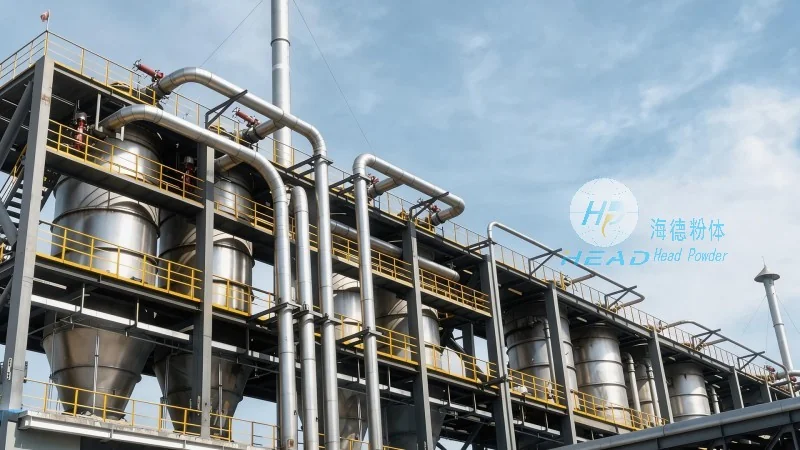
The operation of hydrogen sulfide pneumatic conveying equipment follows a systematic process to ensure safety and efficiency. The steps typically include: (1) Preparing the system: This involves checking the integrity of all components, ensuring proper gas pressure and flow rates, and verifying that all safety protocols are in place. (2) Starting the feed: The feed hopper is activated to release the H₂S material into the system, while the carrier gas is introduced to create the conveying flow. (3) Conveying the material: The carrier gas propels the H₂S particles through the conveying line at a controlled velocity, ensuring minimal pressure drop and optimal transport efficiency. (4) Receiving and processing: The material is collected in the receiver, where it may undergo further processing or storage. (5) Shutting down: The system is safely shut down by reducing gas flow, stopping the feed, and venting any residual gas to a safe disposal system.
Working Principle: How It Works
The working principle of hydrogen sulfide pneumatic conveying equipment is based on the principles of fluid dynamics and particle transport. The system operates by creating a high-velocity gas stream that entrains the H₂S particles, lifting them from the feed hopper and moving them through the conveying line. The carrier gas provides the necessary momentum to overcome the gravitational force acting on the particles, ensuring they remain suspended and transported efficiently. The pressure drop along the conveying line is carefully managed to maintain the required flow rate and prevent blockages or excessive energy consumption. Advanced systems may also incorporate features such as pulse jet technology or variable speed drives to optimize performance and reduce operational costs.
Technical Considerations and Safety Measures
When operating hydrogen sulfide pneumatic conveying equipment, several technical considerations and safety measures are essential to prevent accidents and ensure compliance with regulations. First, the equipment must be constructed from materials that are resistant to H₂S corrosion, such as 316L stainless steel or specialized alloys, to extend its lifespan and maintain structural integrity. Second, proper ventilation and gas detection systems are required to monitor H₂S levels and alert personnel in case of leaks or overexposure. Third, the system should be equipped with emergency shut-off valves and pressure relief devices to prevent overpressure situations. Additionally, regular maintenance and inspection are crucial to identify and address any potential issues before they lead to system failure or safety hazards.
Applications and Benefits
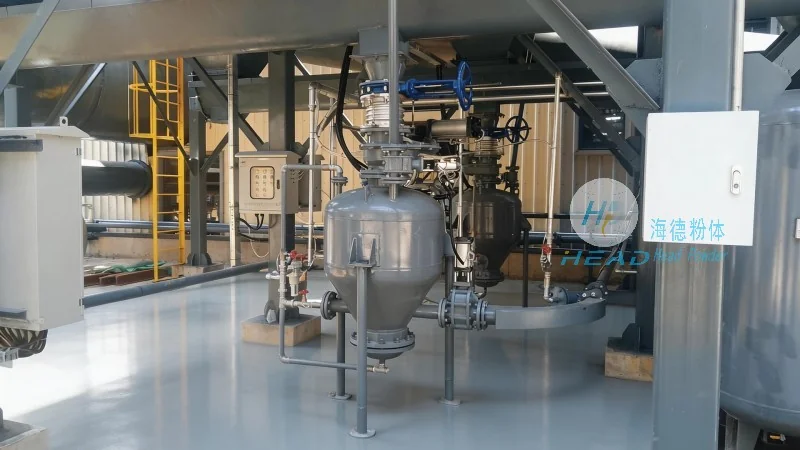
Hydrogen sulfide pneumatic conveying equipment is widely used in various industrial applications where the safe transport of H₂S is necessary. These applications include oil and gas processing plants, petrochemical facilities, mining operations, and waste management sites. The benefits of using pneumatic conveying systems for H₂S include: (1) Reduced risk of exposure to toxic gases, as the material is contained within a closed system. (2) Increased efficiency and speed compared to traditional methods like truck or rail transport. (3) Lower operational costs due to reduced labor and energy consumption. (4) Improved safety and environmental compliance through proper material handling and waste management.
Conclusion
Hydrogen sulfide pneumatic conveying equipment is a critical component in the safe and efficient handling of H₂S in industrial settings. By understanding the operation process and working principle of this equipment, operators can ensure optimal performance, minimize risks, and comply with regulatory requirements. The technology continues to evolve, with advancements in materials, control systems, and energy efficiency, making it an increasingly important solution for industries dealing with hazardous materials. As a leading provider of such equipment, Shandong HeadPowder Engineering Co., Ltd. specializes in designing and manufacturing high-quality hydrogen sulfide pneumatic conveying systems tailored to the specific needs of industrial clients, ensuring reliable and safe operation in demanding environments.




