Automatic feeding pneumatic conveying equipment represents a sophisticated solution in material handling, designed to efficiently transport bulk materials from one location to another. This technology is widely adopted in various industries, including chemical, food processing, and pharmaceuticals, due to its ability to handle a wide range of materials with minimal contamination and high efficiency. The equipment operates by using air as the conveying medium, which is compressed and directed through a pipeline system to move materials. Understanding the operation process and working principle of such equipment is crucial for optimizing its performance and ensuring reliable material transport.
Key Components of the System
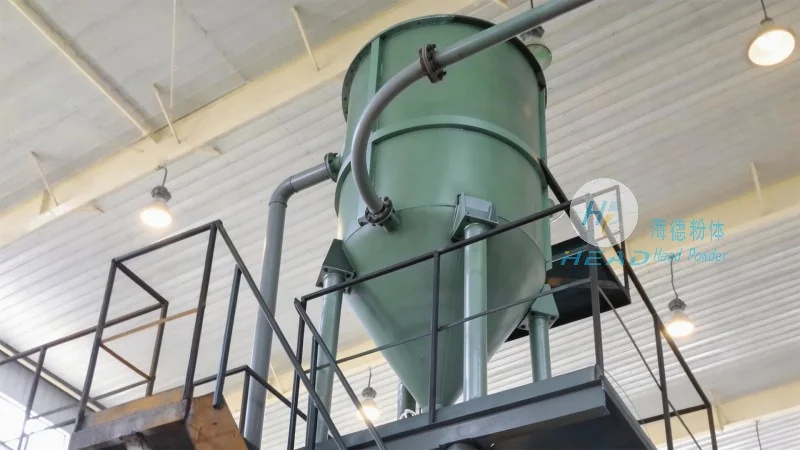
The automatic feeding pneumatic conveying system typically consists of several key components that work in tandem to achieve effective material transport. These components include a feeder, a blower or air compressor, a conveying pipeline, a separator or filter, and a discharge device. The feeder is responsible for feeding the material into the system at a controlled rate, ensuring a consistent flow. The blower generates the necessary air pressure to move the material through the pipeline. The conveying pipeline is designed to withstand the pressure and material flow, often made from materials like stainless steel or plastic. The separator or filter is used to separate the material from the air at the end of the conveying process, while the discharge device collects the material for further processing. Each component plays a vital role in the overall operation, and their proper integration is essential for the system's efficiency.
Operation Process of the Automatic Feeding System
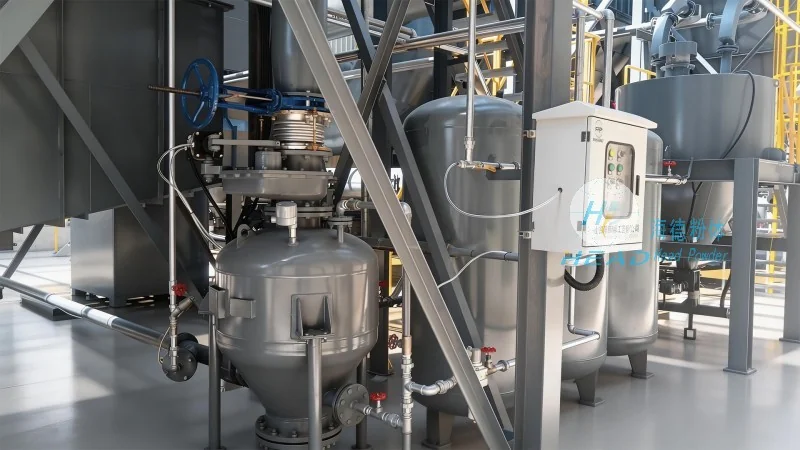
The operation process of an automatic feeding pneumatic conveying system involves several sequential steps that ensure smooth and continuous material transport. The process begins with the material being fed into the system by the feeder. The feeder can be adjusted to control the feed rate, which is crucial for maintaining a stable material flow. Once the material is introduced, the blower starts operating, generating a high-pressure air stream. This air stream is then directed into the conveying pipeline, where it picks up the material particles and carries them along the pipeline. The material is transported through the pipeline to the discharge point, where the separator or filter is located. At the separator, the material is separated from the air, often using a cyclone or bag filter, and collected in a hopper or container. The air, now free of material particles, is then vented or recirculated back into the system, depending on the design. This cycle repeats continuously as long as the system is operational, providing a steady supply of material to the processing area.
Working Principle of Pneumatic Conveying
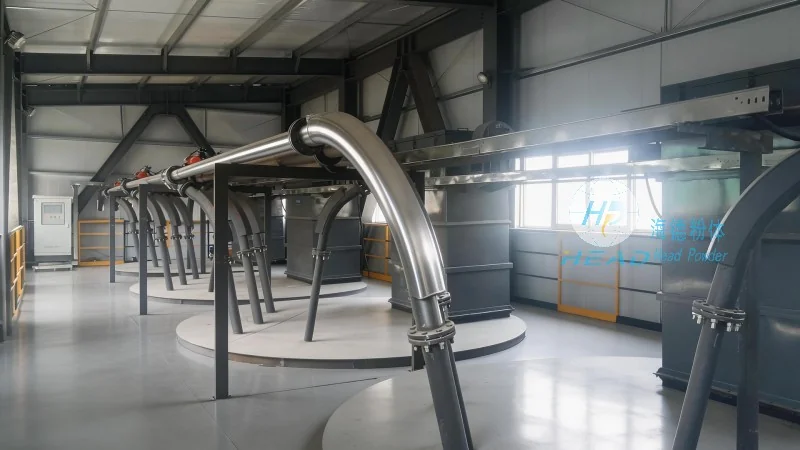
The working principle of pneumatic conveying relies on the interaction between the material and the air stream. In a pressure system, the blower creates a high-pressure air flow that pushes the material particles through the pipeline. The material is suspended in the air stream and transported as a slurry or dilute phase flow. The velocity of the air is critical; it must be sufficient to overcome the gravitational forces acting on the material particles and maintain their suspension. The design of the pipeline, including its diameter and length, also affects the conveying efficiency. In a vacuum system, the blower creates a low-pressure environment that draws the material into the pipeline. The material is then carried by the air stream to the discharge point. Both pressure and vacuum systems have their advantages and are chosen based on the specific application and material characteristics. The automatic feeding mechanism ensures that the material is introduced at a consistent rate, which helps maintain the optimal air velocity and prevents blockages or uneven flow.
Advantages of Automatic Feeding Pneumatic Conveying
Automatic feeding pneumatic conveying equipment offers several advantages over traditional material handling methods. One of the primary benefits is the ability to handle materials that are difficult to transport using conventional methods, such as powders, granules, and fine particles. The system provides a closed-loop operation, which minimizes dust and contamination, making it suitable for industries with strict hygiene requirements, such as food and pharmaceuticals. Additionally, the equipment can be easily integrated into existing production lines, reducing the need for extensive modifications. The automated feeding process ensures that the material is introduced at a consistent rate, which improves process control and reduces the risk of human error. The system also offers flexibility in terms of material handling, as it can transport materials over long distances and through multiple points. Furthermore, the use of air as the conveying medium reduces the wear and tear on equipment compared to mechanical conveyors, leading to lower maintenance costs and longer equipment life.
Applications in Various Industries
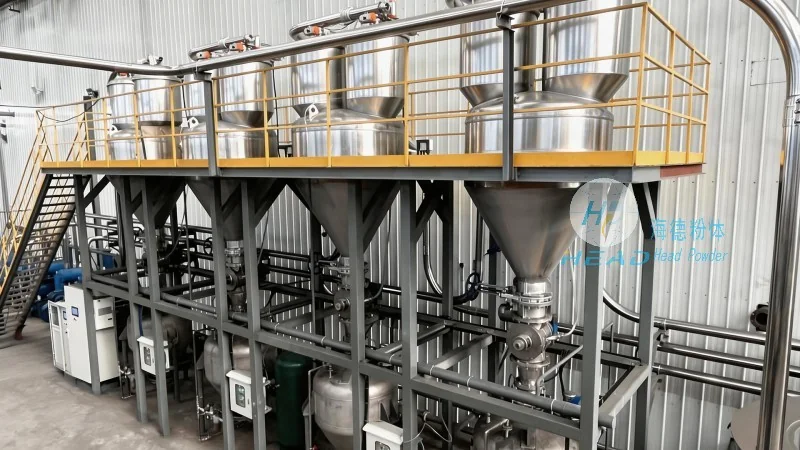
The versatility of automatic feeding pneumatic conveying equipment makes it applicable across a wide range of industries. In the chemical industry, it is used to transport raw materials and finished products, such as powders and granules. The system's ability to handle corrosive materials is enhanced by using stainless steel components, ensuring durability and safety. In the food processing industry, the equipment is used to transport ingredients like flour, sugar, and spices, maintaining the quality and hygiene of the products. The closed-loop design and filter systems prevent cross-contamination, which is critical in food processing. In the pharmaceutical industry, the equipment is used to transport active pharmaceutical ingredients (APIs) and excipients, ensuring that the materials are handled under sterile conditions. The automated feeding process and precise control over material flow help maintain the purity and consistency of the pharmaceutical products. In the agricultural industry, the equipment is used to transport grain and other agricultural products, improving the efficiency of storage and processing operations. The system's ability to handle large volumes of material makes it ideal for agricultural applications.




