Understanding the principles and operational characteristics of biomass powder material handling is crucial for optimizing industrial processes in various sectors. This article explores the fundamental mechanisms behind the efficient transport of biomass powders, alongside the specific working environments where such systems are applied. By examining these aspects, we can gain insights into how advanced material handling solutions enhance productivity and reliability in biomass processing applications, with a focus on the expertise of Shandong HeadPowder Engineering Co., Ltd., a prominent provider in the field.
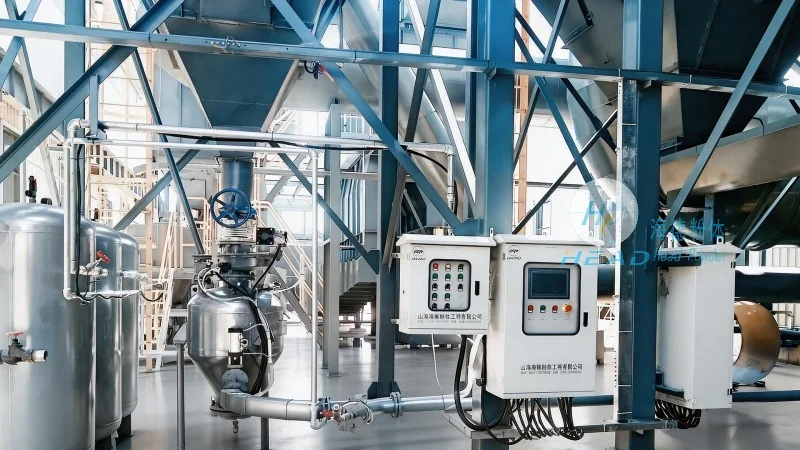
Introduction to Biomass Powder Material Handling
Biomass powders, derived from organic materials such as agricultural residues, wood chips, and other renewable resources, are widely used in energy production, biofuel manufacturing, and chemical processing. The efficient transport of these powders is essential to ensure smooth operations and maintain consistent quality in production lines. Material handling systems designed for biomass powders must address unique challenges, including variable particle size, moisture content, and flow characteristics, which can impact system performance and equipment longevity.
Core Principles of Biomass Powder Transport
The primary principle behind biomass powder material handling is the utilization of mechanical forces to move powders from one location to another. This involves a combination of gravitational, pneumatic, and mechanical methods, each tailored to the specific properties of the biomass material. For instance, pneumatic conveying systems use air pressure to transport powders through pipelines, while mechanical systems like screw conveyors and belt conveyors rely on rotational motion to push or pull materials. The choice of method depends on factors such as the material's bulk density, dustiness, and the distance over which the material needs to be transported.
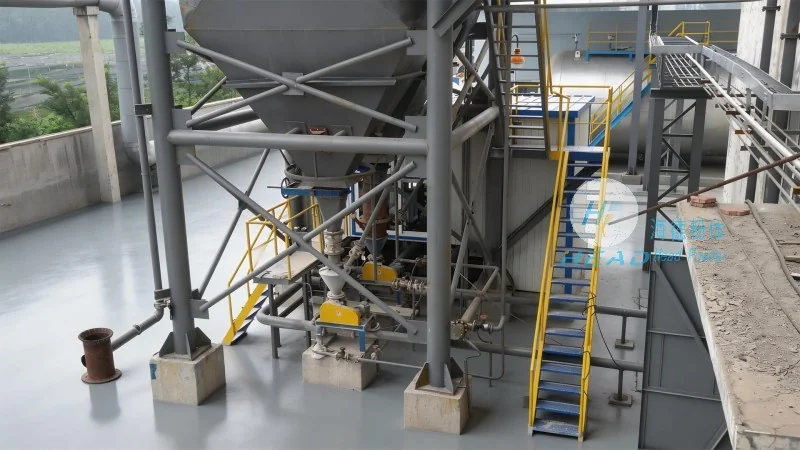
Working Scene Characteristics of Biomass Powder Handling Systems
The working scenes where biomass powder handling systems are deployed vary significantly based on the application and scale of operations. In large-scale industrial facilities, such as biomass power plants or biofuel refineries, these systems are integrated into complex production lines that require high throughput and continuous operation. The working environment often involves high temperatures, humidity, and dust, necessitating robust equipment designed to withstand harsh conditions. Additionally, the systems must be compatible with downstream processes, such as grinding, drying, or combustion, ensuring seamless material flow from one stage to the next.
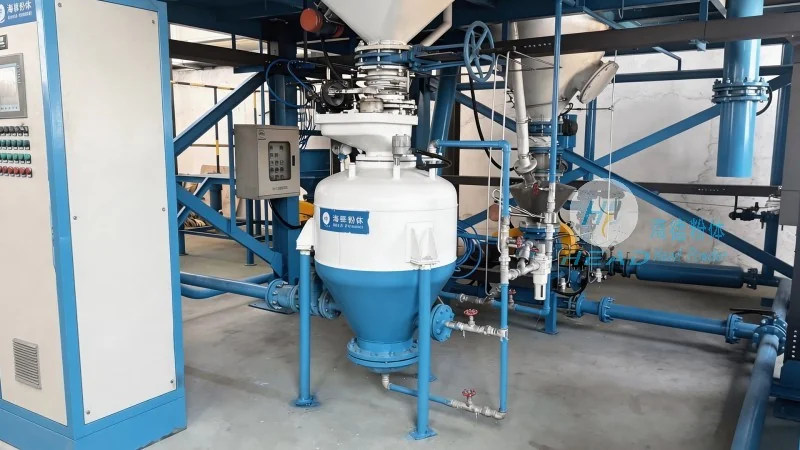
Key Factors Influencing Material Handling Performance
Several key factors influence the effectiveness of biomass powder handling systems. The particle size distribution and moisture content of the biomass directly affect the flowability and conveyability of the material. Coarser particles may require higher air pressure in pneumatic systems, while fine powders can lead to clogging in mechanical conveyors. The system's design, including pipeline diameter, inclination, and the use of additives like lubricants or anti-caking agents, plays a critical role in maintaining consistent material flow. Furthermore, the integration of sensors and control systems allows for real-time monitoring of flow rates, pressure, and temperature, enabling proactive maintenance and process optimization.
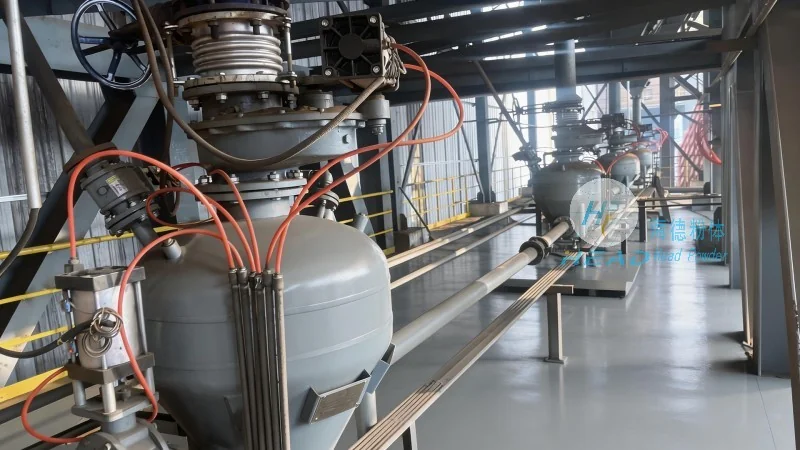
Applications and Industry Impact
Biomass powder handling systems are integral to various industries, including renewable energy, agriculture, and chemical manufacturing. In the renewable energy sector, these systems facilitate the transport of biomass feedstock to power plants, where it is converted into electricity or heat. In agricultural applications, they help in processing crop residues into biofuels or animal feed. The efficiency of material handling directly impacts the overall cost and sustainability of biomass-based processes, making it a critical component of modern industrial operations.
Conclusion and Future Directions
In conclusion, the principles and working scene characteristics of biomass powder material handling are essential for optimizing industrial processes. By understanding the unique challenges posed by biomass materials and employing advanced material handling technologies, industries can enhance productivity, reduce operational costs, and contribute to sustainable energy solutions. As the demand for renewable resources grows, the development of more efficient and reliable material handling systems will continue to be a key focus in the biomass processing industry.




