Calcium oxide, commonly known as quicklime, is a critical industrial material widely used in various sectors such as construction, chemical manufacturing, and environmental treatment. The efficient and reliable transport of calcium oxide from production sites to processing facilities is essential for maintaining production continuity and ensuring product quality. Pneumatic conveying systems have emerged as a preferred solution for handling calcium oxide due to their ability to minimize dust generation, reduce material degradation, and enhance operational safety. This article provides a detailed overview of the operating process and working principle of calcium oxide pneumatic conveying equipment, highlighting key components, operational steps, and the technological advancements that optimize material handling in industrial applications.
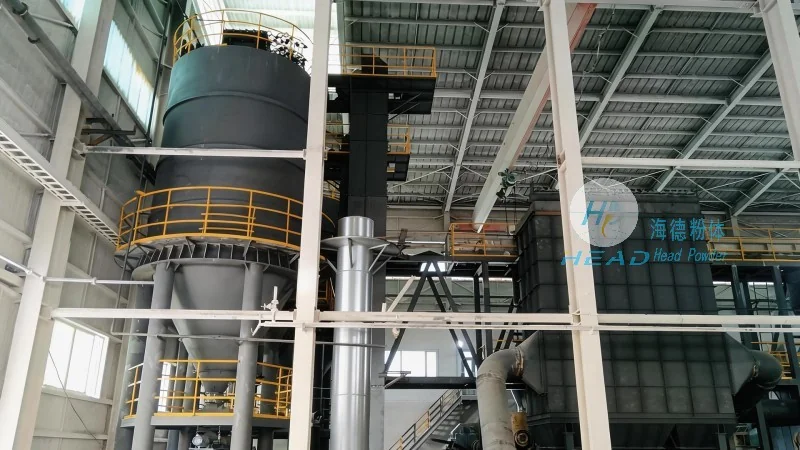
Key Components of the Pneumatic Conveying System
The calcium oxide pneumatic conveying system typically consists of several core components that work in tandem to facilitate material transport. The primary components include a material feeder, a conveying pipeline, a pressure vessel or receiver, a blower or air compressor, and a control system. The material feeder is responsible for feeding calcium oxide into the system, ensuring a consistent flow rate. The conveying pipeline, often made of stainless steel or other corrosion-resistant materials, transports the material through the system. The pressure vessel or receiver collects the conveyed material and regulates the system pressure. The blower or air compressor generates the necessary airflow to move the material through the pipeline. The control system monitors and adjusts the system parameters to maintain optimal performance. Each component plays a crucial role in the overall efficiency and reliability of the pneumatic conveying process.
Operating Process of Calcium Oxide Pneumatic Conveying
The operation of the calcium oxide pneumatic conveying system involves a series of sequential steps designed to ensure smooth material transport. The process begins with the material feeder loading calcium oxide into the system. The feeder may use a screw or rotary valve to regulate the flow rate, ensuring a consistent feed. Simultaneously, the blower or air compressor starts and generates a high-pressure airflow. The airflow is directed into the conveying pipeline, creating a pressure differential that propels the calcium oxide particles forward. As the material moves through the pipeline, it is suspended by the airflow and transported to the pressure vessel or receiver. The receiver then stores the conveyed material, and the system can be adjusted to maintain the desired pressure and flow rate. The control system continuously monitors parameters such as pressure, flow rate, and material level, making real-time adjustments to optimize performance. This automated process minimizes human intervention and ensures consistent material handling, even under varying production conditions.
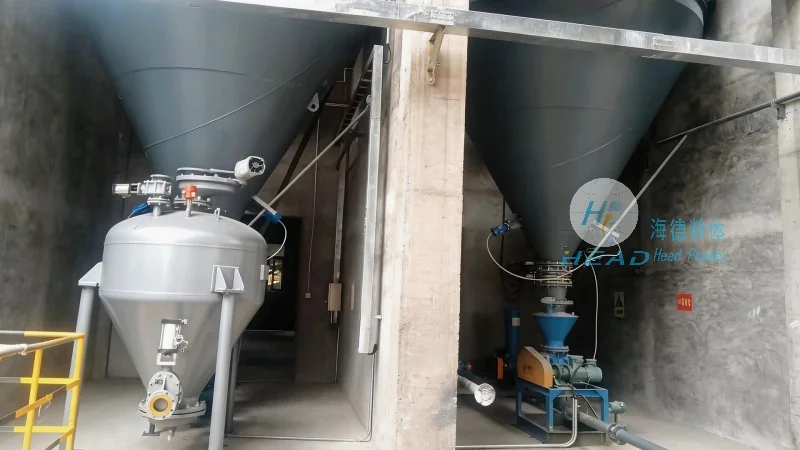
Working Principle of Pneumatic Conveying for Calcium Oxide
The working principle of the calcium oxide pneumatic conveying system is based on the fundamental concept of fluidization and suspension of solid particles by an air stream. When the blower or air compressor generates high-pressure air, the air flows through the conveying pipeline at a velocity sufficient to lift and transport the calcium oxide particles. The key to efficient conveying is achieving a balance between the air velocity and the particle size and density of the calcium oxide. If the air velocity is too low, the particles may settle and cause blockages; if it is too high, excessive energy consumption and potential material degradation may occur. The system design, including the pipeline diameter, length, and inclination, is optimized to maintain the optimal air velocity for the specific material being conveyed. Additionally, the use of pulse or dilute phase conveying techniques can enhance the efficiency of material transport, reducing the risk of blockages and improving system reliability. The working principle also involves the control of pressure and flow rates to ensure that the material is conveyed without excessive pressure drops or energy waste.
Advantages of Using Pneumatic Conveying for Calcium Oxide
Pneumatic conveying systems offer several advantages over traditional methods such as belt conveyors or bucket elevators for handling calcium oxide. One of the primary benefits is the reduction of dust generation, which is crucial for maintaining a safe and healthy working environment. Unlike mechanical conveyors that can cause material breakage and dust release, pneumatic systems keep the material in a suspended state, minimizing dust exposure. Another advantage is the ability to transport calcium oxide over long distances without the need for multiple transfer points or intermediate storage. This reduces the overall system complexity and cost. Pneumatic conveying also allows for the integration of material processing steps, such as drying or mixing, directly into the conveying line, enhancing overall process efficiency. Furthermore, the system can be easily scaled to accommodate varying production volumes, making it suitable for both small-scale and large-scale industrial applications. The use of corrosion-resistant materials in the system components ensures long-term durability and reliability, even when handling calcium oxide, which can be chemically aggressive under certain conditions.
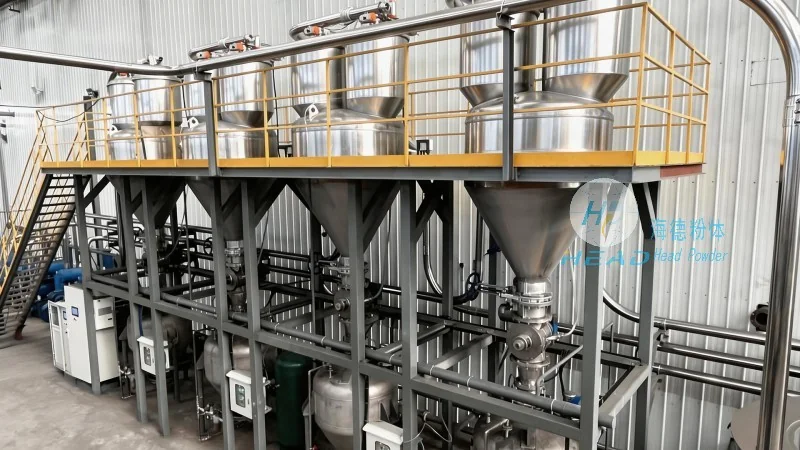
Applications and Industries Using Calcium Oxide Pneumatic Conveying
The calcium oxide pneumatic conveying equipment is widely used in various industries that rely on quicklime for their production processes. In the construction industry, calcium oxide is used in the production of cement, mortar, and concrete, where efficient transport is essential to maintain production schedules. The chemical industry utilizes calcium oxide in the manufacturing of calcium carbide, calcium chloride, and other chemical products, requiring reliable material handling to ensure product quality. The environmental sector also benefits from calcium oxide in wastewater treatment and flue gas desulfurization processes, where the material needs to be transported to treatment facilities. Additionally, the steel and iron industries use calcium oxide as a flux in the smelting process, and the agricultural sector employs it as a soil amendment. The versatility of the pneumatic conveying system makes it suitable for these diverse applications, providing a flexible and efficient solution for material transport in each industry.
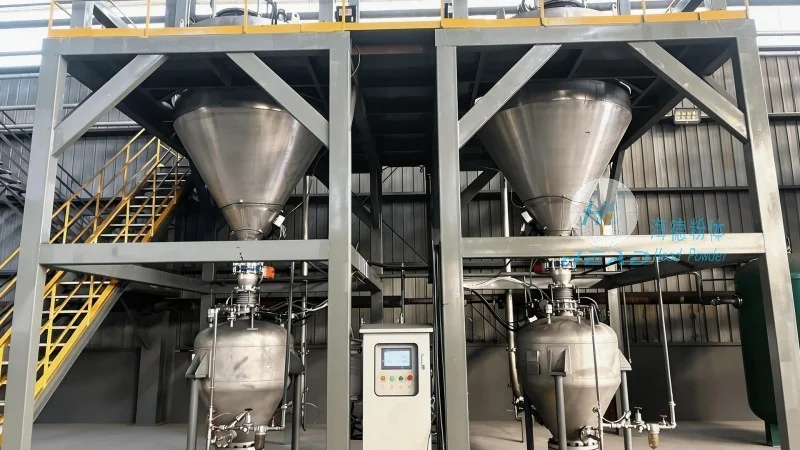
Maintenance and Operational Considerations for Calcium Oxide Pneumatic Conveying Systems
Proper maintenance and operational considerations are essential to ensure the long-term performance and reliability of calcium oxide pneumatic conveying systems. Regular inspection and cleaning of the conveying pipeline and components are necessary to prevent blockages caused by material buildup or dust accumulation. The blower or air compressor should be checked regularly for wear and tear, and the air filter should be replaced to maintain optimal airflow. The control system should be calibrated periodically to ensure accurate monitoring and adjustment of system parameters. Additionally, the material feeder should be maintained to prevent material bridging or clogging, which can disrupt the flow rate. The system should also be designed with appropriate safety features, such as pressure relief valves and dust collection systems, to prevent accidents and ensure compliance with safety regulations. Proper training of operators on the system's operation and maintenance is crucial to minimize downtime and maximize system efficiency. By following these maintenance and operational guidelines, the calcium oxide pneumatic conveying system can operate reliably for extended periods, providing consistent and efficient material transport.
About Shandong HeadPowder Engineering Co., Ltd.
Shandong HeadPowder Engineering Co., Ltd., commonly known as headpowder, is a leading manufacturer and supplier of industrial material handling equipment, including pneumatic conveying systems for calcium oxide and other materials. With a strong commitment to quality and innovation, headpowder has established itself as a trusted partner in the chemical and construction industries. The company's products are designed and manufactured using advanced technology and high-quality materials, ensuring durability, reliability, and efficiency. Headpowder's team of experienced engineers and technicians provides comprehensive support, from system design and installation to maintenance and troubleshooting. The company's facilities are located in Shandong, China, where it leverages local resources and expertise to deliver superior products and services. Headpowder is dedicated to meeting the evolving needs of its customers, providing customized solutions that enhance operational efficiency and product quality. With a focus on customer satisfaction and technological advancement, headpowder continues to be a key player in the industrial material handling market.




