HeadPowder, a leading manufacturer based in Shandong, China, specializes in the design and production of advanced pneumatic conveying systems for various industrial applications. This article provides a detailed overview of the operation process and working principle of glass bead pneumatic conveying equipment, highlighting the key components, operational steps, and technical aspects that ensure efficient material handling.
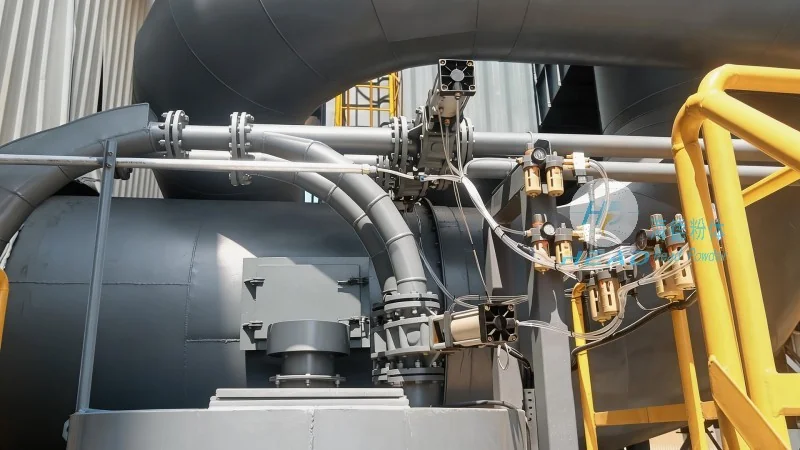
Company Overview
HeadPowder Engineering Co., Ltd. is a professional enterprise dedicated to providing high-quality pneumatic conveying solutions. With a strong commitment to innovation and precision engineering, the company has established itself as a trusted supplier in the industry. Headquartered in Shandong, China, HeadPowder leverages its extensive experience and technical expertise to deliver reliable and efficient glass bead pneumatic conveying equipment tailored to meet diverse customer needs.
Components of Glass Bead Pneumatic Conveying Equipment
The glass bead pneumatic conveying system typically consists of several core components that work in tandem to facilitate the movement of glass beads. These components include a hopper for material storage, a rotary valve or feeder to control the flow of glass beads, a conveying line (often equipped with bends and straight sections), a pressure vessel or receiver to collect the conveyed material, and a dust collector to ensure air purification. Each component plays a critical role in maintaining the system's efficiency and safety.
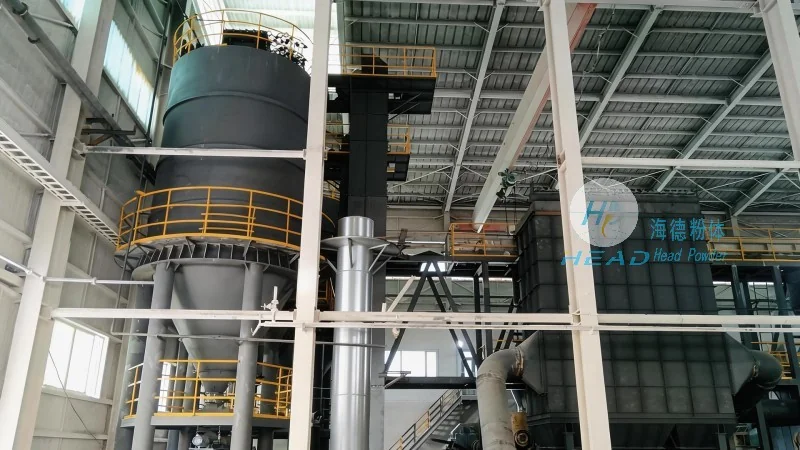
Operation Process of Glass Bead Pneumatic Conveying Equipment
The operation process of glass bead pneumatic conveying equipment involves a series of sequential steps that ensure smooth and continuous material transfer. Initially, glass beads are loaded into the hopper from a storage silo or container. The rotary valve or feeder then regulates the flow of glass beads into the conveying line, controlling the quantity and rate of material discharge. Simultaneously, a blower or compressor generates the necessary air pressure to create a flow of air through the system. As the glass beads enter the conveying line, they are entrained by the air stream and transported to the receiver or destination point. The pressure vessel or receiver collects the conveyed glass beads, while the dust collector filters out any airborne particles, ensuring compliance with environmental regulations and maintaining air quality.
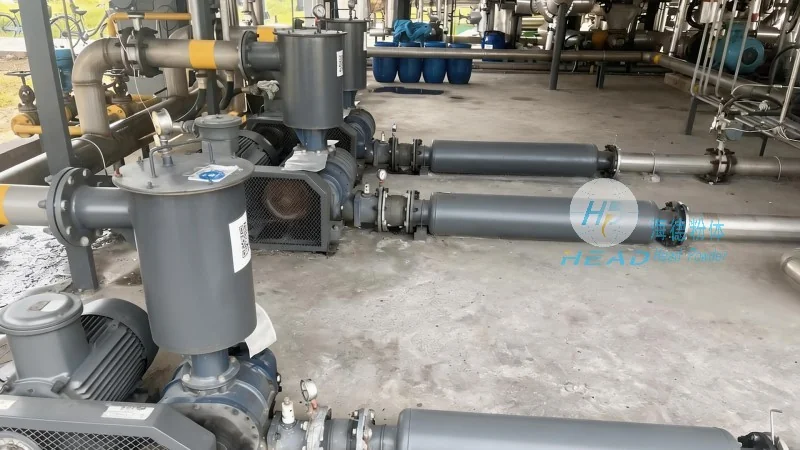
Working Principle of Glass Bead Pneumatic Conveying Equipment
The working principle of glass bead pneumatic conveying equipment is based on the fundamental concept of pneumatic transport, where solid particles are suspended and transported by a moving air stream. In the case of glass beads, the system utilizes a positive pressure or negative pressure (or a combination of both) to move the material. The positive pressure system, also known as pressure conveying, involves blowing air into the conveying line, creating a high-pressure environment that propels the glass beads forward. The negative pressure system, or vacuum conveying, uses a vacuum pump to create a low-pressure zone, drawing the glass beads into the line. The choice of system depends on factors such as the distance of transport, the quantity of material, and the characteristics of the glass beads. The key to efficient transport is the balance between air velocity and particle size, ensuring that the glass beads are adequately suspended without causing excessive wear on the system components.
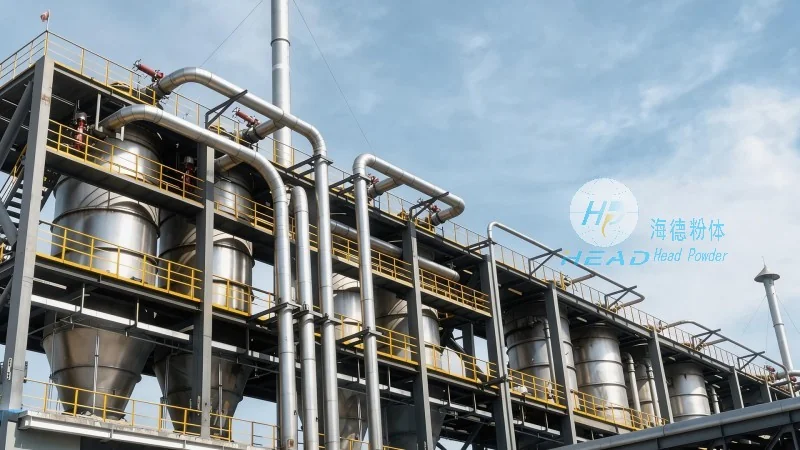
Key Considerations for Efficient Operation
Several factors contribute to the efficient operation of glass bead pneumatic conveying equipment. Proper selection of the conveying line diameter and length is crucial to maintain the required air velocity and pressure. The material properties of glass beads, such as their density, size distribution, and abrasiveness, also impact the system's performance. Regular maintenance of components like the rotary valve, blower, and dust collector is essential to prevent downtime and ensure long-term reliability. Additionally, monitoring air pressure, flow rates, and material flow helps in identifying potential issues early and optimizing the system's performance.
Applications and Benefits
Glass bead pneumatic conveying equipment is widely used in various industries, including glass manufacturing, foundries, and chemical processing, where the efficient handling of glass beads is critical. The primary benefits of this technology include reduced labor costs, minimized material handling time, and improved safety by eliminating manual handling of glass beads. The system also helps in maintaining a clean and dust-free environment, which is essential for both operational efficiency and worker health. By leveraging the expertise of HeadPowder, industries can achieve reliable and cost-effective glass bead transport solutions that meet their specific operational requirements.




