Principles and Working Scene Characteristics of Desulfurization and Dust Removal Ash Material Convey
Release time:2026-09-19 09:01:31
name of the company:Shandong Headpowder Engineering Co., Ltd.
telephone:156-6277-7102
contacts:Zhang manager
Desulfurization and dust removal ash material conveying is a critical process in industrial facilities, particularly in power plants and other industrial operations that rely on combustion processes. The efficient handling of ash and dust from flue gas treatment systems is essential for maintaining operational efficiency, environmental compliance, and overall plant safety. This article explores the fundamental principles behind ash material conveying systems and highlights the key characteristics of various working scenes where such systems are applied, with a focus on solutions provided by Shandong HeadPowder Engineering Co., Ltd., located in Shandong, China.
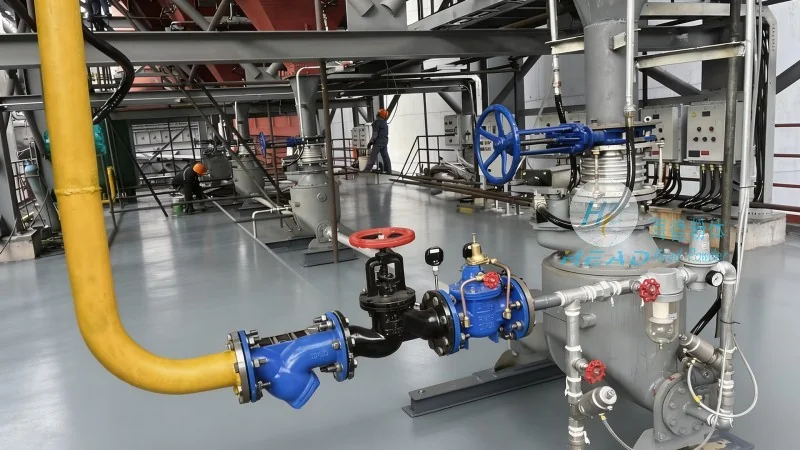
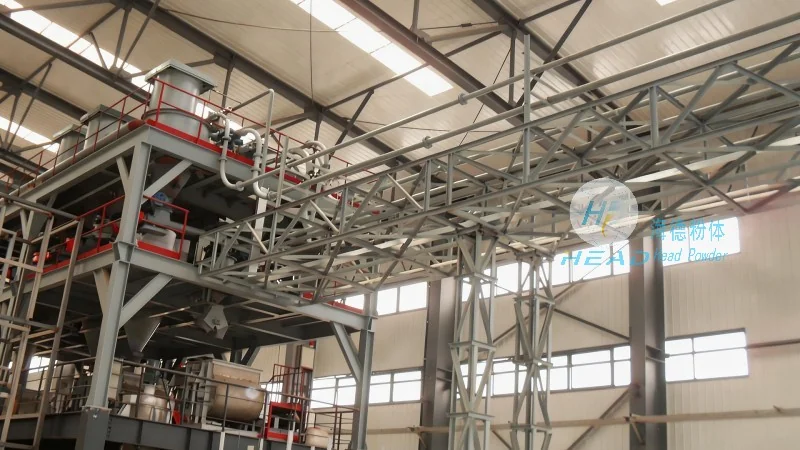
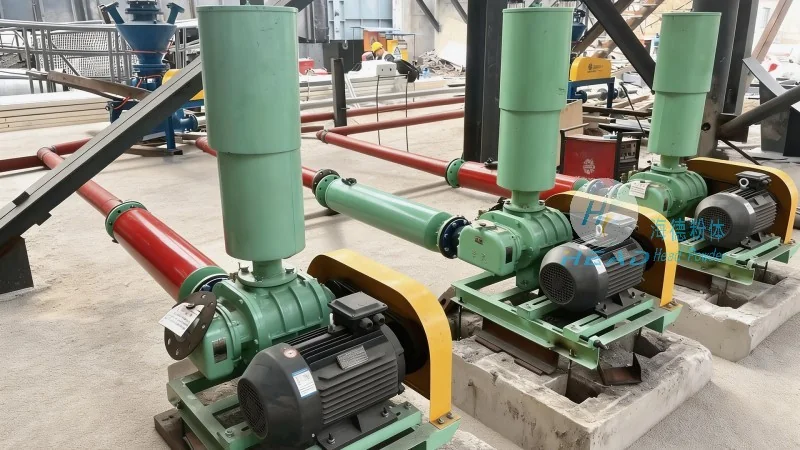
Overview of Desulfurization and Dust Removal Ash Material Conveying Systems
The core of ash material conveying systems involves the transport of fine particulate matter, typically generated from flue gas desulfurization (FGD) and dust removal processes. These systems are designed to move ash from its point of generation to disposal or reutilization sites. The primary components of such systems include ash hoppers, conveyors (such as screw conveyors, belt conveyors, or pneumatic conveying systems), and control mechanisms that ensure smooth and continuous operation. The choice of conveying method depends on factors like ash characteristics, distance to be covered, and the required handling capacity. Shandong HeadPowder Engineering Co., Ltd. specializes in designing and implementing customized conveying solutions tailored to the specific needs of industrial clients, ensuring optimal performance and reliability.
Principles of Material Conveying in Desulfurization and Dust Removal
The fundamental principle of ash material conveying is to provide a reliable and efficient means of transporting dry or slightly moist ash without causing blockages or system failures. Key principles include: ensuring proper moisture content to prevent clumping or caking; maintaining consistent flow rates to avoid surges or stoppages; and using appropriate equipment that can handle the abrasive nature of ash particles. For example, screw conveyors are commonly used for horizontal or slight incline transport due to their ability to handle dry materials and their compact design. Belt conveyors, on the other hand, are suitable for longer distances and larger volumes, offering high throughput and durability. Pneumatic conveying systems, utilizing air pressure to transport ash as a slurry or dry powder, are ideal for applications requiring flexibility in layout and minimal maintenance. These principles are central to the design of effective ash conveying systems, which are critical for maintaining plant efficiency and environmental standards.




