Denitrization fly ash, as a byproduct from flue gas desulfurization and denitrification processes in thermal power plants, requires efficient and reliable handling systems. The pneumatic conveying equipment designed for this application by Shandong HeadPowder Engineering Co., Ltd. offers a sophisticated solution to transport fly ash from the denitrification system to storage or disposal facilities. This equipment is engineered to ensure minimal environmental impact and high operational efficiency, aligning with modern industrial standards for waste management.
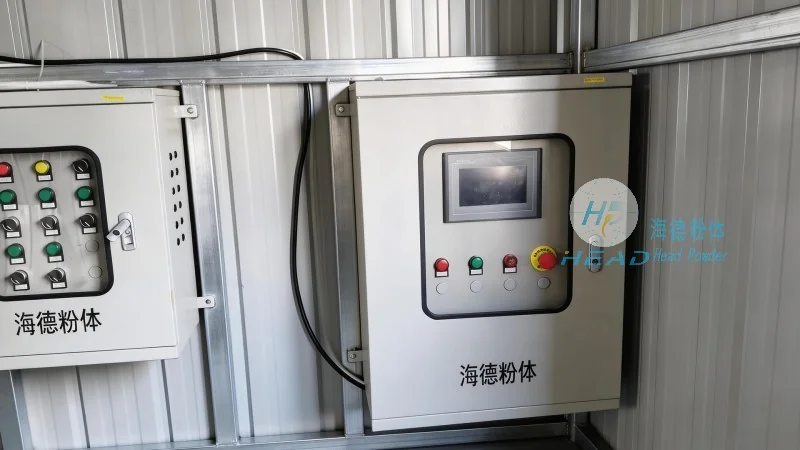
Working Principle of the Pneumatic Conveying System
The core of the denitrization fly ash pneumatic conveying system is the air-driven mechanism that transports solid particles through a pipeline using compressed air. The system typically consists of a hopper for ash storage, a rotary valve for controlled discharge, a pipeline network, and a receiver for the final discharge. The process begins when ash accumulates in the hopper, and the rotary valve opens to allow a controlled flow of ash into the pipeline. Compressed air is then introduced at the inlet of the pipeline, creating a high-velocity air stream that entrains the fly ash particles. This air-particle mixture travels through the pipeline under pressure, reaching the receiver where the air is separated from the ash, and the ash is deposited into the designated container. The system operates on the principle of fluidization, where the air flow ensures that the ash particles are suspended and transported without clogging the pipeline.
Key Components and Their Functions
Several critical components contribute to the effective operation of the denitrization fly ash pneumatic conveying equipment. The ash hopper serves as the primary storage vessel, designed with a sloped bottom to facilitate gravity-assisted discharge. The rotary valve, often a star valve or slide valve, regulates the flow rate of ash into the pipeline, preventing overloading and ensuring a steady feed. The pipeline network is constructed from corrosion-resistant materials, such as stainless steel or coated carbon steel, to withstand the abrasive nature of fly ash and the potential presence of acidic gases from the denitrification process. The compressed air system, including a blower or compressor, provides the necessary pressure and volume of air to maintain the conveying velocity. The receiver, equipped with a dust collection system, separates the air from the ash, capturing fine particles to prevent emissions and ensuring compliance with environmental regulations.
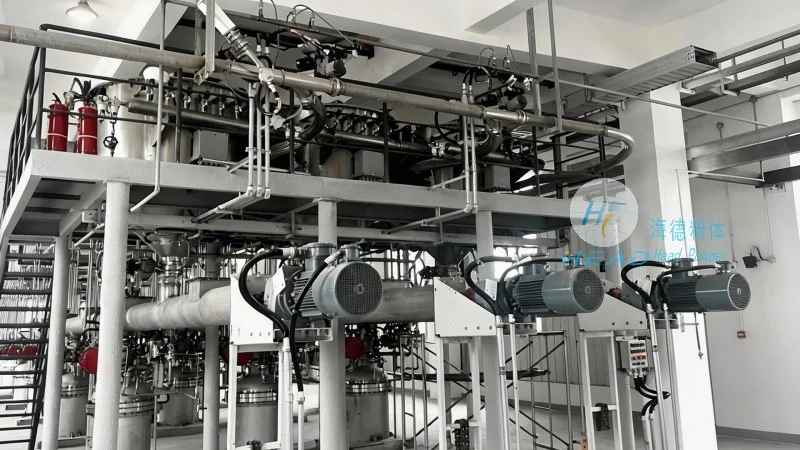
Operation Process Flow
The operational flow of the denitrization fly ash pneumatic conveying system is as follows: 1. Ash collection: Fly ash from the denitrification unit is collected in the ash hopper. 2. Feeding: The rotary valve opens, allowing ash to flow into the pipeline under gravity. 3. Conveying: Compressed air is introduced at the inlet, creating a high-velocity air stream that entrains the ash particles. 4. Transport: The air-ash mixture travels through the pipeline to the receiver. 5. Separation: In the receiver, the air is filtered and discharged, while the ash is collected in a container. 6. Disposal: The collected ash is transported to the designated disposal site. This process is automated to minimize human intervention, ensuring consistent performance and reducing the risk of operational errors.
Advantages of Using Pneumatic Conveying for Denitrization Fly Ash
Compared to traditional methods like belt conveyors or bucket elevators, pneumatic conveying offers several advantages for handling denitrization fly ash. Firstly, it eliminates the need for mechanical contact with the ash, reducing wear and tear on equipment and extending service life. Secondly, the system is less prone to clogging due to the continuous air flow, which helps maintain consistent conveying rates. Thirdly, it provides better environmental control, as the enclosed pipeline prevents dust emissions and the receiver captures fine particles. Additionally, the system is compact and can be integrated into existing plant layouts, saving space and reducing installation costs. These benefits make pneumatic conveying an ideal solution for modern power plants seeking to optimize their fly ash management processes.
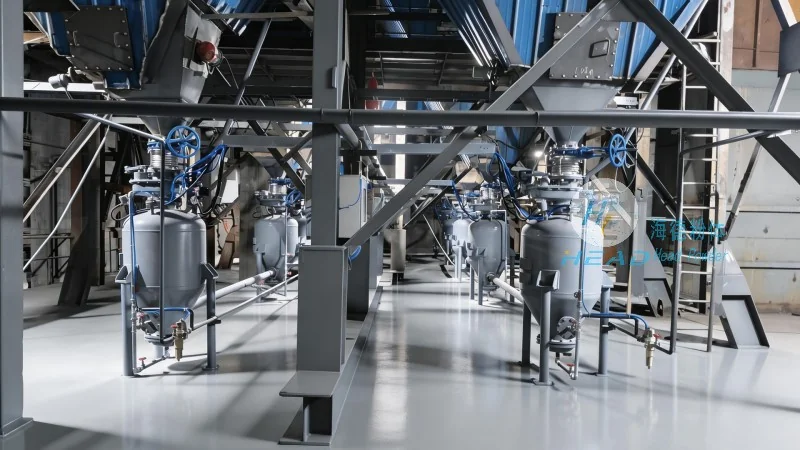
Technical Specifications and Performance Parameters
Shandong HeadPowder Engineering Co., Ltd. provides denitrization fly ash pneumatic conveying equipment with tailored specifications to meet the specific requirements of each power plant. Key technical parameters include the conveying capacity, which can range from several tons per hour to over 100 tons per hour, depending on the plant's output. The system pressure typically ranges from 0.5 to 1.5 bar, with air flow rates adjusted to maintain optimal conveying velocity. The pipeline diameter is selected based on the ash particle size and the required flow rate, with common diameters ranging from 100 mm to 300 mm. The equipment is designed to operate continuously, with minimal downtime for maintenance, ensuring reliable performance over extended periods. The company's engineering team conducts thorough calculations and simulations to ensure that the system meets the client's operational and environmental standards.
Installation and Maintenance Considerations
The successful implementation of the denitrization fly ash pneumatic conveying system requires careful planning and professional installation. The equipment is typically installed in a dedicated area within the power plant, with considerations for space, access for maintenance, and compliance with safety regulations. Regular maintenance is essential to ensure the system operates efficiently and reliably. This includes inspecting the rotary valve for wear, checking the air filter and compressor for proper function, and cleaning the pipeline and receiver to prevent buildup of ash deposits. The company provides comprehensive maintenance services, including on-site inspections, spare parts supply, and technical support, to minimize downtime and extend the equipment's lifespan. Proper maintenance not only enhances performance but also reduces the risk of equipment failure and environmental incidents.




