For industrial applications involving magnesium silicate powder, understanding the mechanisms and attributes of its conveying process is crucial. This article provides an in-depth look at the working principle and key characteristics of magnesium silicate powder handling systems, presented by Shandong HeadPowder Engineering Co., Ltd., a leading provider in the field.
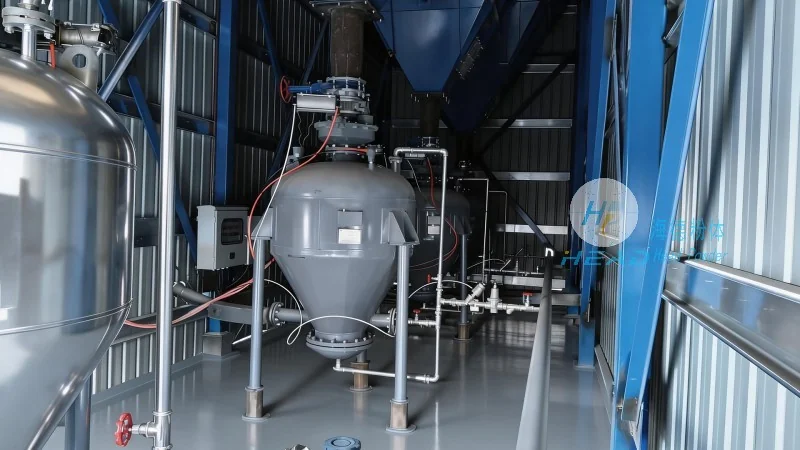
Overview of Magnesium Silicate Powder Conveying Systems
Magnesium silicate, often used in various industrial sectors such as construction, agriculture, and chemical manufacturing, requires efficient and reliable conveying methods to ensure smooth material flow. The systems designed for magnesium silicate powder typically involve several components that work in tandem to achieve optimal performance. These components may include hoppers, feeders, conveyors, and control mechanisms, each playing a vital role in the overall operation.
The Working Principle of Magnesium Silicate Powder Conveying
The core working principle of magnesium silicate powder conveying revolves around the transfer of bulk material from a source to a destination through mechanical or pneumatic means. In mechanical conveying systems, for instance, a screw or belt conveyor may be employed to move the powder. The process begins with the powder being loaded into a hopper, where it is then fed into the conveyor mechanism. The conveyor then transports the powder to the desired location, such as a storage silo or processing unit. Pneumatic conveying systems, on the other hand, utilize air pressure to transport the powder through a pipeline. In this method, the powder is suspended in air and carried along the pipeline to the target point. Both methods aim to achieve consistent and controlled flow of the powder, minimizing issues like clogging or material degradation.
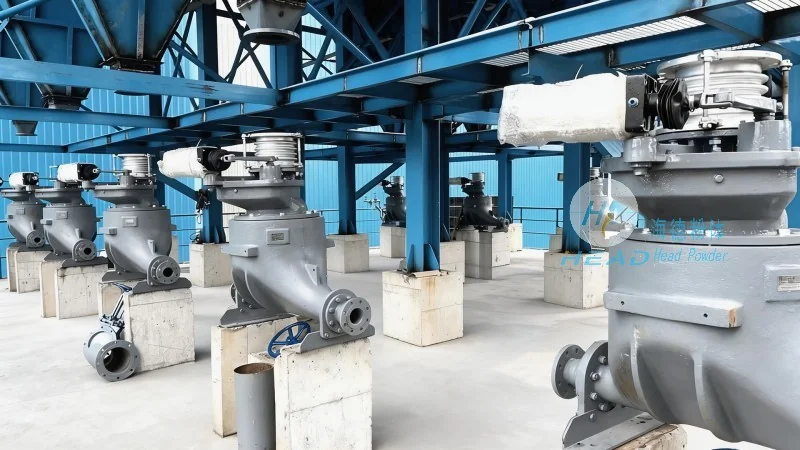
Key Characteristics of Magnesium Silicate Powder Conveying
Several key characteristics define the performance of magnesium silicate powder conveying systems. Firstly, the systems must be capable of handling the specific properties of magnesium silicate powder, which may include its particle size distribution, moisture content, and flowability. The design of the conveying equipment must account for these properties to prevent issues such as bridging or segregation. Secondly, the systems need to ensure minimal material loss and contamination. This is achieved through proper sealing and cleaning mechanisms to maintain the purity of the powder. Thirdly, the conveying systems should be energy-efficient and cost-effective. This involves optimizing the speed and pressure settings to reduce energy consumption while maintaining the required flow rate. Additionally, the systems must be durable and easy to maintain, as they are often exposed to abrasive materials and harsh operating conditions. The use of high-quality materials and robust construction helps to extend the lifespan of the equipment and reduce downtime.
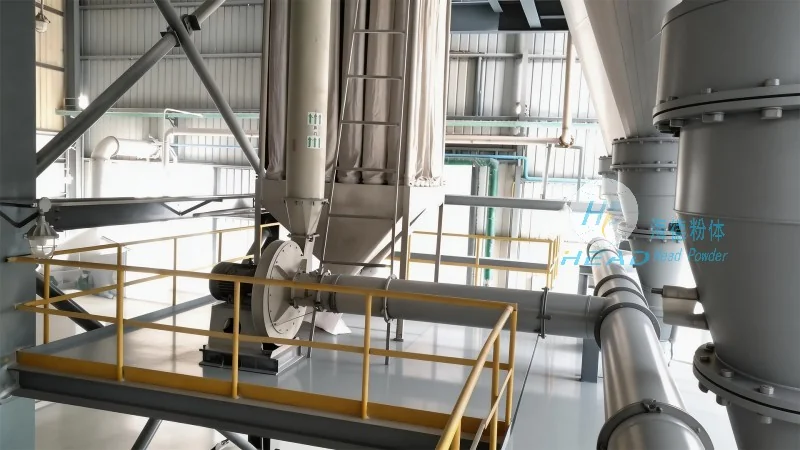
Applications and Benefits of Magnesium Silicate Powder Conveying
Magnesium silicate powder conveying systems find applications in a wide range of industries. In the construction industry, for example, magnesium silicate is used as a raw material for cement and other building materials. The conveying systems ensure that the powder is delivered to production facilities efficiently, supporting the manufacturing process. In agriculture, magnesium silicate is used as a soil amendment and fertilizer. The systems help in transporting the powder to farms and processing plants, facilitating its use in soil improvement. The benefits of these systems extend beyond efficiency, as they also contribute to workplace safety by reducing manual handling of bulk materials and minimizing dust exposure. By automating the conveying process, companies can improve productivity and reduce operational costs.
Conclusion
In conclusion, the working principle and characteristics of magnesium silicate powder conveying systems are critical for ensuring effective material handling in various industrial applications. The systems, developed by Shandong HeadPowder Engineering Co., Ltd., combine advanced technology with robust design to meet the demands of modern industry. By understanding these principles and characteristics, businesses can select and implement the most suitable conveying solutions for their specific needs, leading to improved operational efficiency and cost savings.




