Understanding Lithium-Ion Battery Material Pneumatic Conveying: Classification and Applications
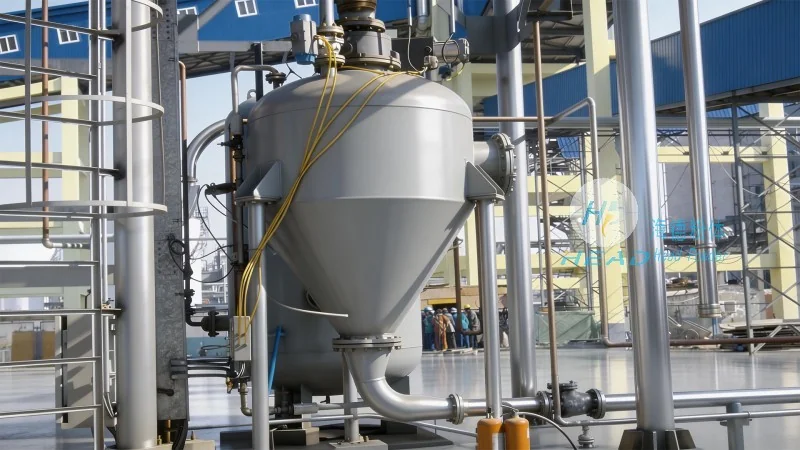
Pneumatic Conveying in Lithium-Ion Battery Manufacturing
Pneumatic conveying is a critical technology in the lithium-ion battery production process, especially for handling fine powders and granules used in electrode materials. This method involves transporting bulk materials through a pipeline using air or other gases as the conveying medium. The efficiency and safety of this process are paramount in the battery industry, where materials like lithium cobalt oxide, lithium iron phosphate, and other active ingredients require precise handling to maintain their quality and prevent contamination or degradation.
Types of Pneumatic Conveying Systems
There are primarily two types of pneumatic conveying systems used in lithium-ion battery material handling: dilute-phase and dense-phase. Dilute-phase systems operate at low material-to-air ratios, using high-velocity air to move particles through the pipeline. This method is suitable for short to medium distances and low to medium material loads. Dense-phase systems, on the other hand, use lower air velocities and higher material concentrations, which allows for more controlled and gentle material transport, reducing the risk of particle degradation and equipment wear.
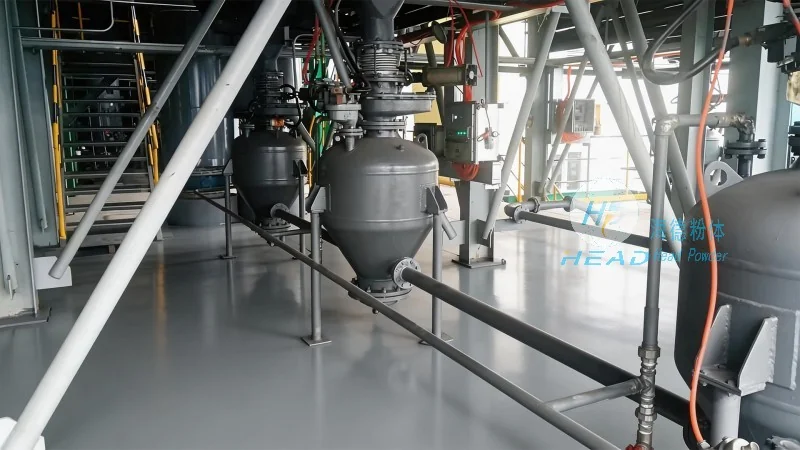
Applications in Battery Material Processing
In the context of lithium-ion battery manufacturing, pneumatic conveying is applied in several key stages. For instance, during the raw material preparation phase, powders such as lithium salts and metal oxides are conveyed from storage silos to mixing and grinding equipment. This ensures a consistent flow of materials, minimizing downtime and improving production throughput. In the electrode production stage, the mixed slurry is conveyed to drying and coating machines, where the material is evenly distributed onto current collectors. The ability to handle fine powders without agglomeration is crucial here, as it directly impacts the uniformity of the electrode layers.
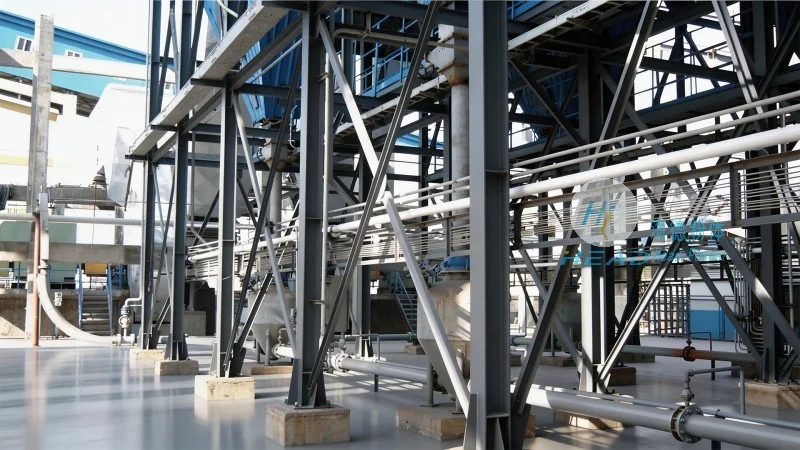
Advantages of Pneumatic Conveying for Battery Materials
One of the main advantages of pneumatic conveying in lithium-ion battery applications is its ability to handle hazardous materials safely. Many battery materials are flammable or reactive, and traditional mechanical conveyors can pose a risk of ignition or contamination. Pneumatic systems, when properly designed and equipped with explosion-proof features, provide a closed-loop environment that prevents dust explosions and maintains material purity. Additionally, this method offers flexibility in system layout, allowing for complex piping networks that can adapt to the changing needs of a battery manufacturing plant.
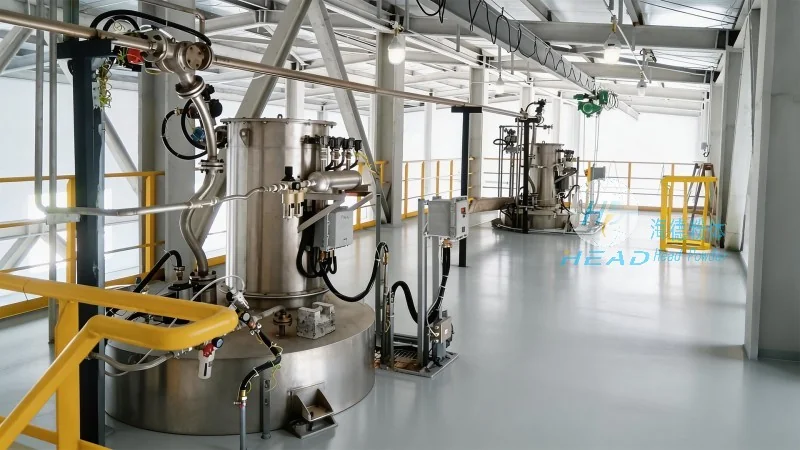
HeadPowder Engineering's Expertise in Pneumatic Conveying Solutions
Shandong HeadPowder Engineering Co., Ltd. specializes in providing customized pneumatic conveying solutions tailored to the unique requirements of lithium-ion battery manufacturers. With years of experience in the powder handling industry, the company understands the challenges associated with handling sensitive battery materials and has developed advanced systems that ensure efficiency, safety, and reliability. The company's solutions include both dilute-phase and dense-phase systems, as well as integrated equipment such as material feeders, cyclone separators, and dust collectors, all designed to meet the stringent standards of the battery industry.
Conclusion: The Role of Pneumatic Conveying in Battery Material Handling
Pneumatic conveying is an indispensable technology in the lithium-ion battery manufacturing process, offering a safe, efficient, and flexible method for handling critical materials. By understanding the different types of systems and their applications, battery manufacturers can optimize their production lines, reduce costs, and improve product quality. As the demand for lithium-ion batteries continues to grow, the importance of reliable material handling solutions like pneumatic conveying will only increase, making it a key component in the supply chain of the battery industry.




