Bauxite, a primary source of aluminum ore, is widely used in various industrial processes. Pneumatic conveying is a critical technology for transporting bauxite efficiently and safely. This article explores the fundamentals of bauxite pneumatic conveying, its classification, and practical applications in industrial settings.
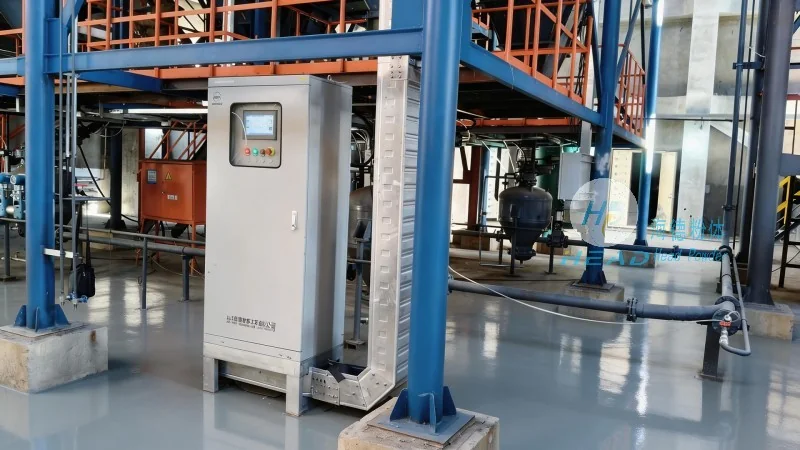
Introduction to Bauxite Pneumatic Conveying
Bauxite pneumatic conveying involves the transport of bauxite particles through a pipeline using air or gas as the conveying medium. This method eliminates the need for mechanical components like belts or buckets, reducing maintenance costs and improving operational efficiency. The process typically includes feeding the bauxite into a hopper, where it is then drawn into the pipeline by a vacuum or pressure system. The air flow carries the particles through the system, delivering them to the destination point.
Classification of Pneumatic Conveying Systems
Pneumatic conveying systems for bauxite are categorized based on the pressure differential between the conveying line and the ambient environment. The main types include:
Positive Pressure Systems
Positive pressure systems operate by blowing air into the conveying line, creating a pressure higher than the ambient air. This method is suitable for long-distance and high-capacity transport. The system uses blowers or compressors to generate the necessary pressure, ensuring consistent flow rates and preventing material degradation. Positive pressure systems are commonly used in large-scale bauxite processing plants where high throughput is required.
Negative Pressure Systems
Negative pressure systems, also known as vacuum systems, create a vacuum in the conveying line, drawing the bauxite particles into the pipeline. This approach is ideal for applications requiring gentle handling of the material, such as transporting fine bauxite powders. The vacuum is generated by a vacuum pump, and the system is designed to minimize particle breakage and maintain product quality. Negative pressure systems are often employed in environments where dust control is a priority.
Mixed Pressure Systems
Mixed pressure systems combine elements of both positive and negative pressure. They use a combination of blowers and vacuum pumps to optimize the conveying process. This approach allows for flexibility in handling different bauxite particle sizes and flow rates. Mixed pressure systems are suitable for complex conveying routes, such as those involving multiple transfer points or varying elevation changes.
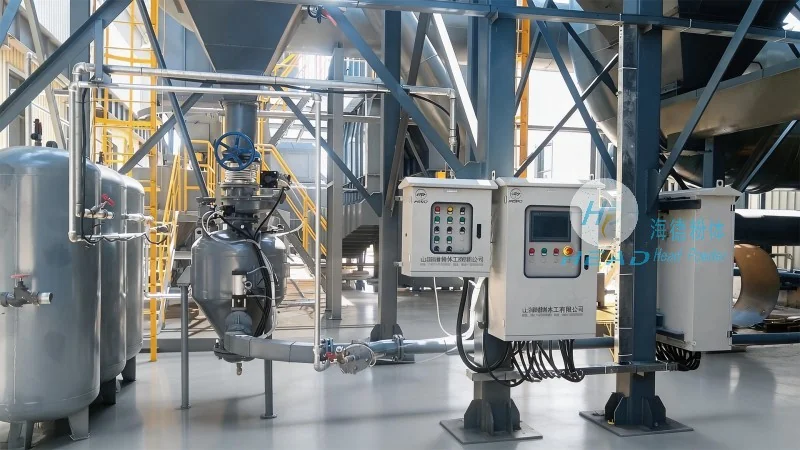
Applications of Bauxite Pneumatic Conveying
Bauxite pneumatic conveying is widely applied in the aluminum industry and related sectors. Key applications include:
Raw Material Transport in Aluminum Production
In aluminum production, bauxite is the primary raw material. Pneumatic conveying systems efficiently transport bauxite from storage facilities to processing plants. This ensures a continuous supply of raw material, minimizing downtime and enhancing production efficiency. The technology is particularly useful for transporting bauxite over long distances, such as from mining sites to processing facilities located in different regions.
Processing and Refining
During the processing of bauxite, it undergoes several stages, including crushing, grinding, and digestion. Pneumatic conveying is used to move the material between these stages. For instance, after crushing, the bauxite is conveyed to grinding mills, and then to digestion tanks. The system ensures that the material is handled gently, preserving its quality and reducing the risk of contamination. This is crucial for maintaining the purity of the final aluminum product.
Storage and Handling
Bauxite is often stored in bulk in silos or stockpiles. Pneumatic conveying systems are used to transfer the material from storage to processing equipment. This method allows for automated and controlled material flow, reducing labor costs and improving safety. The systems can be integrated with storage facilities to ensure a steady supply of bauxite, even during periods of high demand.
Advantages of Bauxite Pneumatic Conveying
Bauxite pneumatic conveying offers several advantages over traditional mechanical conveying methods. These include:
Reduced Maintenance Costs
Since pneumatic systems do not rely on moving parts like belts or buckets, they require less maintenance. This leads to lower operational costs and increased system reliability. The absence of mechanical components also minimizes the risk of breakdowns, ensuring continuous operation.
Improved Material Handling
Pneumatic conveying provides gentle handling of bauxite particles, preventing breakage and maintaining product quality. This is particularly important for fine bauxite powders, which are sensitive to mechanical stress. The system ensures that the material remains intact, reducing the need for reprocessing and improving overall efficiency.
Enhanced Safety and Environmental Control
Pneumatic systems are enclosed, reducing dust emissions and improving workplace safety. The enclosed design prevents dust from escaping into the environment, minimizing the risk of respiratory issues for workers. Additionally, the system can be equipped with filtration and dust collection equipment to further enhance environmental control.
Conclusion
Bauxite pneumatic conveying is a vital technology in the aluminum industry, offering efficient, safe, and cost-effective transport of bauxite. The classification of systems, including positive, negative, and mixed pressure types, allows for tailored solutions to meet specific operational requirements. By understanding the applications and advantages of pneumatic conveying, industries can optimize their bauxite handling processes and improve overall productivity. As a leading provider in this field, Shandong HeadPowder Engineering Co., Ltd. specializes in designing and implementing advanced pneumatic conveying systems tailored to the unique needs of bauxite processing facilities.




