Hydrated lime powder, also known as slaked lime, is a widely used chemical material in various industrial processes. The efficient and reliable transportation of this fine powder is crucial for many applications, and pneumatic conveying has emerged as a preferred method for handling such materials. This article explores the concept of hydrated lime powder pneumatic conveying, its classification, and practical applications, providing insights into how this technology enhances material handling in industrial settings.
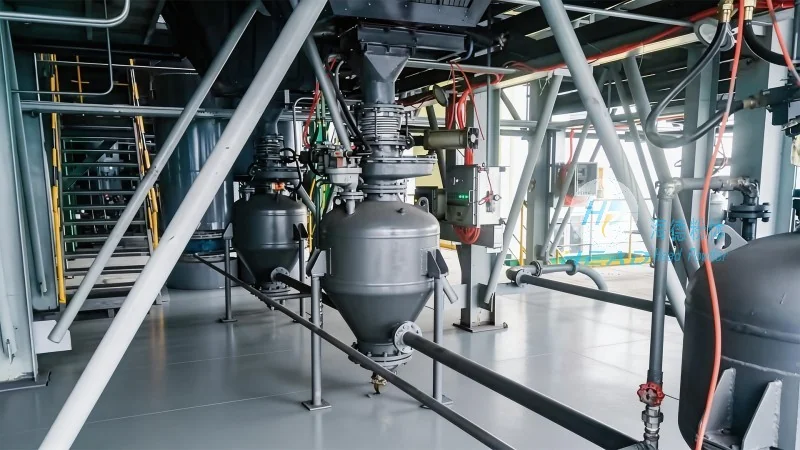
Pneumatic Conveying Basics and Its Relevance to Hydrated Lime Powder
Pneumatic conveying is a process that uses air or gas to transport bulk materials through a pipeline system. It is particularly suitable for handling fine powders like hydrated lime due to its ability to minimize dust generation and maintain material integrity. Unlike traditional methods such as belt conveyors or bucket elevators, pneumatic systems offer advantages in terms of flexibility, cleanliness, and reduced maintenance. The core principle involves creating a pressure differential to move the material, either by suction (vacuum) or pressure, depending on the system design.
Classification of Pneumatic Conveying Systems for Hydrated Lime Powder
There are primarily two types of pneumatic conveying systems used for transporting hydrated lime powder: suction (or vacuum) systems and pressure systems. Each type has distinct characteristics and is chosen based on the specific requirements of the application.
Suction (Vacuum) Systems: These systems operate by creating a negative pressure in the pipeline, drawing the material from the source into the conveying line. They are ideal for applications where the material needs to be transported from a lower elevation or when the source is located at a distance from the destination. The main advantage is that they can handle materials with higher moisture content and are less likely to cause blockages due to the lower pressure.
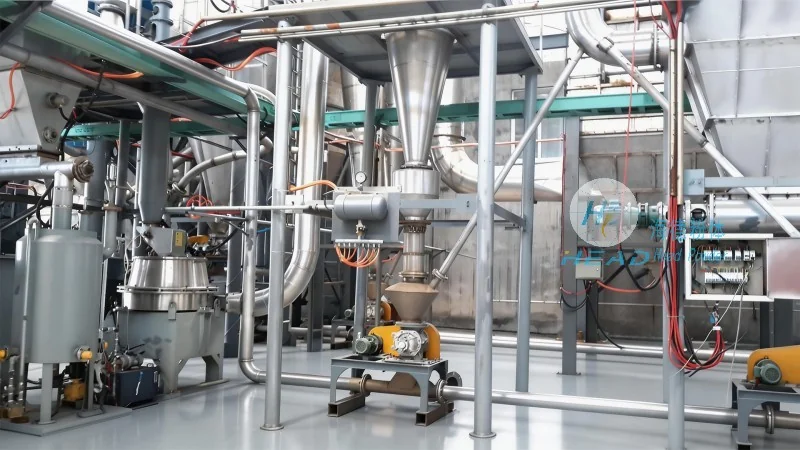
Pressure Systems: In contrast, pressure systems generate positive pressure within the pipeline, pushing the material from the source to the destination. They are commonly used when the material needs to be transported to a higher elevation or over longer distances. Pressure systems typically offer higher conveying capacities and are more suitable for handling dry, free-flowing powders like hydrated lime. The choice between suction and pressure systems depends on factors such as the distance, elevation change, and the nature of the material being conveyed.
Key Components and Design Considerations for Hydrated Lime Powder Pneumatic Conveying
The effectiveness of a pneumatic conveying system for hydrated lime powder depends on several key components and design considerations. These include the hopper or feeder, which ensures a consistent flow of material into the system; the pipeline, which must be properly sized and constructed to prevent blockages; and the control valves, which regulate the flow and pressure. Additionally, the selection of appropriate air or gas as the conveying medium is critical. For hydrated lime powder, air is commonly used due to its low cost and effectiveness in handling fine particles. The system design must also consider factors such as the material's particle size distribution, moisture content, and flow properties to ensure optimal performance.
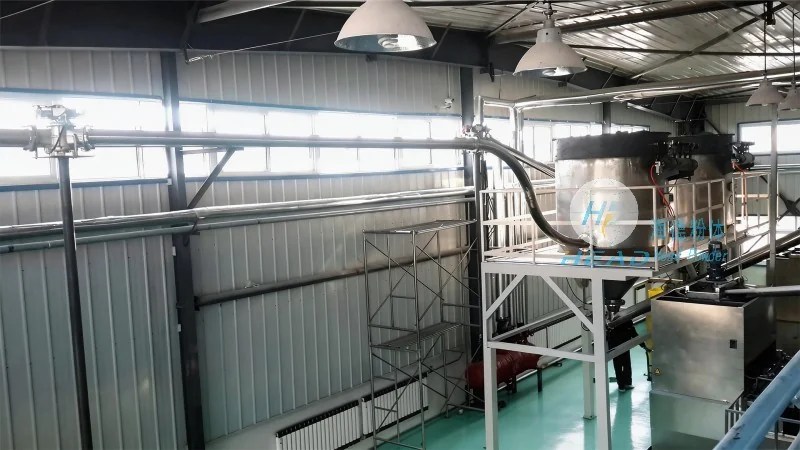
Applications of Hydrated Lime Powder Pneumatic Conveying
Hydrated lime powder is used in a wide range of industries, and pneumatic conveying plays a vital role in its application. Some of the key applications include water treatment, where it is used for pH adjustment and coagulation; flue gas desulfurization (FGD) in power plants, where it helps to remove sulfur dioxide from exhaust gases; and in the construction industry, where it is used as a soil conditioner and in cement production. In each of these applications, the ability to transport hydrated lime powder efficiently and reliably is essential for maintaining process efficiency and reducing operational costs.
For instance, in water treatment facilities, the use of pneumatic conveying allows for the precise dosing of hydrated lime into the treatment process, ensuring optimal pH levels and effective removal of impurities. Similarly, in FGD systems, the efficient transport of hydrated lime to the reaction tower is crucial for achieving high sulfur removal rates. The construction industry benefits from the ability to deliver hydrated lime to job sites quickly and without the need for manual handling, which improves safety and productivity.
Advantages of Using Pneumatic Conveying for Hydrated Lime Powder
There are several advantages to using pneumatic conveying for hydrated lime powder. First, it provides a dust-free environment, which is important for maintaining workplace safety and compliance with environmental regulations. Second, it minimizes material degradation, as the material is not subjected to mechanical stress during transportation. Third, the system is flexible and can be easily integrated into existing industrial processes. Fourth, it offers high conveying capacities and can handle long distances and elevation changes. Finally, the reduced need for manual handling and the associated labor costs make pneumatic conveying a cost-effective solution for many applications.




