Adipic acid, a key chemical intermediate widely used in the production of nylon and other polymers, often requires efficient and reliable material handling methods for industrial applications. Pneumatic conveying stands out as a crucial technology for transporting adipic acid and similar powders, offering advantages such as dust-free operation, low maintenance, and the ability to handle fine or hygroscopic materials. This article explores the fundamentals of adipic acid pneumatic conveying, its classification based on operational principles, and practical applications in industrial settings.
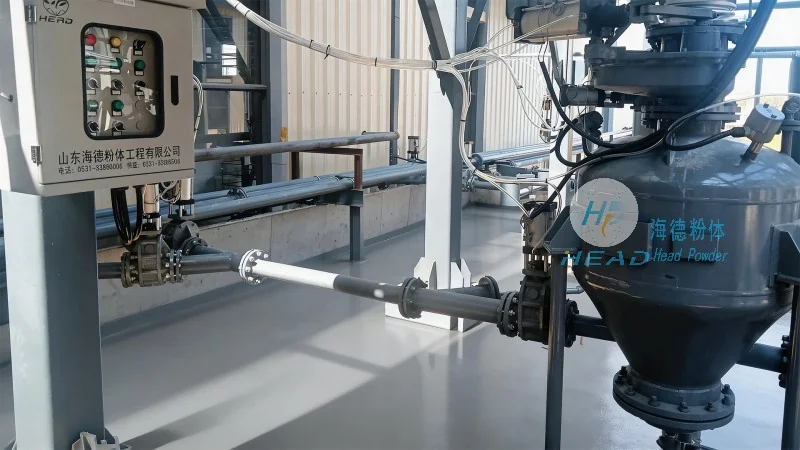
Understanding Pneumatic Conveying Systems
Pneumatic conveying systems utilize compressed air or other gases to transport bulk materials like adipic acid from one location to another. These systems are categorized based on the direction of material flow relative to the air flow, the pressure used, and the system design. The primary types include dilute-phase and dense-phase conveying, each with distinct characteristics suitable for different material properties and process requirements.
Dilute-Phase Pneumatic Conveying
Dilute-phase systems operate at relatively low pressure (typically below 0.7 bar) and high air velocity, where the material is suspended in the air stream as a fine mist. This method is ideal for transporting light, non-abrasive powders over moderate distances. For adipic acid, which is a fine powder with low bulk density, dilute-phase conveying can achieve high throughput with minimal pressure drop. However, it may require larger duct sizes and higher air volumes, making it less suitable for long-distance or high-density material transport.
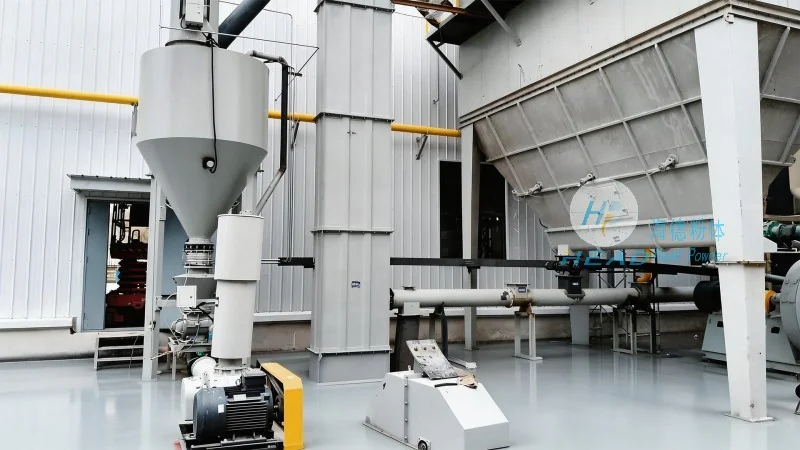
Dense-Phase Pneumatic Conveying
In contrast, dense-phase systems operate at higher pressures (up to 7 bar) and lower air velocities, where the material is conveyed in a slurry-like state, often with a carrier gas like nitrogen or air. This approach is particularly effective for handling abrasive or sensitive materials like adipic acid, as it reduces particle impact and friction, minimizing product degradation. Dense-phase conveying also allows for precise control over material flow, making it suitable for applications requiring accurate dosing or feeding into reactors. The system typically uses a positive displacement pump or a venturi injector to create the necessary pressure and flow conditions.
Key Components of Pneumatic Conveying Systems
Effective adipic acid pneumatic conveying systems consist of several critical components, each playing a vital role in the overall operation. These include the material feed hopper, which holds the adipic acid and controls the discharge rate; the air supply system, which provides the necessary pressure and volume of gas; the conveying line, which transports the material from the source to the destination; and the receiving hopper or silo, where the material is deposited. Additionally, components such as filters, cyclones, and pressure regulators are essential for maintaining system efficiency and preventing material buildup or contamination.
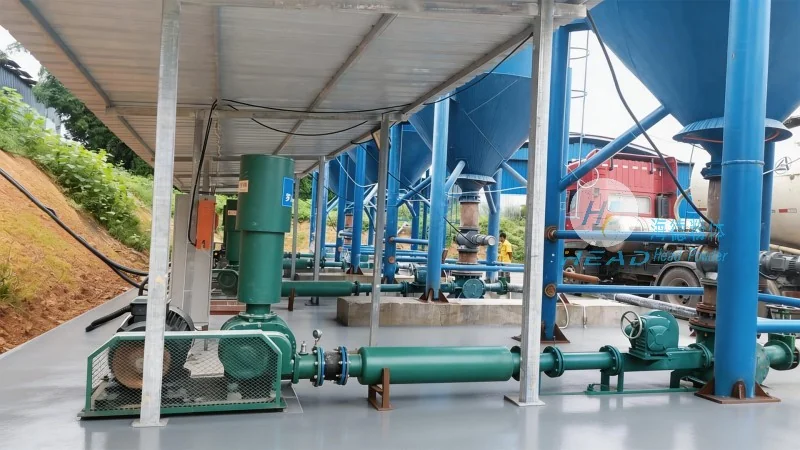
Applications of Pneumatic Conveying in Adipic Acid Processing
Adipic acid processing facilities rely on pneumatic conveying for various stages of production, from raw material handling to intermediate product transfer. In the initial stages, adipic acid is often received from suppliers and stored in bulk containers. Pneumatic conveying systems are used to transfer the material from storage silos to the production reactors, ensuring a continuous and controlled feed. During the reaction process, intermediate products may need to be transferred between reactors or to storage tanks, where dense-phase conveying can be employed to maintain product quality and prevent caking or agglomeration.
Advantages of Pneumatic Conveying for Adipic Acid
Compared to traditional methods like belt conveyors or bucket elevators, pneumatic conveying offers several advantages for adipic acid handling. Firstly, it provides a dust-free environment, which is critical for maintaining product purity and worker safety in chemical processing plants. Secondly, the system is compact and flexible, allowing for easy integration into existing production lines without extensive civil works. Thirdly, pneumatic conveying reduces material degradation by minimizing particle impact and friction, which is particularly important for sensitive chemicals like adipic acid. Finally, the technology allows for precise control over material flow rates, enabling accurate dosing and process optimization.
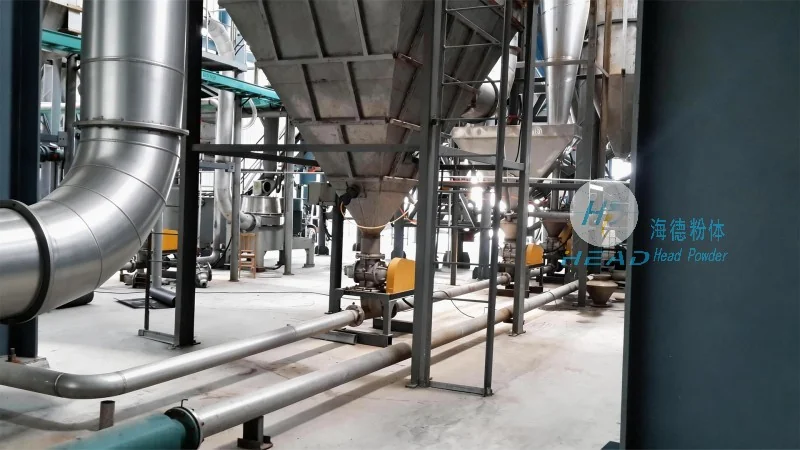
Challenges and Considerations in Adipic Acid Pneumatic Conveying
While pneumatic conveying offers significant benefits, it also presents challenges that must be addressed to ensure efficient operation. One major challenge is the potential for material buildup or blockages in the conveying lines, especially with fine or hygroscopic powders like adipic acid. This can be mitigated through proper system design, including the use of cyclones for particle separation and regular maintenance to prevent clogging. Another consideration is the need for proper air filtration to prevent dust contamination in the processing environment. Additionally, the energy consumption of pneumatic conveying systems can be high, particularly for long-distance or high-volume transport, requiring careful selection of system components to optimize efficiency.
Conclusion
Adipic acid pneumatic conveying is a vital technology in the chemical industry, enabling efficient and safe handling of this important intermediate. By understanding the classification of pneumatic conveying systems and selecting the appropriate type based on material properties and process requirements, manufacturers can optimize their operations and improve product quality. With advancements in system design and control technology, pneumatic conveying continues to play a crucial role in modern adipic acid processing, supporting the production of high-value polymers and other chemical products.




