Fiber pneumatic conveying is a specialized method of material handling that utilizes air as the primary medium to transport bulk materials, particularly those that are fibrous or have a high dust content. This technology is widely used in various industries due to its efficiency, flexibility, and ability to handle materials that are difficult to transport using traditional mechanical methods. The process involves creating a pressure differential between the inlet and outlet of a system, which draws the material into the conveying line through the use of air flow. Understanding the principles and applications of fiber pneumatic conveying is crucial for optimizing material handling operations in industries such as pharmaceuticals, food processing, and chemical manufacturing.
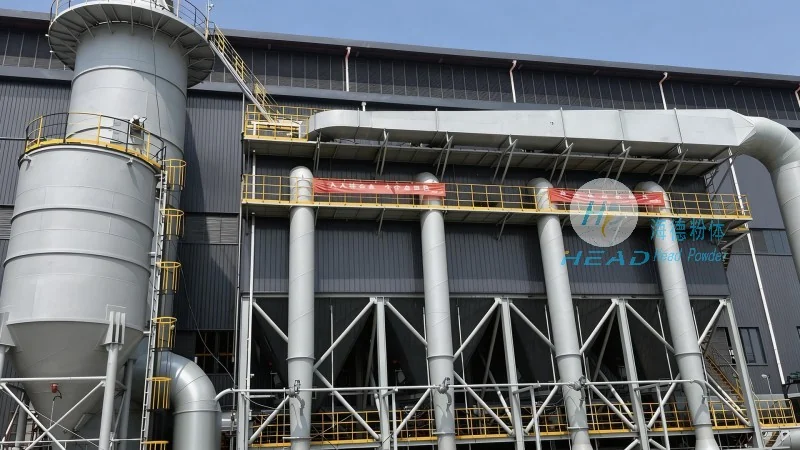
Classification of Pneumatic Conveying Systems
Pneumatic conveying systems can be broadly classified into two main categories: pressure and vacuum systems. Pressure systems operate by introducing compressed air into the conveying line, pushing the material forward. These systems are suitable for short to medium distances and can handle a wide range of materials, including powders, granules, and fibers. Vacuum systems, on the other hand, use a vacuum pump to create a negative pressure that draws the material into the system. This type of system is ideal for longer distances and is commonly used in applications where the material needs to be transported from multiple sources to a single destination.
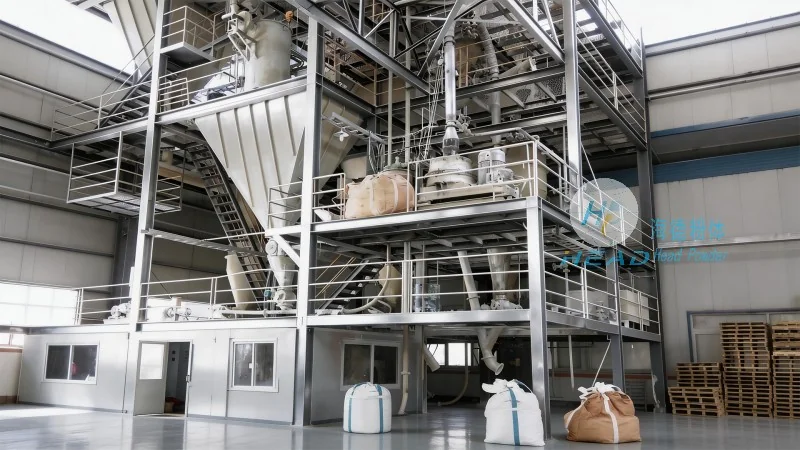
Applications of Fiber Pneumatic Conveying
Fiber pneumatic conveying finds extensive applications in industries where the handling of fibrous materials is essential. In the pharmaceutical industry, for example, this technology is used to transport active pharmaceutical ingredients (APIs) and excipients with high precision and minimal contamination. The ability to maintain a sterile environment and control the flow of materials makes it a preferred choice for pharmaceutical manufacturers. Similarly, in the food processing industry, fiber pneumatic conveying is used to handle food powders and fibers, ensuring that the materials remain free from contamination and are transported efficiently. The system's ability to handle materials with high moisture content or those that are prone to caking also makes it suitable for applications in the chemical industry, where the transport of chemicals and their byproducts is required.
Key Features and Benefits of Fiber Pneumatic Conveying
One of the key advantages of fiber pneumatic conveying is its ability to handle a wide variety of materials, including those that are abrasive or have a high dust content. The system's design allows for the efficient transport of materials without the need for additional equipment such as conveyors or elevators. This reduces the overall cost of material handling and increases the efficiency of the process. Additionally, fiber pneumatic conveying systems are relatively easy to install and maintain, making them a cost-effective solution for many industries. The system's flexibility also allows for easy integration with existing production lines, reducing the need for major modifications to the facility.
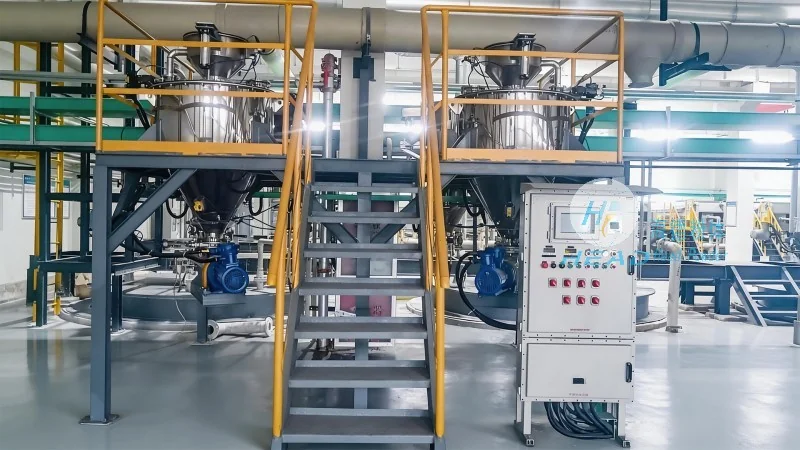
Company Overview: Shandong HeadPowder Engineering Co., Ltd.
Shandong HeadPowder Engineering Co., Ltd., commonly known as HeadPowder, is a leading provider of pneumatic conveying solutions. The company specializes in the design, manufacturing, and installation of fiber pneumatic conveying systems tailored to the specific needs of various industries. With a strong focus on quality and innovation, HeadPowder has established itself as a trusted partner for businesses seeking efficient and reliable material handling solutions. The company's headquarters is located in Shandong, China, and it serves clients worldwide with its expertise in pneumatic conveying technology.




