Denitrator powder conveying systems are critical components in industrial processes, particularly in facilities that utilize selective catalytic reduction (SCR) for nitrogen oxide (NOx) reduction. The efficient and reliable transport of denitrator powders, such as urea or ammonia-based solutions, is essential for maintaining optimal performance in flue gas treatment systems. This article explores the working principle and key characteristics of denitrator powder conveying systems, providing insights into their design, operation, and advantages, as offered by Shandong HeadPowder Engineering Co., Ltd., a leading provider of industrial powder handling solutions based in China.
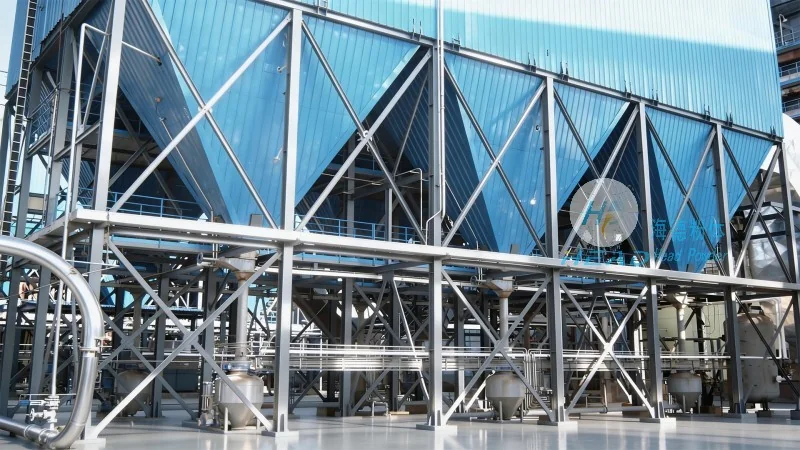
Working Principle of Denitrator Powder Conveying
The core working principle of denitrator powder conveying systems revolves around the controlled movement of powder materials from storage silos or bulk containers to the injection points in the flue gas stream. The process typically involves several key steps, each designed to ensure accurate dosing and minimal material loss. First, the denitrator powder is stored in a silo or hopper under controlled conditions, such as temperature and humidity, to prevent caking or agglomeration. From there, the powder is fed into a conveying system, which may use pneumatic, mechanical, or hybrid methods to transport the material.
In pneumatic conveying systems, for example, the powder is mixed with a carrier gas (usually air or nitrogen) and transported through a pipeline. The velocity of the gas and the design of the pipeline (e.g., straight sections, bends, and expansion joints) are carefully engineered to maintain the powder in a suspended state, preventing blockages and ensuring consistent flow. Mechanical conveying systems, on the other hand, use screw conveyors, belt conveyors, or bucket elevators to move the powder. These systems rely on mechanical force to push or lift the material, often with the assistance of a hopper or feeder to regulate the flow rate.
Once the powder reaches the injection point, it is typically mixed with the flue gas stream to facilitate the NOx reduction reaction. The injection system must ensure precise dosing, as excess or insufficient powder can lead to inefficiencies or operational issues. Advanced control systems are often integrated into the conveying process to monitor parameters like flow rate, pressure, and temperature, allowing for real-time adjustments to maintain optimal performance.
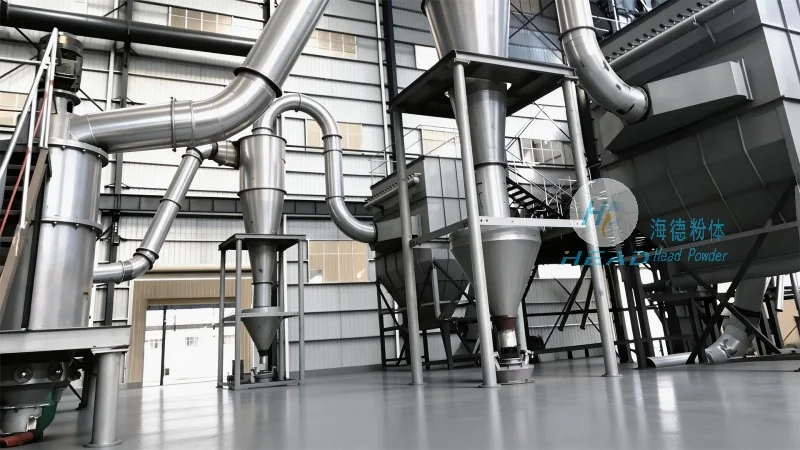
Key Characteristics of Denitrator Powder Conveying Systems
Denitrator powder conveying systems exhibit several distinct characteristics that make them suitable for industrial applications. One of the primary characteristics is their ability to handle abrasive or corrosive materials, which are common in denitrator powders. The materials used in the construction of the conveying components—such as stainless steel, high-density polyethylene (HDPE), or specialized alloys—are selected to withstand the chemical and mechanical stresses associated with these powders.
Another important characteristic is the system's ability to maintain a consistent flow rate and prevent material degradation. This is achieved through the use of specialized feeders, such as rotary valves or vibratory feeders, which regulate the powder discharge from the storage silo. The design of the conveying pipeline, including the use of smooth inner surfaces and minimal bends, minimizes friction and reduces the risk of clogging or blockages. Additionally, the system is equipped with sensors and monitoring devices to detect any deviations in flow or pressure, enabling prompt maintenance or adjustments.
Efficiency and reliability are also critical characteristics of denitrator powder conveying systems. These systems are designed to minimize energy consumption while ensuring consistent performance over long periods. The use of energy-efficient motors, optimized pipeline designs, and automated control systems contributes to lower operational costs and reduced environmental impact. Furthermore, the systems are built to withstand harsh industrial environments, with features like dust-proof enclosures and corrosion-resistant materials to ensure long-term durability.
Environmental considerations are another key characteristic. Denitrator powder conveying systems are designed to minimize dust emissions and prevent environmental contamination. The use of sealed conveying lines, dust collection systems, and proper ventilation helps to maintain a clean and safe working environment. Additionally, the systems are often equipped with emission control devices to reduce the release of particulate matter or other pollutants into the atmosphere, aligning with environmental regulations and standards, as exemplified by the facilities operated by Shandong HeadPowder Engineering Co., Ltd. in China.
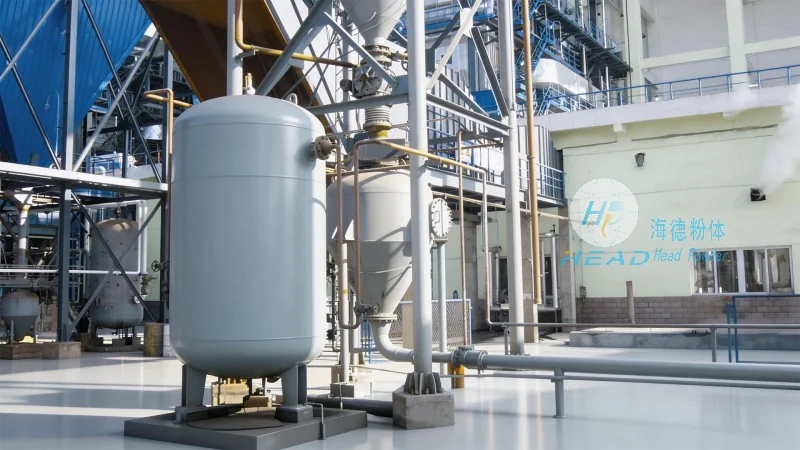
Advantages of Using Denitrator Powder Conveying Systems
Implementing denitrator powder conveying systems offers several advantages for industrial facilities. One of the most significant advantages is improved process control and accuracy. By using automated control systems and precise dosing mechanisms, facilities can achieve consistent NOx reduction rates, leading to compliance with environmental regulations and reduced operational costs. The ability to adjust the flow rate in real-time allows for quick responses to changes in flue gas conditions, ensuring optimal performance under varying load conditions.
Another advantage is the reduction in labor costs and operational complexity. Automated conveying systems eliminate the need for manual handling of denitrator powders, which can be hazardous due to dust exposure or chemical properties. The use of sealed and enclosed systems also reduces the risk of worker exposure to harmful materials, improving workplace safety. Additionally, the systems require minimal maintenance, with built-in monitoring and diagnostic features that alert operators to potential issues before they become major problems.
Energy efficiency is a notable advantage of modern denitrator powder conveying systems. Advanced designs, such as energy recovery systems or variable speed drives, help to reduce energy consumption while maintaining performance. This not only lowers operational costs but also contributes to a smaller carbon footprint, aligning with sustainability goals. The use of efficient conveying methods, such as pneumatic systems with optimized gas flow rates, further enhances energy savings.




