For the processing of rice bran, efficient material handling is crucial to ensure the quality and productivity of the production line. Pneumatic conveying systems have emerged as a key technology in this field, offering advantages such as dust-free operation, reduced labor costs, and improved safety. This article provides an in-depth analysis of the classification of rice bran pneumatic conveying systems and their practical applications, focusing on the technical aspects and operational considerations.
Introduction to Rice Bran Pneumatic Conveying Systems
Rice bran, a byproduct of rice milling, is rich in nutrients and widely used in food, feed, and industrial applications. The handling of rice bran requires specialized equipment to maintain its quality and prevent contamination. Pneumatic conveying systems use air to transport bulk materials like rice bran, eliminating the need for mechanical components that might cause wear or contamination. The choice of system depends on factors such as material properties, distance, and required capacity, making it essential to understand the different types available.
Classification of Pneumatic Conveying Systems for Rice Bran
Pneumatic conveying systems for rice bran can be broadly classified into two main categories: pressure and vacuum systems. Each type has distinct characteristics and is suitable for different operational scenarios.
Pressure Pneumatic Conveying Systems
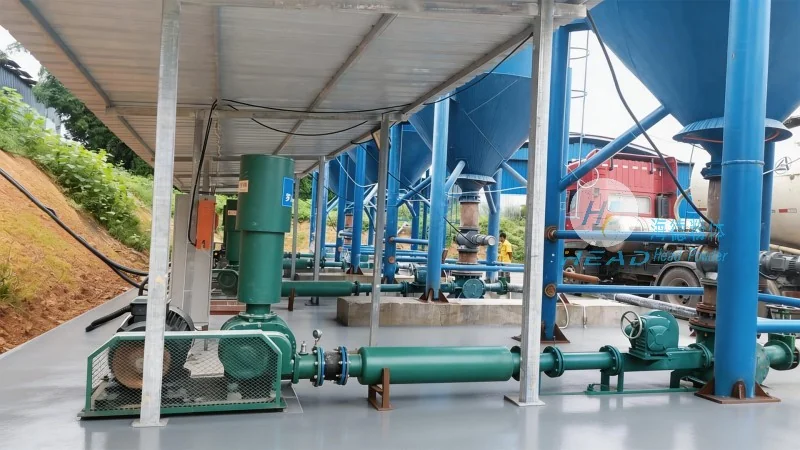
Pressure systems operate by blowing air into a sealed pipeline under positive pressure. They are commonly used for short to medium distances and high material flow rates. In a pressure system, a blower or compressor creates the necessary pressure, and the material is drawn into the pipeline through a hopper or feeder. This method is effective for transporting rice bran from storage silos to processing units or packaging areas. The system typically includes components like a rotary valve, air lock, and filter to ensure smooth operation and prevent material buildup.
Vacuum Pneumatic Conveying Systems
Vacuum systems, on the other hand, create a negative pressure in the pipeline to draw material from a source. They are ideal for long-distance or low-flow applications, as well as for handling materials that are sensitive to pressure changes. The vacuum system uses a vacuum pump to pull air and material through the pipeline, with the material being collected at the end of the line. This type of system is often used in scenarios where the rice bran needs to be transported from multiple points or over uneven terrain. The design includes features like a vacuum receiver and a venturi to maintain consistent airflow and material transport.
Key Components and Their Functions in Rice Bran Pneumatic Conveying
Regardless of the system type, several key components are essential for the efficient operation of rice bran pneumatic conveying. These components work together to ensure reliable material transport and system performance.
Feeder and Hopper
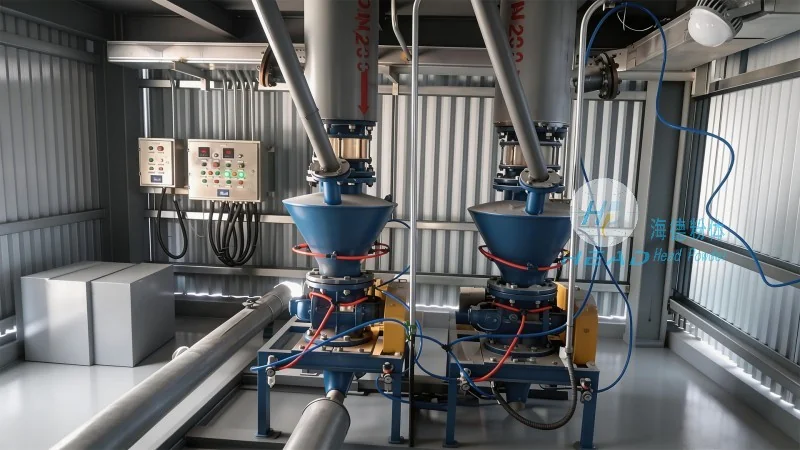
The feeder and hopper are the primary components for material intake. The hopper stores the rice bran and provides a consistent feed to the system. The feeder, often a rotary valve or screw feeder, controls the flow rate of the material into the pipeline. For rice bran, which can be prone to bridging or clogging, a well-designed feeder is crucial to maintain smooth operation and prevent material blockages.
Conveying Pipeline
The pipeline is the main channel for transporting the rice bran. It is typically made of stainless steel or other corrosion-resistant materials to withstand the acidic properties of rice bran and prevent contamination. The pipeline diameter and length are carefully selected based on the material's bulk density and the required flow rate. Proper pipeline design ensures minimal pressure drop and efficient material transport, reducing energy consumption and operational costs.
Air Handling Unit
The air handling unit includes the blower or vacuum pump, filters, and other accessories for air management. The blower in a pressure system provides the necessary positive pressure, while the vacuum pump in a vacuum system creates the negative pressure. Filters are critical to remove dust and particles from the air, preventing system blockages and maintaining air quality. Regular maintenance of the air handling unit is essential to ensure optimal performance and longevity of the system.
Receiver and Discharge Unit
The receiver is the final component where the rice bran is discharged from the pipeline. It is designed to collect the material and prevent it from escaping or being contaminated. The discharge unit, such as a rotary valve or gate valve, controls the flow of material out of the receiver. For rice bran applications, the receiver must be equipped with a dust collection system to comply with environmental regulations and maintain a clean working environment.
Application Analysis of Rice Bran Pneumatic Conveying Systems
The application of pneumatic conveying systems for rice bran varies based on the specific needs of the processing facility. The following are common applications where these systems are widely used.
From Storage to Processing Units
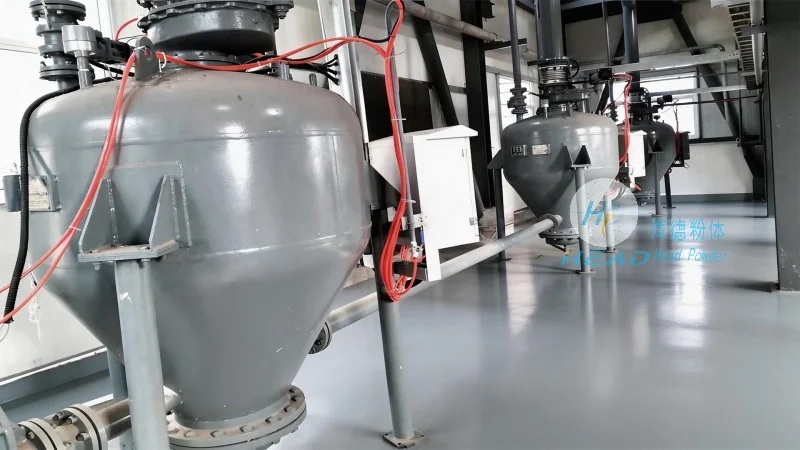
One of the most common applications is transporting rice bran from storage silos to processing units. This involves moving large quantities of material over short to medium distances. The pressure pneumatic system is often preferred for this scenario due to its high capacity and efficiency. The system can handle large volumes of rice bran, ensuring a steady supply to the processing equipment, such as oil extraction or refining units. The use of a pressure system minimizes the risk of material degradation and maintains the quality of the rice bran.
Between Processing Stages
Pneumatic conveying is also used to transfer rice bran between different processing stages, such as from the extraction unit to the refining unit or from the refining unit to the packaging line. This application requires a system that can handle varying material flow rates and maintain consistent quality. The vacuum system may be used in this case, especially if the distance between stages is longer or if the material needs to be transported from multiple points. The system ensures that the rice bran is transferred without contamination and with minimal loss, improving overall production efficiency.
Waste Management and Recycling
In some rice bran processing facilities, pneumatic conveying systems are used for waste management and recycling. This involves collecting waste materials from different parts of the plant and transporting them to a central disposal or recycling area. The vacuum system is suitable for this application as it can handle low-flow, fine materials and transport them over longer distances. The system helps in maintaining a clean and organized plant environment, reducing the risk of contamination and improving safety. The use of pneumatic conveying in waste management also reduces labor costs and improves the overall sustainability of the processing operation.
Operational Considerations and Best Practices
For the successful operation of rice bran pneumatic conveying systems, several considerations and best practices should be followed. These ensure the system operates efficiently, maintains material quality, and has a long service life.
Material Properties and Preparation
Before using a pneumatic conveying system, it is essential to understand the properties of the rice bran. Factors such as bulk density, moisture content, and particle size affect the system's performance. Rice bran can vary in these properties depending on the milling process and storage conditions. Proper preparation, such as drying or screening, can improve the material's flowability and reduce the risk of clogging. This preparation step is crucial for maintaining the efficiency of the feeder and the overall system.
System Sizing and Design
The correct sizing of the pneumatic conveying system is critical to ensure optimal performance. The system must be designed to handle the required flow rate and distance, considering the material's properties and the desired pressure or vacuum levels. Over-sizing or under-sizing the system can lead to inefficiencies, increased energy consumption, or system failure. Professional engineering and consultation with experts, such as those from Shandong HeadPowder Engineering Co., Ltd., are recommended to ensure the system is properly sized and designed for the specific application.
Maintenance and Cleaning
Regular maintenance and cleaning are essential to keep the pneumatic conveying system in good working condition. This includes cleaning the pipeline, filters, and other components to remove accumulated material and prevent blockages. The air handling unit and filters should be inspected and replaced regularly to maintain air quality and system performance. Proper maintenance can extend the life of the system and reduce the risk of breakdowns, ensuring continuous operation and productivity.




