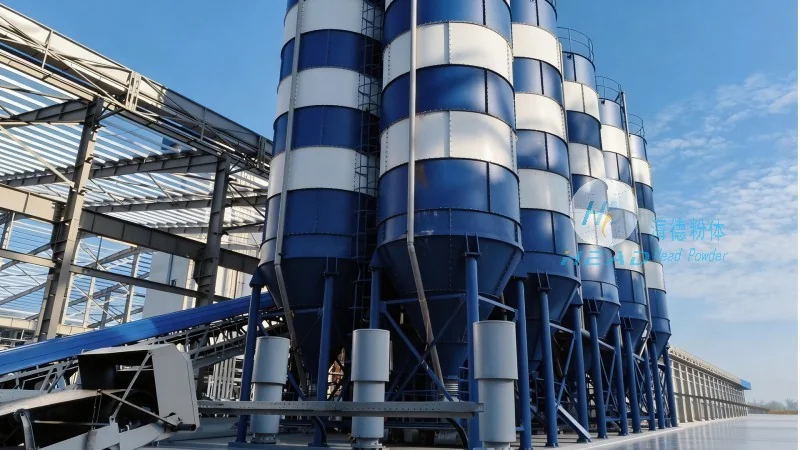
Manganese sulfate is a widely used chemical compound in various industrial applications, and its efficient handling and transportation are crucial for maintaining production efficiency. Pneumatic conveying is a key technology for transporting bulk materials like manganese sulfate, offering advantages such as dust-free operation, flexibility, and reduced labor costs. This article explores the concept of manganese sulfate pneumatic conveying, the different classifications of pneumatic conveying systems, and their practical applications in industrial settings.
Understanding Pneumatic Conveying
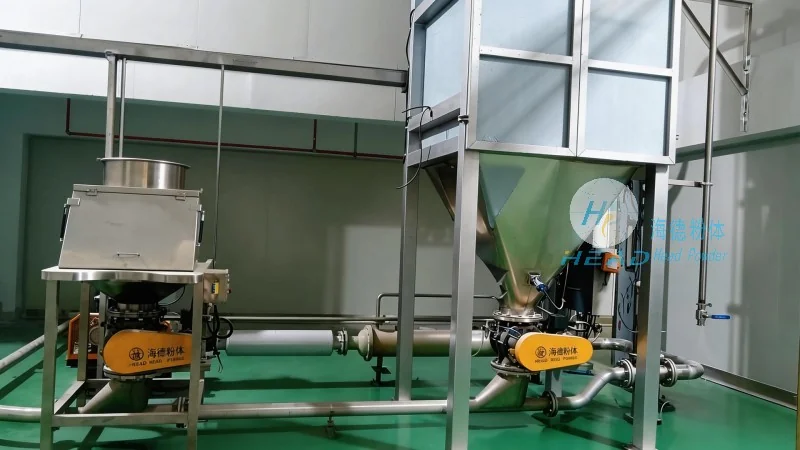
Pneumatic conveying, also known as pneumatic transport, is a method of transporting bulk materials through a pipeline using a stream of pressurized air or vacuum. In the context of manganese sulfate, this technology is particularly valuable due to the material's hygroscopic nature and the need for clean, controlled handling. The process involves feeding the material into a hopper, where it is then drawn or pushed through a pipeline by air pressure or suction. This method eliminates the need for mechanical components like conveyor belts or buckets, reducing maintenance and increasing safety.
Classification of Pneumatic Conveying Systems
Pneumatic conveying systems are typically classified based on the pressure used to move the material. The two main categories are pressure and vacuum systems.
1. Pressure Pneumatic Conveying: This system uses compressed air to push the material through the pipeline. It is suitable for short to medium distances and can handle a wide range of materials, including fine powders like manganese sulfate. The pressure is maintained by a blower or compressor, and the material is transported in a dense phase, which reduces particle degradation and improves efficiency.
2. Vacuum Pneumatic Conveying: This system uses a vacuum to draw the material from the source into the pipeline. It is ideal for long-distance transport and for handling materials that are difficult to push, such as those with high moisture content or sticky properties. The vacuum is created by a vacuum pump, and the material is transported in a dilute phase, which allows for larger particle sizes but may require more energy.
Applications of Pneumatic Conveying in Manganese Sulfate Handling
The use of pneumatic conveying in manganese sulfate processing offers several benefits, including improved material flow control, reduced contamination, and enhanced safety. Some common applications include:
1. Raw Material Transport: From storage silos or bulk containers to processing plants, pneumatic conveying ensures that manganese sulfate is transported without spillage or dust exposure. This is particularly important for maintaining product quality and meeting environmental regulations.
2. In-Plant Material Transfer: Within the manufacturing facility, pneumatic conveying can be used to move manganese sulfate between different processing stages, such as from grinding to mixing or from mixing to packaging. This allows for a continuous production line, reducing downtime and increasing productivity.
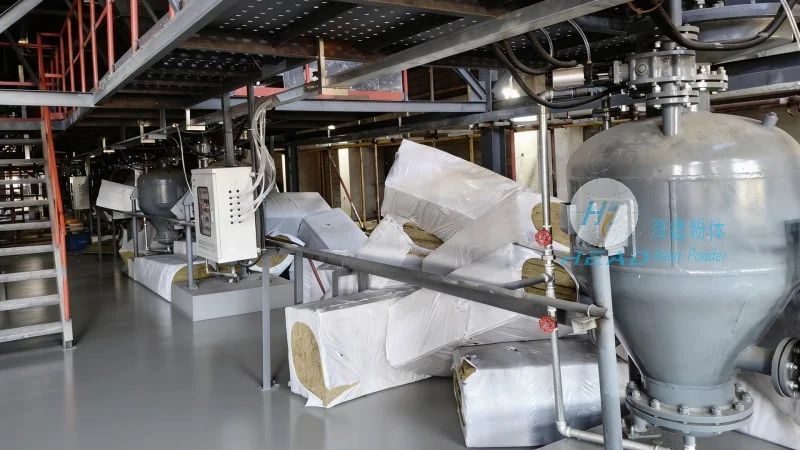
3. Packaging and Distribution: For the final packaging of manganese sulfate, pneumatic conveying can be used to transfer the material from bulk storage to packaging machines. This ensures a consistent flow of product, minimizing bottlenecks and improving packaging efficiency.
Advantages of Using Pneumatic Conveying for Manganese Sulfate
There are several advantages to implementing pneumatic conveying systems for manganese sulfate handling:
1. Dust-Free Operation: Unlike mechanical conveying systems, pneumatic conveying operates in a closed system, preventing dust from being released into the environment. This is crucial for maintaining a safe working environment and complying with environmental regulations.
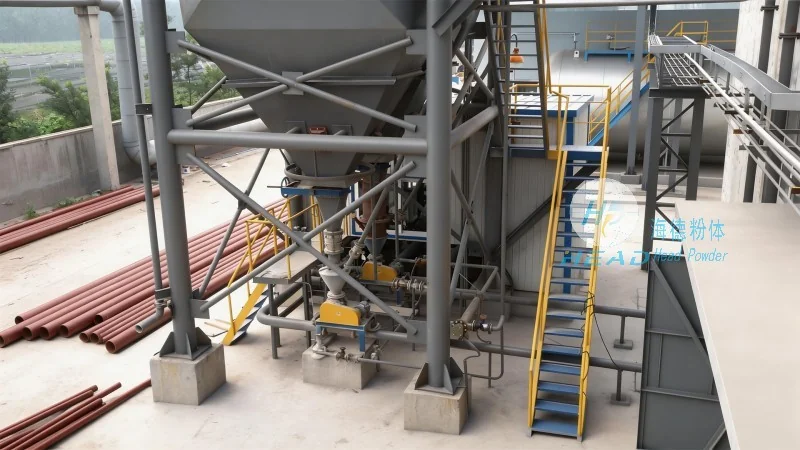
2. Flexibility and Scalability: Pneumatic conveying systems can be easily adjusted to handle different material types and quantities. They can be expanded or modified to accommodate changes in production volume or process requirements.
3. Reduced Maintenance: With fewer moving parts compared to mechanical systems, pneumatic conveying systems require less maintenance, resulting in lower operational costs and increased reliability.
4. Energy Efficiency: Modern pneumatic conveying systems are designed to be energy-efficient, using less power than traditional mechanical systems while maintaining high transport efficiency.
Conclusion
Pneumatic conveying is a highly effective method for transporting manganese sulfate, offering numerous benefits over traditional mechanical systems. By understanding the different classifications of pneumatic conveying and their applications, industrial facilities can optimize their material handling processes, improve efficiency, and ensure product quality. For companies seeking to implement or upgrade their pneumatic conveying systems, Shandong HeadPowder Engineering Co., Ltd., located in Shandong, China, provides specialized engineering and equipment solutions tailored to the unique needs of manganese sulfate processing.




