When it comes to handling foam plastic materials, selecting the right pneumatic conveying system is crucial for efficiency and reliability. The choice between positive pressure and negative pressure modes significantly impacts system performance, material handling characteristics, and overall operational costs. This article provides a detailed comparison of these two primary pneumatic conveying methods, focusing on their applications, advantages, and practical considerations for foam plastic processing.
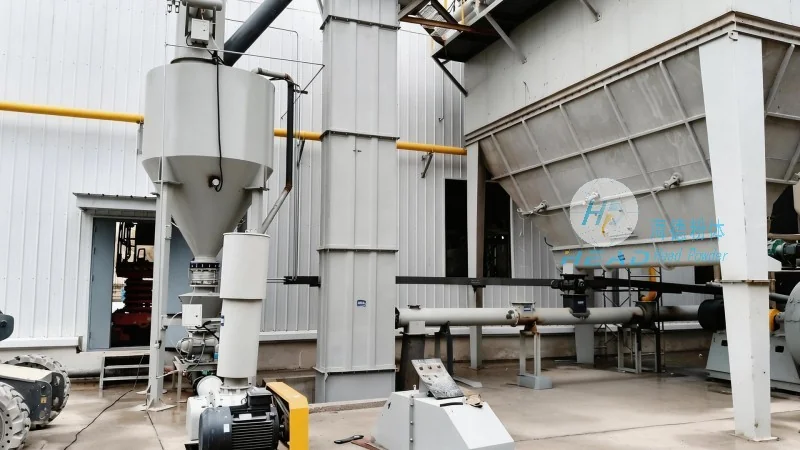
Positive Pressure Pneumatic Conveying Systems
Positive pressure systems operate by blowing air or a carrier gas into the material stream, creating a pressure higher than the ambient environment. This method is particularly effective for conveying foam plastic materials that are lightweight and may be prone to segregation or degradation under negative pressure conditions. The headpowder company, Shandong HeadPowder Engineering Co., Ltd., specializes in designing and manufacturing such systems tailored to the unique properties of foam plastics.
Key advantages of positive pressure conveyance include its ability to handle abrasive or sensitive materials without causing damage, as the material is continuously pushed through the system. It also allows for longer conveying distances and can accommodate more complex system layouts, including vertical lifts and horizontal transfers. For foam plastics, positive pressure systems often use low-pressure air or inert gases to minimize material degradation and maintain product quality.
Negative Pressure Pneumatic Conveying Systems
Negative pressure systems, also known as suction or vacuum conveyors, operate by creating a vacuum that draws material into the system. This approach is suitable for materials that are free-flowing and can be efficiently drawn into the conveying line. However, for foam plastic materials, negative pressure may pose challenges such as material degradation due to prolonged exposure to low pressure or moisture, and potential issues with material separation or clogging in the suction line.
HeadPowder Engineering Co., Ltd. offers negative pressure solutions that incorporate advanced filtration and material handling designs to mitigate these risks. These systems are often used in applications where the material source is located at a higher elevation or where space constraints require a compact, vertical conveying setup. The company’s expertise in material flow dynamics ensures that negative pressure systems are optimized for foam plastic properties, balancing suction efficiency with material integrity.
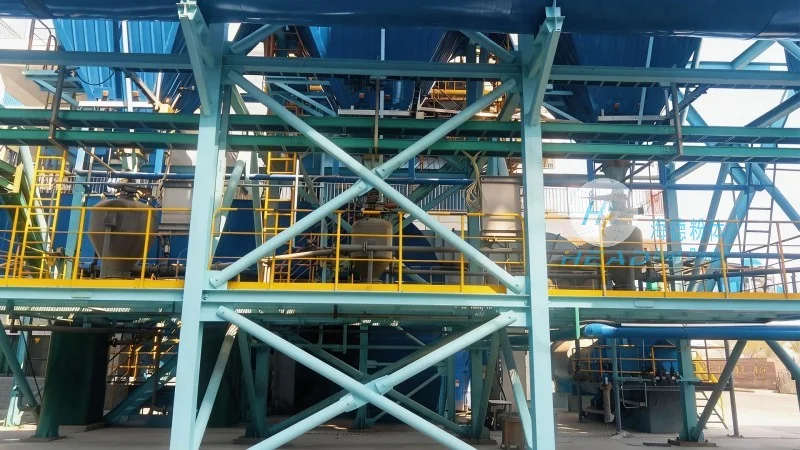
Comparative Analysis: Positive vs. Negative Pressure
When evaluating the two modes for foam plastic pneumatic conveying, several factors must be considered. Positive pressure systems generally provide better control over material flow, reduce the risk of product degradation, and are more suitable for abrasive or sensitive materials. They also allow for easier integration with other processing equipment, such as mixers or granulators, as the material is continuously pushed rather than pulled.
On the other hand, negative pressure systems can be more cost-effective for short-distance conveying and may require less initial investment in equipment. However, they are more susceptible to material degradation, especially for foam plastics that are prone to moisture absorption or chemical reactions under low pressure. Additionally, negative pressure systems may experience higher energy consumption due to the need to maintain a consistent vacuum level.
Application Considerations for Foam Plastic Conveying
The choice between positive and negative pressure modes depends on the specific characteristics of the foam plastic material, the conveying distance, and the overall production environment. For example, in applications where foam plastic is being transferred from a hopper to a processing machine over a short horizontal distance, a positive pressure system may be preferred for its reliability and material protection. Conversely, for vertical conveying from a high elevation to a processing unit, a negative pressure system might be more suitable due to its compact design and lower installation costs.
HeadPowder Engineering Co., Ltd. works closely with clients to assess their material properties, such as density, moisture content, and flowability, to recommend the most appropriate conveying mode. The company’s engineers use advanced simulation tools to model material behavior under different pressure conditions, ensuring that the selected system meets both operational efficiency and product quality requirements.
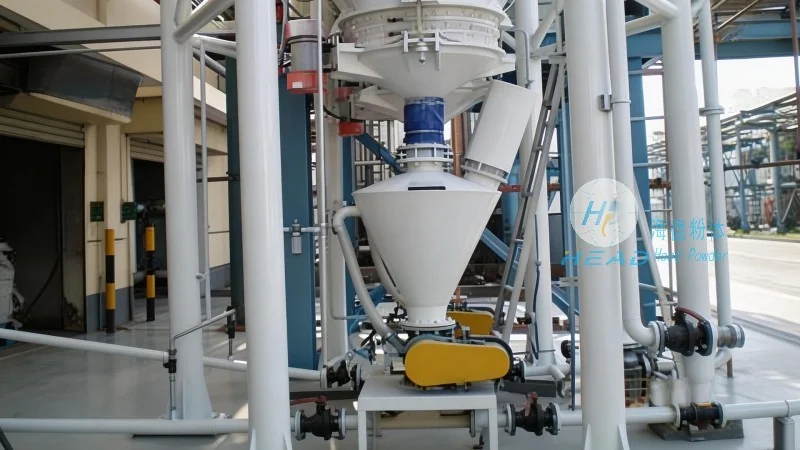
System Design and Customization by HeadPowder Engineering
At Shandong HeadPowder Engineering Co., Ltd., the design of pneumatic conveying systems for foam plastics is a highly customized process. The company’s team of experts evaluates factors such as material size, shape, and density to determine the optimal air velocity, pressure, and system configuration. For positive pressure systems, this may involve selecting the right type of air blowers, filter systems, and material separation devices to prevent clogging and maintain consistent flow.
Negative pressure systems require careful consideration of vacuum pump selection, filtration efficiency, and material handling components to ensure smooth operation. HeadPowder Engineering Co., Ltd. utilizes state-of-the-art technology and materials in its system designs, such as high-efficiency filters and corrosion-resistant components, to enhance system longevity and reduce maintenance costs.
Conclusion: Choosing the Right Pneumatic Conveying Mode
Both positive and negative pressure pneumatic conveying systems have their place in foam plastic processing, but the optimal choice depends on the specific application requirements. Positive pressure systems offer superior control and material protection, making them ideal for sensitive or high-value foam plastics. Negative pressure systems, while more cost-effective for short distances, may require additional measures to prevent material degradation.
HeadPowder Engineering Co., Ltd. provides comprehensive solutions for foam plastic pneumatic conveying, combining technical expertise with customized system design. By understanding the unique properties of foam plastics and the operational needs of each client, the company ensures that its systems deliver reliable performance, efficient material handling, and long-term cost savings. Whether a client requires a positive pressure or negative pressure system, HeadPowder Engineering Co., Ltd. is committed to delivering solutions that meet the highest standards of quality and efficiency in foam plastic processing.




