Pneumatic conveying technology has become a critical solution for transporting bulk materials like soda ash efficiently and safely. This article delves into the two primary methods—negative pressure and positive pressure systems—exploring their mechanisms, advantages, and practical applications. By understanding the nuances of each approach, industries can optimize material handling processes while ensuring operational efficiency and product integrity.
About HeadPowder Engineering
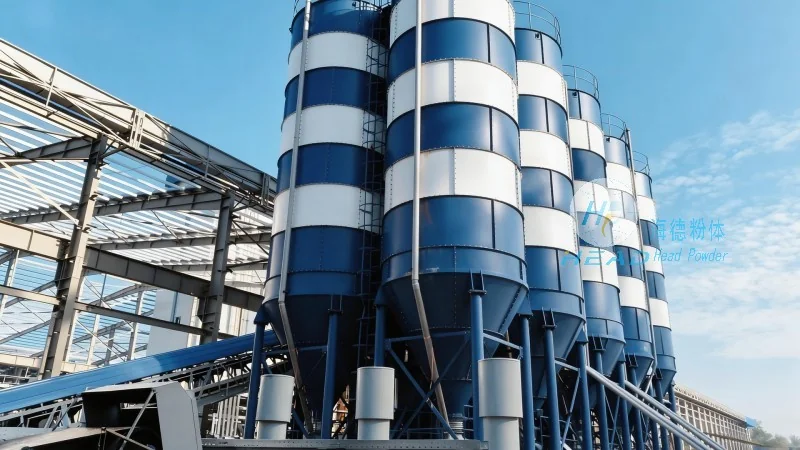
HeadPowder, formally known as Shandong HeadPowder Engineering Co., Ltd., is a leading provider of specialized engineering solutions for bulk material handling. With a strong presence in China, particularly in Shandong, the company focuses on delivering innovative pneumatic conveying systems tailored to the unique needs of the soda ash industry. Their expertise lies in designing and implementing systems that enhance productivity, reduce downtime, and maintain the quality of transported materials.
Negative Pressure (Suction) Pneumatic Conveying Systems
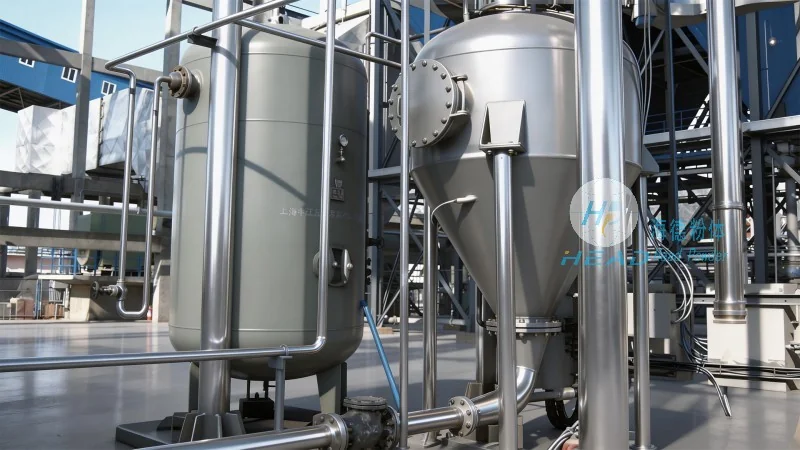
Negative pressure systems operate by creating a vacuum at the material source, drawing the bulk material into a pipeline using air. This method is particularly effective for applications requiring gentle handling, as the low pressure reduces the risk of product degradation or breakage. The system typically consists of a suction hopper, a filter, and a fan that generates the vacuum. The air and material mixture is then separated at the receiving end, with the material collected and the air filtered before release. Key advantages include the ability to convey materials over longer distances with fewer transfer points and the flexibility to handle a wide range of particle sizes. However, negative pressure systems may face challenges with dust containment and require careful maintenance to prevent air leaks, which could compromise efficiency and safety.
Positive Pressure (Pressure) Pneumatic Conveying Systems
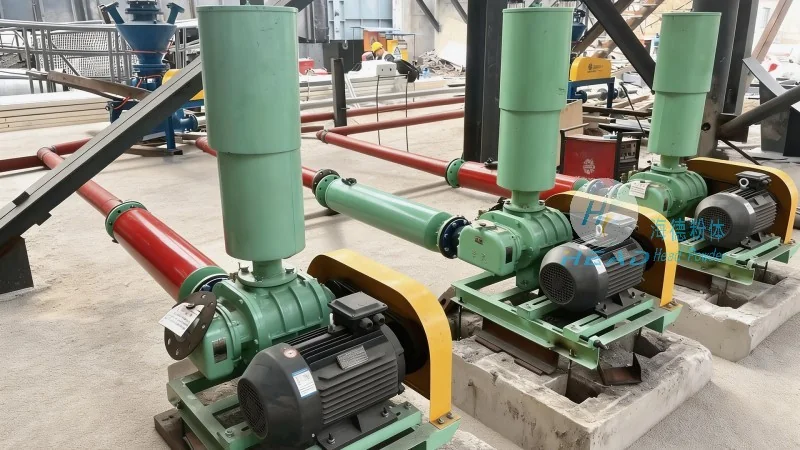
Positive pressure systems, conversely, use compressed air to push the material through the pipeline. This approach is ideal for applications where high pressure is needed to overcome significant resistance or to transport materials over short to medium distances. The system includes a blower, a material feeder, and a pipeline network. The compressed air forces the material to move, ensuring consistent flow and preventing material buildup. Positive pressure systems are often preferred for abrasive or corrosive materials, as the high pressure helps maintain the integrity of the pipeline and the material. They also offer better control over the conveying rate and can handle larger particle sizes more effectively. Nonetheless, these systems may require more robust equipment and higher energy consumption compared to negative pressure alternatives.
Application Considerations and System Selection
The choice between negative and positive pressure pneumatic conveying systems depends on several factors, including the material characteristics, distance to be conveyed, and operational environment. For soda ash, which is often a fine, light material, negative pressure systems may be more suitable due to their gentle handling and lower risk of dust generation. However, if the material needs to be transported over longer distances or through complex piping networks, positive pressure systems might offer better performance. HeadPowder Engineering specializes in evaluating these factors and designing customized systems that align with the specific requirements of each client. Their solutions are engineered to maximize efficiency while minimizing operational costs and ensuring compliance with industry standards.
Conclusion
Pneumatic conveying technology, whether negative or positive pressure, plays a vital role in modern bulk material handling. By leveraging the expertise of companies like Shandong HeadPowder Engineering Co., Ltd., industries can enhance their material transport processes, improve product quality, and achieve greater operational efficiency. The careful selection and implementation of the appropriate pneumatic conveying system are essential for optimizing performance and meeting the demands of the soda ash industry. With a focus on innovation and customer-centric solutions, HeadPowder continues to advance the capabilities of pneumatic conveying technology, supporting the growth and sustainability of bulk material handling operations worldwide.




