HeadPowder Pneumatic Conveying Technology: In-Depth Analysis of Vacuum and Positive Pressure Systems and Applications
Introduction to Pneumatic Conveying Systems
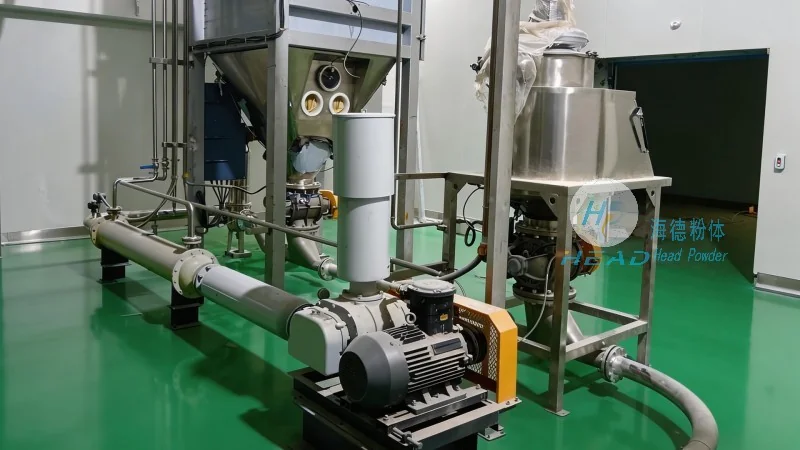
Pneumatic conveying is a critical process in material handling, enabling the efficient transport of bulk materials through the use of air or other gases. This technology is widely utilized across various industries, including food processing, pharmaceuticals, and chemical manufacturing, due to its ability to handle a diverse range of materials with minimal contamination and high operational flexibility. The two primary types of pneumatic conveying systems are vacuum and positive pressure systems, each offering distinct advantages and applications.
Vacuum Pneumatic Conveying Systems
Vacuum pneumatic conveying systems operate by creating a negative pressure environment at the material inlet, which draws the material into the conveying line. This method is particularly effective for transporting materials from multiple source points to a central collection point, as it can accommodate longer distances and multiple pickup locations. The system typically consists of a vacuum pump, a material feed hopper, and a conveying line that connects the source to the destination. The vacuum pump generates the necessary suction force, while the feed hopper ensures a consistent material supply. One of the key advantages of vacuum systems is their ability to handle fine powders and granules without causing excessive dust generation, making them suitable for applications where product purity is paramount. However, vacuum systems may have limitations in terms of the maximum conveying distance and the capacity of materials that can be transported, as the suction force diminishes with distance and material density.
Positive Pressure Pneumatic Conveying Systems
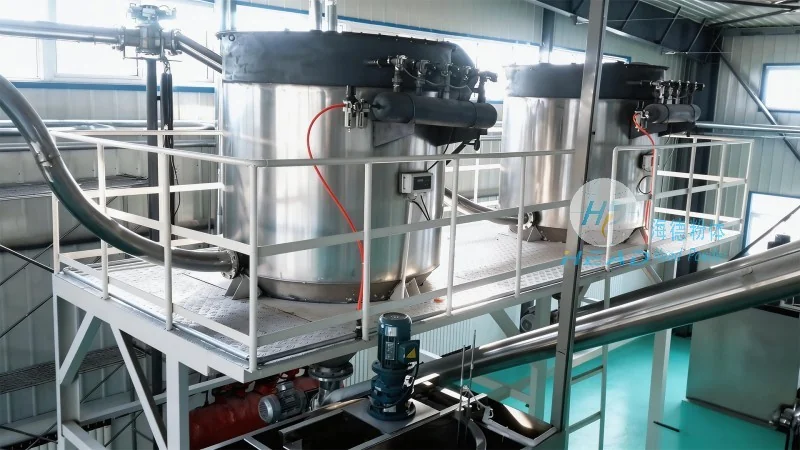
Positive pressure pneumatic conveying systems, on the other hand, operate by forcing air or gas under pressure into the material to be conveyed. This approach generates a positive pressure within the conveying line, pushing the material from the source to the destination. Positive pressure systems are often preferred for applications requiring high material throughput and the ability to transport materials over longer distances without significant pressure loss. The system typically includes a blower or compressor, a material feed hopper, and a conveying line with a pressure vessel or receiver at the end. The blower provides the necessary pressure to move the material, and the pressure vessel helps maintain consistent pressure and prevent backflow. A significant advantage of positive pressure systems is their ability to handle abrasive and corrosive materials, as the high-pressure air can effectively transport these materials without causing excessive wear on the system components. Additionally, positive pressure systems can be designed to handle a wide range of material sizes and shapes, including lumps and irregularly shaped particles.
Key Differences and Applications
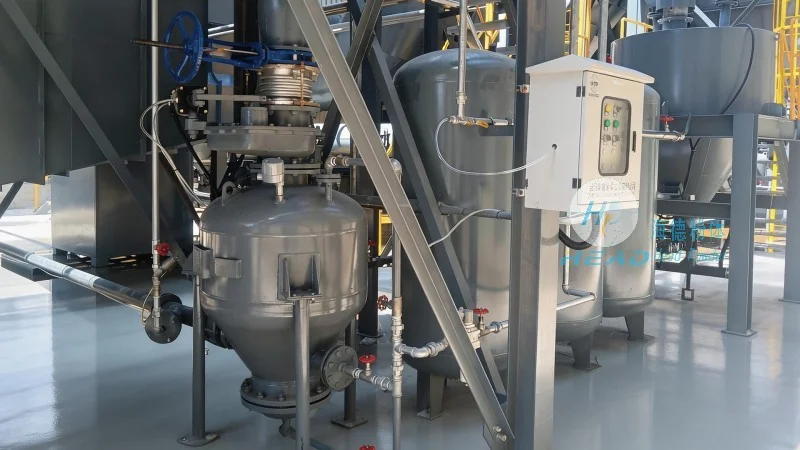
When comparing vacuum and positive pressure pneumatic conveying systems, several factors must be considered to determine the most suitable option for a given application. The primary difference lies in the direction of air flow and the pressure differential. Vacuum systems rely on suction, while positive pressure systems rely on pressure. This fundamental difference impacts the system's ability to handle material characteristics, such as particle size, density, and moisture content. For instance, vacuum systems are often preferred for transporting fine powders and materials that are sensitive to pressure changes, as the low-pressure environment minimizes product degradation. In contrast, positive pressure systems are better suited for handling bulk materials with higher particle sizes and densities, as the high-pressure air can effectively move these materials over longer distances. Another critical factor is the system's suitability for different operational environments. Vacuum systems are generally more suitable for indoor applications where dust control is essential, as the suction process helps maintain a clean environment. Positive pressure systems, while more robust, may require additional dust control measures due to the high-pressure air being expelled from the system.
HeadPowder Engineering's Expertise in Pneumatic Conveying
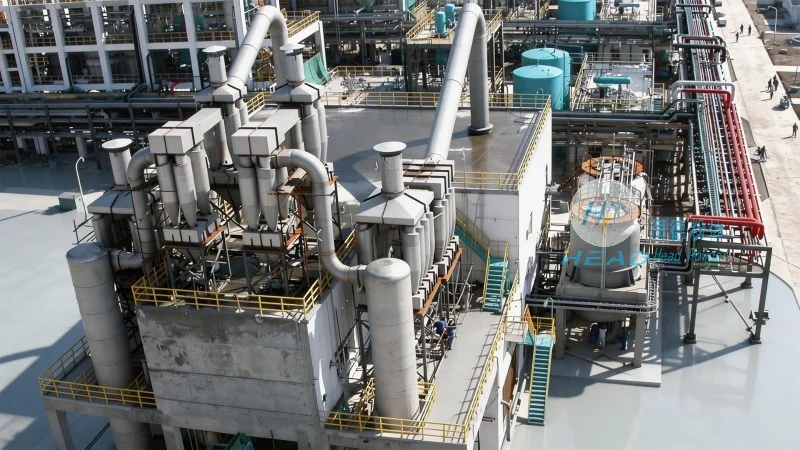
Shandong HeadPowder Engineering Co., Ltd., commonly known as HeadPowder, is a leading provider of advanced pneumatic conveying solutions. With a strong focus on innovation and customer-centric design, HeadPowder specializes in the development and implementation of both vacuum and positive pressure pneumatic conveying systems tailored to the specific needs of various industries. The company's expertise lies in understanding the unique challenges of material handling and designing systems that optimize efficiency, reliability, and safety. HeadPowder's team of engineers and technicians work closely with clients to assess their material characteristics, operational requirements, and site constraints, ensuring that the selected pneumatic conveying system meets all performance and regulatory standards. The company's commitment to quality is evident in its adherence to international standards and rigorous testing protocols, which guarantee the durability and longevity of its systems. HeadPowder's solutions are designed to address the specific challenges of each application, whether it involves transporting fine powders in the pharmaceutical industry or bulk materials in the chemical sector. By leveraging its deep understanding of pneumatic conveying principles and advanced engineering capabilities, HeadPowder provides clients with reliable and efficient material handling solutions that enhance productivity and reduce operational costs.
Conclusion
In conclusion, pneumatic conveying systems, particularly vacuum and positive pressure variants, offer significant advantages in material handling across diverse industries. The choice between these systems depends on factors such as material characteristics, conveying distance, and operational requirements. Vacuum systems excel in handling fine powders and sensitive materials, while positive pressure systems are better suited for bulk materials and longer distances. HeadPowder Engineering, with its expertise and commitment to quality, provides tailored pneumatic conveying solutions that address the unique needs of clients. By understanding the fundamental differences between vacuum and positive pressure systems and leveraging advanced engineering, HeadPowder helps industries optimize their material handling processes, ensuring efficiency, reliability, and safety.




