Iron chip pneumatic conveying is a critical process in industrial material handling, particularly for transporting iron chips efficiently and safely. This technology involves the use of air or gas to move solid particles through a pipeline system. The two primary methods of pneumatic conveying for iron chips are negative pressure (suction) and positive pressure (blowing) systems, each with distinct characteristics and applications.
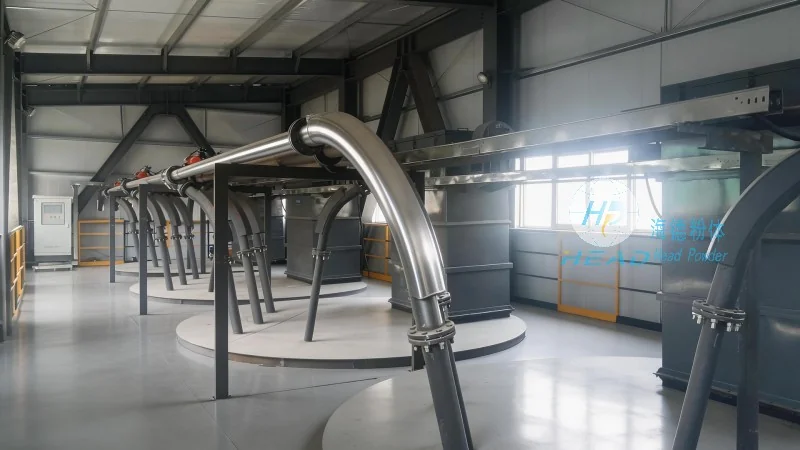
Understanding Negative Pressure (Suction) Pneumatic Conveying
Negative pressure systems, also known as suction or vacuum conveying, operate by creating a low-pressure zone at the material intake point. This is achieved by drawing air and the iron chips into the system using a vacuum pump. The key components of a negative pressure system include a vacuum pump, a material intake hopper, a filter, and a discharge point. These systems are ideal for applications where the material needs to be transported from a lower elevation or over a short distance, and where the risk of dust emission is a concern. The negative pressure approach ensures that the material is drawn into the system without generating excessive air pressure, which can be beneficial for handling fine or dusty iron chips. The system's design typically includes a filter to capture any fine particles, preventing them from being released into the environment. This makes negative pressure conveying suitable for indoor or enclosed environments where dust control is essential.
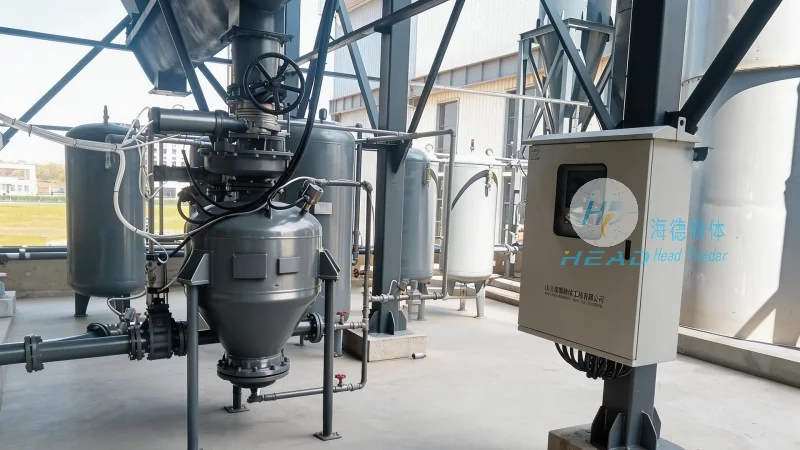
Exploring Positive Pressure (Blowing) Pneumatic Conveying
Positive pressure systems, or blowing systems, work by generating high-pressure air that pushes the iron chips through the pipeline. The system includes a blower, a material loading hopper, and a discharge point. Unlike negative pressure systems, positive pressure systems do not rely on vacuum but instead use compressed air to move the material. This method is often preferred for longer distances or when the material needs to be elevated to a higher level. Positive pressure conveying can handle a wider range of particle sizes and is generally more robust for handling abrasive materials like iron chips. However, it may generate more dust and require more maintenance due to the higher air pressure involved. The choice between negative and positive pressure depends on factors such as the distance of transport, the elevation change, the material properties, and the environmental considerations.
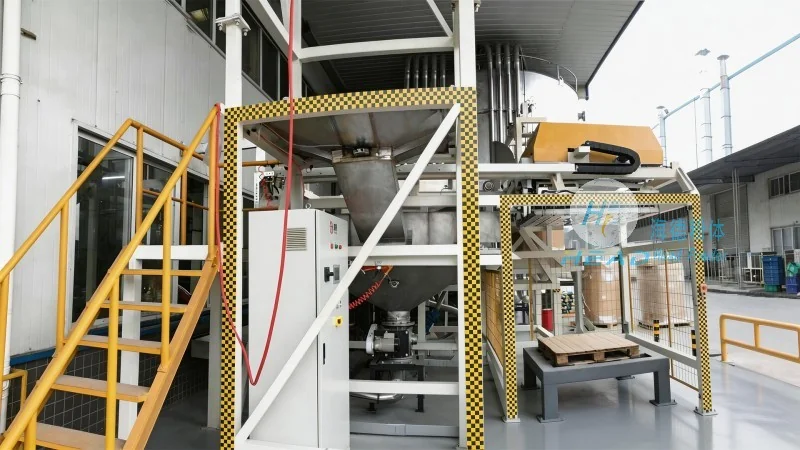
Key Components and Design Considerations for Iron Chip Conveying
Both negative and positive pressure systems share some common components, but their design varies based on the conveying method. The core components include the air mover (vacuum pump or blower), the material handling equipment (hopper, feeder, and discharge valve), and the pipeline system. For iron chips, which can be abrasive and potentially cause wear, the pipeline material is typically selected to withstand the impact and friction. Stainless steel or special alloys are often used for the pipeline and fittings to ensure durability and prevent corrosion. The hopper and feeder are designed to control the flow of iron chips into the system, preventing blockages and ensuring consistent material feed. The filter in negative pressure systems is crucial for capturing fine particles and maintaining air quality. In positive pressure systems, the blower must be capable of handling the specific air volume and pressure required for the conveying task. The system's control mechanisms, such as pressure sensors and flow meters, help monitor and adjust the conveying process to maintain efficiency and prevent system failures.
Applications and Benefits of Iron Chip Pneumatic Conveying
The application of iron chip pneumatic conveying spans various industries, including metalworking, foundries, and recycling. In metalworking facilities, iron chips are generated during machining operations and need to be transported to a collection or recycling area. Pneumatic conveying systems efficiently collect these chips from multiple machining stations and transport them to a central location for processing. This reduces the need for manual handling, which is both labor-intensive and hazardous. In foundries, iron chips are often used as a raw material for re-melting, and pneumatic conveying ensures that the chips are delivered to the melting furnace in a controlled manner. The benefits of pneumatic conveying include improved safety by reducing manual handling, increased efficiency by automating the material transport process, and reduced downtime due to fewer blockages compared to mechanical systems. Additionally, pneumatic systems can handle a wide range of particle sizes and can be integrated with other processing equipment, making them versatile for different industrial applications.
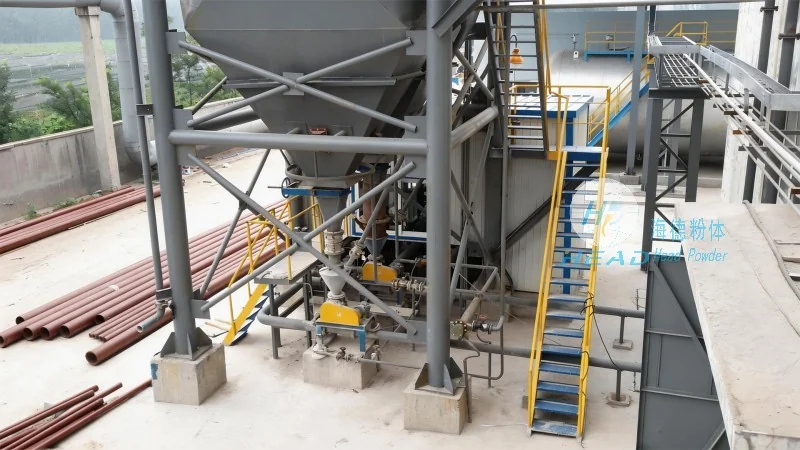
Choosing the Right Pneumatic Conveying System for Iron Chips
When selecting a pneumatic conveying system for iron chips, several factors must be considered to ensure optimal performance and efficiency. The first consideration is the distance and elevation change between the intake and discharge points. For short distances and low elevation changes, a negative pressure system may be sufficient. However, for longer distances or when the material needs to be elevated, a positive pressure system is more appropriate. The material properties of the iron chips, such as their size, shape, and abrasiveness, also play a crucial role in system selection. Abrasive materials like iron chips can cause significant wear on the system components, so the design must account for this to extend the system's lifespan. Environmental factors, such as the need to control dust emissions, may also influence the choice between negative and positive pressure systems. Negative pressure systems are generally better for indoor applications where dust control is critical, while positive pressure systems may require additional dust collection equipment for outdoor use. Cost is another important factor, as both system types have different installation and maintenance costs. A thorough analysis of the specific requirements, including the volume of material to be conveyed, the system layout, and the operational environment, is essential to choose the right system.




