Efficient and reliable material handling is a critical aspect of modern mining and processing operations, particularly when dealing with copper concentrate powders. The choice of pneumatic conveying system—whether negative pressure or positive pressure—plays a pivotal role in ensuring optimal performance, safety, and cost-effectiveness. This article provides a comprehensive exploration of both negative pressure and positive pressure pneumatic conveying technologies for copper concentrate powders, highlighting their mechanisms, advantages, and practical applications.
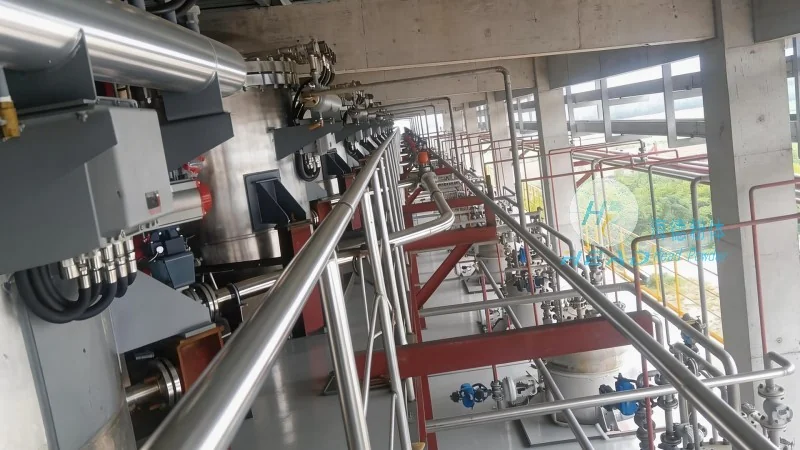
Negative Pressure Pneumatic Conveying Systems
Negative pressure, or suction, pneumatic conveying systems operate by creating a low-pressure zone at the material inlet, drawing the copper concentrate powder into the conveying line using a vacuum pump. This method is particularly suitable for applications where the material needs to be transported from multiple source points to a central collection point, such as in ore processing plants. The key components of a negative pressure system include a vacuum pump, a filter, and a receiver. The vacuum pump generates the necessary suction force, while the filter removes dust and particulates from the air, ensuring compliance with environmental regulations. The receiver stores the conveyed material before it is transferred to the next processing stage.
One of the primary advantages of negative pressure systems is their ability to handle materials with high moisture content or fine particles, as the suction action helps to prevent material buildup and blockages. Additionally, these systems are often more energy-efficient compared to positive pressure systems, as they require less power to operate. However, negative pressure systems may have limitations in terms of conveying distance and material capacity, as the suction force diminishes with distance and the presence of bends or fittings.
Positive Pressure Pneumatic Conveying Systems
Positive pressure, or pressure, pneumatic conveying systems work by compressing air and forcing it through the conveying line, pushing the copper concentrate powder from the source to the destination. This approach is ideal for applications requiring long-distance transport or when the material needs to be discharged at a higher elevation. The main components of a positive pressure system include a blower, a filter, and a discharge valve. The blower provides the necessary pressure to move the material, while the filter ensures that the air remains clean and free from contaminants. The discharge valve controls the flow of material from the conveying line to the receiver.
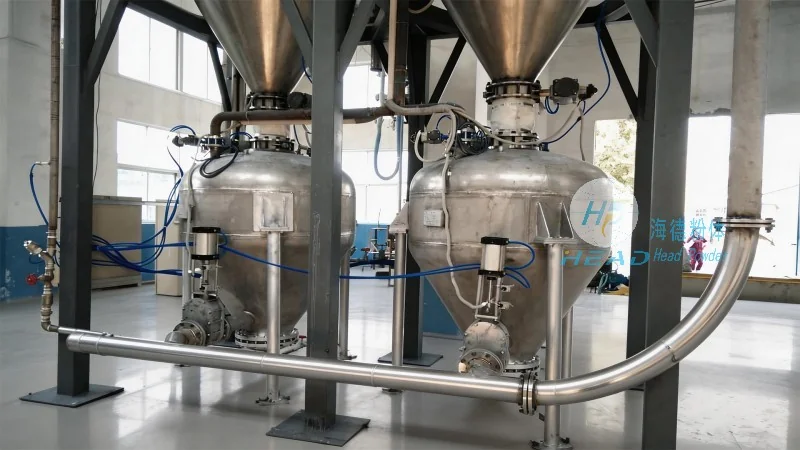
Positive pressure systems are generally more suitable for handling abrasive or corrosive materials, as the high-pressure air helps to maintain the integrity of the conveying line and prevent material degradation. They also offer greater flexibility in terms of conveying distance and material throughput, as the pressure can be adjusted to accommodate different operational requirements. Nevertheless, positive pressure systems may require more maintenance due to the higher stress on components and the potential for increased energy consumption compared to negative pressure systems.
Key Considerations for Selecting the Right System
When choosing between negative and positive pressure pneumatic conveying systems for copper concentrate powders, several factors must be considered. These include the material characteristics (e.g., particle size, moisture content, density), the distance and elevation changes, the required throughput, and the available space for installation. For instance, if the copper concentrate is being transported from multiple points to a central storage facility, a negative pressure system may be more appropriate due to its ability to handle multiple inlets. Conversely, if the material needs to be transported over long distances or to a higher elevation, a positive pressure system would be more suitable.
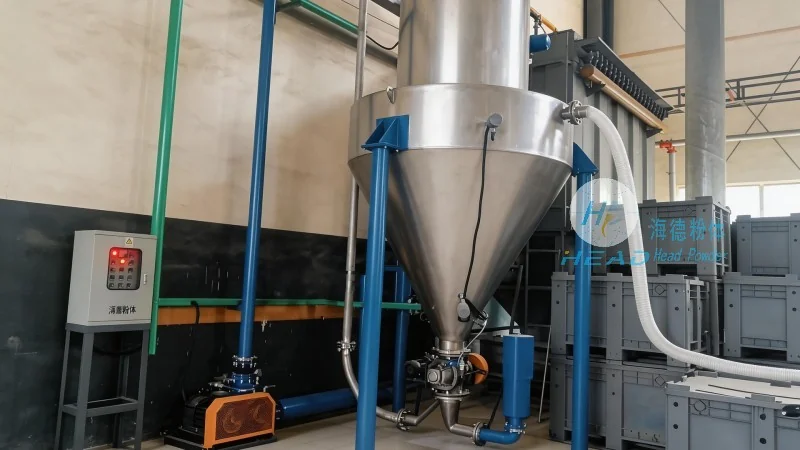
Another critical consideration is the environmental impact and regulatory compliance. Both systems must be equipped with effective filtration and dust control measures to minimize air pollution and ensure adherence to local environmental standards. The choice of system also affects the overall cost of operation, including energy consumption, maintenance, and equipment lifespan. A thorough analysis of these factors is essential to select the most efficient and cost-effective pneumatic conveying solution for copper concentrate powder handling.
Application Examples in Copper Processing
HeadPowder Engineering, a leading provider of engineering solutions for material handling, has extensive experience in implementing both negative and positive pressure pneumatic conveying systems for copper processing facilities. For example, in a large-scale copper mine in Shandong, China, HeadPowder designed and installed a negative pressure system to transport copper concentrate from multiple ore bins to a central mill. The system successfully handled fine particles with high moisture content, maintaining a consistent flow rate and minimizing material loss. In another project, HeadPowder implemented a positive pressure system to convey copper concentrate over a distance of 500 meters to a processing plant, achieving a throughput of 200 tons per hour while ensuring minimal air pollution.
These case studies demonstrate the effectiveness of both negative and positive pressure systems in copper processing applications. The choice of system depends on the specific operational requirements and material characteristics, and HeadPowder's expertise ensures that the most suitable solution is selected and implemented to meet the client's needs.




