Titanium dioxide, a critical white pigment used in a wide range of industries including paints, coatings, plastics, and paper, requires efficient and reliable material handling solutions to ensure consistent quality and operational efficiency. Pneumatic conveying systems have emerged as a preferred method for transporting titanium dioxide, offering advantages such as dust control, reduced contamination, and the ability to handle fine powders with precision. This article delves into the two primary pneumatic conveying approaches—negative pressure (suction) and positive pressure (blowing)—providing a comprehensive overview of their mechanisms, applications, and key considerations for implementation. HeadPowder Engineering Co., Ltd., a leading provider of material handling solutions, specializes in designing and implementing pneumatic conveying systems tailored to the unique needs of the titanium dioxide industry.
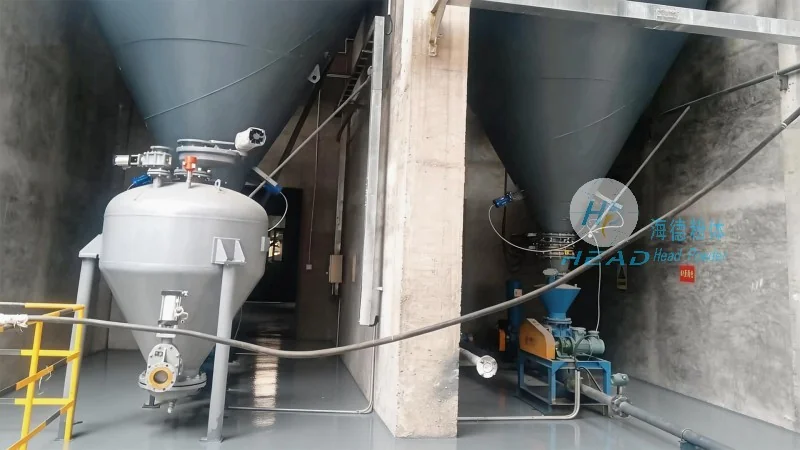
Understanding Pneumatic Conveying Systems for Titanium Dioxide
Pneumatic conveying systems utilize air or gas to transport bulk materials like titanium dioxide through a pipeline network. The choice between negative pressure and positive pressure systems depends on factors such as material characteristics, distance, and system layout. Both systems have distinct advantages and are suitable for different operational scenarios.
Negative Pressure (Suction) Pneumatic Conveying Systems
Negative pressure systems operate by creating a vacuum at the material inlet, drawing the titanium dioxide powder into the pipeline using a vacuum pump. This approach is particularly effective for applications where the material source is located at a higher elevation or where the system needs to handle fine powders without generating excessive pressure. The vacuum pump pulls air and powder mixture through the pipeline, with the material being separated from the air at the receiver end using a cyclone or filter. A key advantage of negative pressure systems is their ability to handle long distances and multiple transfer points without the need for high-pressure equipment. However, they may be less efficient for transporting materials over short distances or when dealing with high-volume flows, as the vacuum pump must work harder to maintain the required suction pressure.
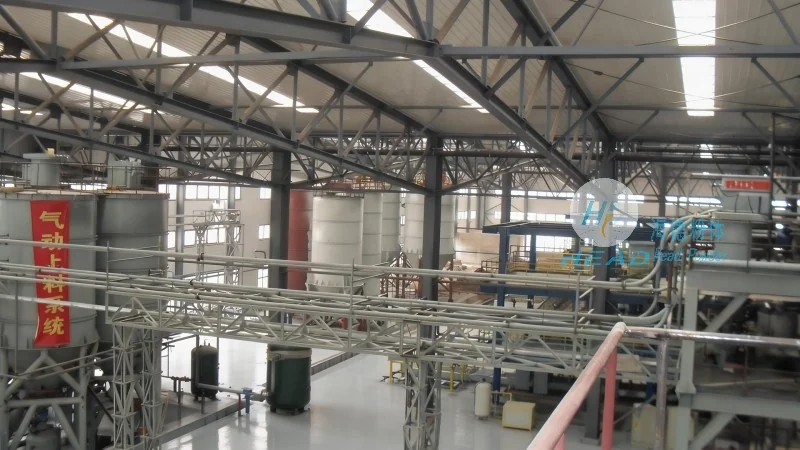
Positive Pressure (Blowing) Pneumatic Conveying Systems
Positive pressure systems, conversely, use a blower or compressor to generate pressure and push the titanium dioxide powder through the pipeline. The material is introduced at the source, and the high-pressure air forces the powder to move towards the receiver. This method is often preferred for short to medium distance transfers, where the material source is at a lower elevation or when the system requires high flow rates. Positive pressure systems are generally more efficient for handling larger volumes and can accommodate more complex pipeline configurations, including vertical lifts and multiple branches. However, they may generate higher levels of dust and require more robust equipment to withstand the higher pressures involved.
Key Considerations for System Selection
When selecting between negative and positive pressure systems for titanium dioxide handling, several factors must be evaluated. The distance between the material source and receiver is a primary consideration, as negative pressure systems are better suited for longer distances, while positive pressure systems excel in shorter to medium-range applications. Material characteristics, such as particle size, moisture content, and abrasiveness, also play a role, as they affect the system's efficiency and maintenance requirements. Additionally, the system's capacity and the need for dust control should be considered, as both negative and positive pressure systems can be equipped with filtration and cyclone systems to minimize environmental impact. The overall cost of installation and operation, including energy consumption and equipment maintenance, is another critical factor in the decision-making process.
Applications of Pneumatic Conveying in Titanium Dioxide Handling
Pneumatic conveying systems are widely used in the titanium dioxide industry for various applications, including raw material transport from storage silos to processing facilities, intermediate product transfer between production stages, and final product delivery to packaging or shipping areas. The ability to handle fine powders with minimal contamination makes these systems ideal for maintaining the high purity standards required in titanium dioxide applications. For example, in paint and coating manufacturing, negative pressure systems are often used to transfer titanium dioxide from bulk storage to mixing tanks, ensuring a consistent feed rate and preventing material buildup in the pipeline. In contrast, positive pressure systems may be employed in plastic manufacturing plants to transport titanium dioxide from grinding and classification units to extrusion lines, where high flow rates and efficient material transfer are essential.
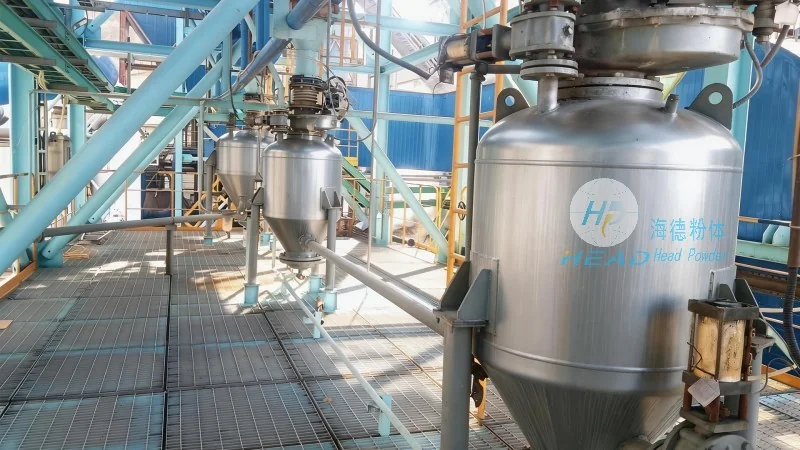
Advantages and Challenges of Pneumatic Conveying
Both negative and positive pressure pneumatic conveying systems offer significant advantages for titanium dioxide handling, including reduced labor costs, improved safety by minimizing manual handling of powders, and enhanced process control. However, challenges such as system maintenance, energy efficiency, and material handling efficiency must be addressed to maximize operational performance. Regular maintenance of vacuum pumps and blowers is crucial to ensure consistent system performance, while energy consumption can be optimized through the selection of appropriate air volumes and system design. Material handling efficiency can be improved by optimizing pipeline layout, reducing bends and fittings, and using appropriate air velocities to prevent material deposition or blockages.
Conclusion
In conclusion, pneumatic conveying systems represent a highly effective solution for the transportation of titanium dioxide, with negative and positive pressure approaches each offering unique benefits tailored to specific operational needs. The choice between these systems depends on factors such as distance, material characteristics, and system requirements. By understanding the mechanisms, applications, and considerations associated with both negative and positive pressure pneumatic conveying, industry professionals can select the most suitable system to enhance operational efficiency, maintain product quality, and ensure compliance with environmental regulations. HeadPowder Engineering Co., Ltd. continues to innovate in the field of pneumatic conveying, providing advanced solutions that meet the evolving demands of the titanium dioxide market.




