Perlite pneumatic conveying is a specialized method used in material handling and processing industries to transport lightweight, fine-grained materials like perlite efficiently. This technology involves the use of air to move particles through a pipeline system, offering advantages such as reduced equipment wear, minimal product contamination, and the ability to handle materials in a closed system. Understanding the principles, classifications, and practical applications of pneumatic conveying is crucial for industries that rely on the consistent and safe transport of perlite and similar materials.
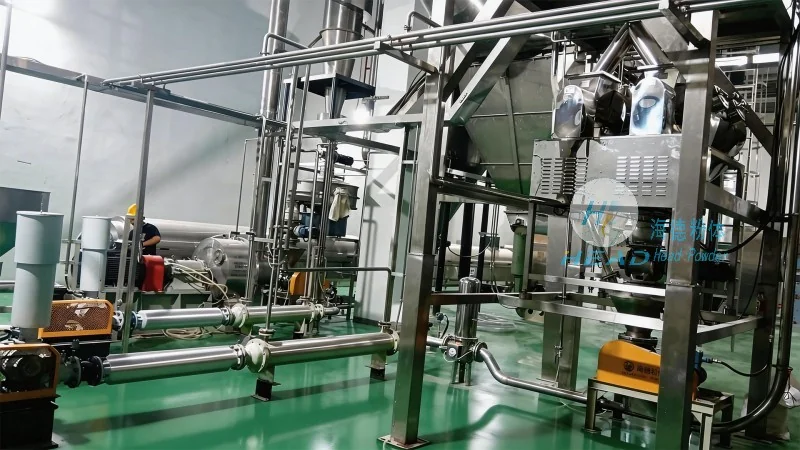
Introduction to Perlite Pneumatic Conveying
Perlite, a naturally occurring volcanic glass, is widely used as an insulating material, filter aid, and in horticulture due to its lightweight and porous structure. When processed into a fine powder or granules, perlite presents unique challenges in transportation. Traditional methods like belt conveyors or bucket elevators may not be suitable for such fine materials, as they can cause dust generation, product degradation, or increased maintenance costs. Pneumatic conveying addresses these challenges by utilizing compressed air to move perlite particles through a sealed system, ensuring a clean, efficient, and low-damage transport process.
Key Principles of Pneumatic Conveying
The core principle of pneumatic conveying is the use of air as a medium to transport solid particles. This process can be categorized into two main types: pressure and vacuum systems. In pressure systems, air is introduced into the conveying line at a higher pressure than the ambient environment, pushing the material forward. Vacuum systems, on the other hand, create a negative pressure in the line, drawing the material from the source into the system. Both methods rely on the balance between air velocity and particle size to ensure proper suspension and movement of the material. For perlite, which has a low bulk density and fine particle size, the air velocity must be carefully controlled to prevent particle settling or blockages in the pipeline.
Classifications of Pneumatic Conveying Systems
Pneumatic conveying systems are typically classified based on the pressure differential and the direction of material flow. The primary classifications include:
1. Positive Pressure Systems: These systems operate by blowing air into the conveying line, pushing the material from the source to the destination. They are suitable for long-distance transport and can handle a wide range of material types, including perlite. Positive pressure systems are often used in industrial settings where the material needs to be transported over considerable distances or through complex piping networks.
2. Negative Pressure (Vacuum) Systems: In vacuum systems, air is extracted from the conveying line, creating a suction effect that draws the material from the source into the system. This method is ideal for applications requiring the collection of material from multiple points or for handling materials that are sensitive to pressure changes. For perlite, vacuum systems are commonly used in processing plants where the material is collected from silos or storage bins and transported to processing units.
3. Hybrid Systems: Some applications may combine elements of both positive and negative pressure systems. For instance, a system might use a vacuum to draw material from a source and then a positive pressure boost to transport it over longer distances. Hybrid systems offer flexibility and can be optimized for specific material handling requirements, making them suitable for complex perlite processing operations.
Applications of Perlite Pneumatic Conveying
The use of pneumatic conveying in perlite processing offers numerous benefits, making it a preferred method in various industries. Some key applications include:
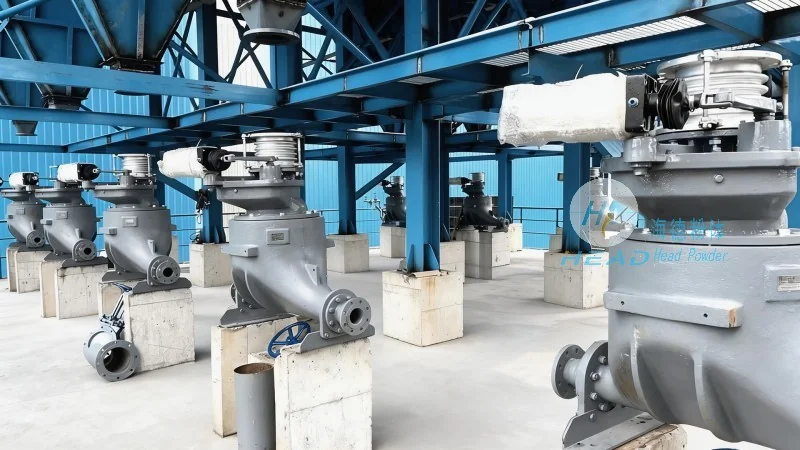
1. Perlite Processing and Manufacturing: In perlite processing facilities, pneumatic conveying is used to transport raw perlite from storage silos to grinding and classification equipment. The fine perlite powder produced is then conveyed to packaging units or to other processing stages. This method ensures that the material remains clean and free from contamination during transport, which is critical for maintaining product quality in applications like insulation and horticulture.
2. Insulation Material Production: Perlite is a key component in the production of loose-fill insulation, which is used in building construction to enhance thermal and sound insulation. Pneumatic conveying is used to transport perlite from storage to mixing and packaging equipment. The ability to handle fine perlite particles without degradation ensures that the final insulation product meets strict quality standards, providing consistent thermal performance and durability.
3. Horticulture and Agricultural Applications: In horticulture, perlite is used as a soil amendment to improve drainage and aeration in potting mixes. Pneumatic conveying is employed to transport perlite from storage to blending and packaging facilities for garden centers and nurseries. This method allows for the efficient distribution of perlite, ensuring that it is delivered in a clean, uniform form, which is essential for maintaining healthy plant growth and soil structure.
4. Filter Aid in Water Treatment: Perlite is also used as a filter aid in water treatment plants to remove suspended solids from water. Pneumatic conveying is used to transport perlite from storage to the filter beds or to the processing units where it is mixed with other filter media. The efficient transport of perlite ensures that the filter system operates at optimal performance, providing clean water and reducing the need for frequent filter media replacement.
Advantages of Using Pneumatic Conveying for Perlite
Compared to traditional material handling methods, pneumatic conveying offers several advantages when handling perlite:
1. Reduced Product Contamination: Since the material is transported in a sealed system, there is minimal exposure to external contaminants, ensuring that the perlite remains clean and free from dust or other particles that could affect its performance.
2. Lower Maintenance Costs: Pneumatic conveying systems have fewer moving parts compared to mechanical conveyors, resulting in lower maintenance requirements and reduced downtime. This is particularly beneficial for perlite processing, where the material can be abrasive and cause wear on equipment.
3. Improved Safety: The sealed system eliminates the risk of dust explosions or inhalation of fine particles, which is a significant safety concern in perlite processing. Pneumatic conveying also reduces the need for manual handling of heavy materials, improving workplace safety.
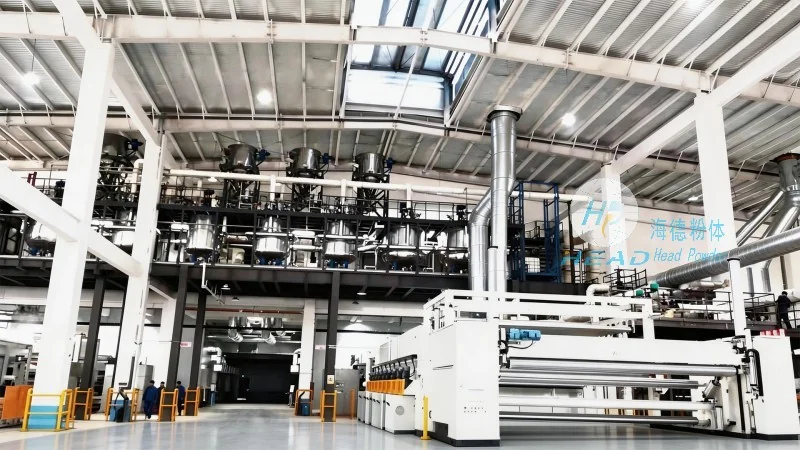
4. Energy Efficiency: Modern pneumatic conveying systems are designed to be energy-efficient, using optimized air flow and pressure to minimize energy consumption. This is important for industries that handle large volumes of perlite, as it reduces operational costs and environmental impact.
Challenges and Considerations in Perlite Pneumatic Conveying
While pneumatic conveying offers many benefits, there are also challenges and considerations that must be addressed when handling perlite:
1. Air Velocity and Particle Size: The air velocity must be carefully controlled to ensure that perlite particles are properly suspended and do not settle or cause blockages in the pipeline. For fine perlite powders, higher air velocities may be required to maintain flow, which can increase energy consumption.
2. System Design and Sizing: Proper system design is critical to ensure efficient and reliable operation. The pipeline diameter, length, and bends must be optimized to match the material characteristics and transport requirements. Inadequate system design can lead to pressure drops, particle degradation, or system failure.
3. Material Moisture Content: Perlite's moisture content can affect its flow properties and the efficiency of the pneumatic conveying system. High moisture content can cause caking or blockages, while low moisture content may require higher air velocities to maintain flow. Proper moisture control is essential for consistent system performance.
4. Equipment Maintenance: Even with fewer moving parts, pneumatic conveying systems still require regular maintenance, such as cleaning filters, checking air compressors, and inspecting pipeline components. Regular maintenance is necessary to prevent system downtime and ensure long-term reliability.
Conclusion
Perlite pneumatic conveying is a highly effective and efficient method for transporting perlite and similar fine materials. By understanding the principles, classifications, and applications of pneumatic conveying, industries can optimize their material handling processes, improve product quality, and reduce operational costs. As a leading provider of engineering solutions, Shandong HeadPowder Engineering Co., Ltd. specializes in designing and implementing pneumatic conveying systems tailored to the specific needs of perlite processing facilities. With a focus on quality, efficiency, and safety, HeadPowder helps clients achieve reliable and cost-effective material transport solutions for their perlite operations.




