Shandong HeadPowder Engineering Co., Ltd., a leading enterprise in the field of pneumatic conveying technology, specializes in the design, manufacturing, and application of limestone powder particle pneumatic conveying systems. With a focus on innovation and precision, the company provides tailored solutions for various industrial needs, ensuring efficient and reliable material transport. This article aims to explore the classification of these systems and their practical applications across different industries.
Introduction to Limestone Powder Particle Pneumatic Conveying Systems
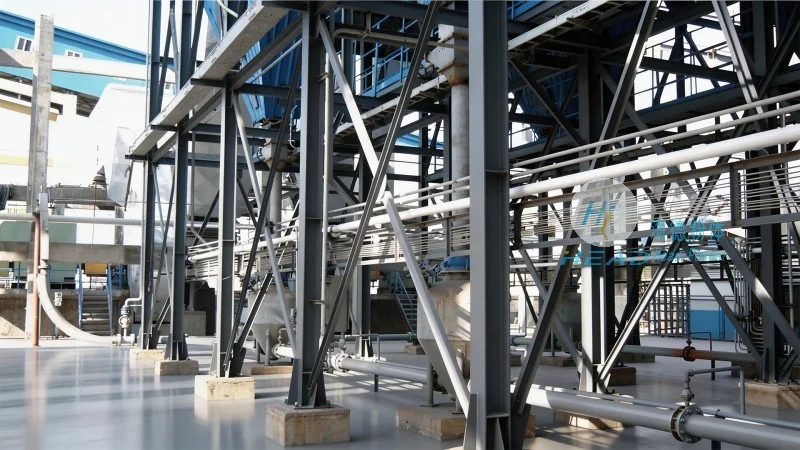
Limestone powder, a crucial raw material in the construction and chemical industries, requires specialized handling due to its fine particle size and potential for dust generation. Pneumatic conveying systems offer an effective solution by utilizing air pressure to transport dry powders like limestone over long distances. These systems are designed to maintain material integrity, minimize contamination, and enhance operational safety. The classification of pneumatic conveying systems is primarily based on the pressure differential between the conveying line and the ambient environment.
Classification of Pneumatic Conveying Systems
There are two main categories of pneumatic conveying systems: positive pressure and negative pressure systems. Positive pressure systems operate by blowing air into the conveying line, creating a pressure higher than the ambient air. This method is suitable for transporting materials over short to medium distances and is commonly used in applications where the material is non-abrasive and has low moisture content. Negative pressure systems, on the other hand, create a vacuum in the conveying line, drawing material into the system. This approach is ideal for long-distance transport and is often employed when dealing with abrasive or high-moisture materials.
Key Components of Limestone Powder Pneumatic Conveying Systems
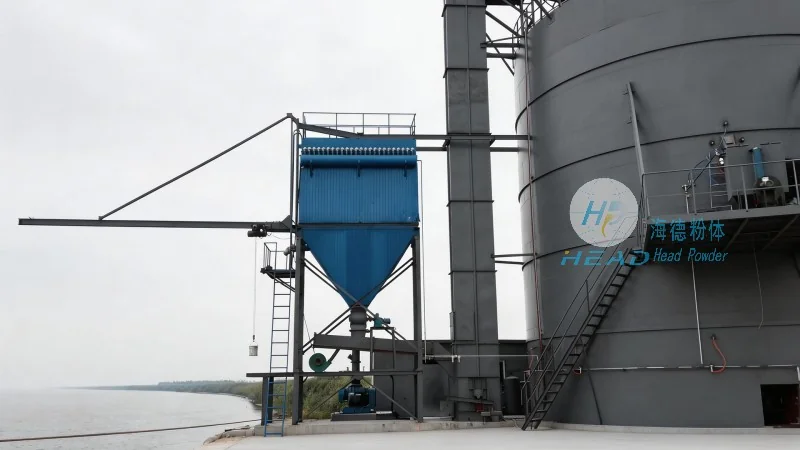
Regardless of the system type, limestone powder pneumatic conveying systems typically consist of several core components. These include a material feeder, which ensures a consistent flow of limestone powder into the system; a blower or vacuum pump, which provides the necessary air pressure or vacuum; a conveying line, often made of stainless steel or other corrosion-resistant materials to prevent material degradation; and a dust collector or filter, which captures any airborne particles to maintain air quality and comply with environmental regulations. The selection of these components is critical to the system's efficiency and longevity.
Applications in the Construction Industry
In the construction sector, limestone powder is widely used as a raw material for cement production and as a filler in concrete. Pneumatic conveying systems are employed to transport limestone powder from storage silos to production lines, ensuring a continuous and uninterrupted supply. The systems are designed to handle large volumes of material, often operating at high speeds to minimize downtime. For example, in cement plants, these systems help maintain the required particle size distribution of limestone, which directly impacts the quality of the final cement product.
Applications in the Chemical Industry
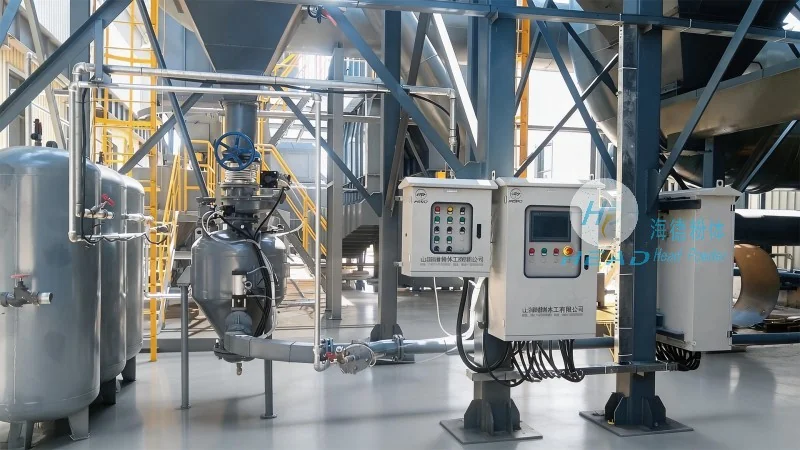
The chemical industry utilizes limestone powder in processes such as flue gas desulfurization and as a raw material for calcium carbonate production. Pneumatic conveying systems are essential for transporting limestone powder to reactors and processing units, where it undergoes chemical reactions. The systems must be capable of handling materials with varying moisture levels and chemical properties, ensuring that the material is delivered in a dry and consistent state. This is crucial for maintaining the efficiency of chemical processes and preventing equipment corrosion.
Advantages of Limestone Powder Pneumatic Conveying Systems
Compared to traditional bulk material handling methods like belt conveyors or bucket elevators, pneumatic conveying systems offer several advantages. These include reduced material degradation due to minimal contact with equipment, lower maintenance costs as there are fewer moving parts, and improved safety by eliminating the need for manual handling of powders. Additionally, pneumatic systems can be easily integrated into existing production lines, allowing for flexible and scalable operations. The ability to transport materials over long distances without the need for intermediate storage facilities also contributes to cost savings and operational efficiency.
Challenges and Solutions in Limestone Powder Pneumatic Conveying
Despite their benefits, pneumatic conveying systems for limestone powder may face challenges such as clogging, material degradation, and air leakage. Clogging can occur due to the fine particle size of limestone powder, which can accumulate in the conveying line. To mitigate this, systems are equipped with cleaning mechanisms, such as air jets or mechanical scrapers, which help maintain the line's integrity. Material degradation can be prevented by using high-quality, corrosion-resistant materials for the conveying line and ensuring proper maintenance. Air leakage, which reduces system efficiency, is addressed by using high-quality seals and regular inspections to identify and repair any leaks.
Future Trends and Innovations
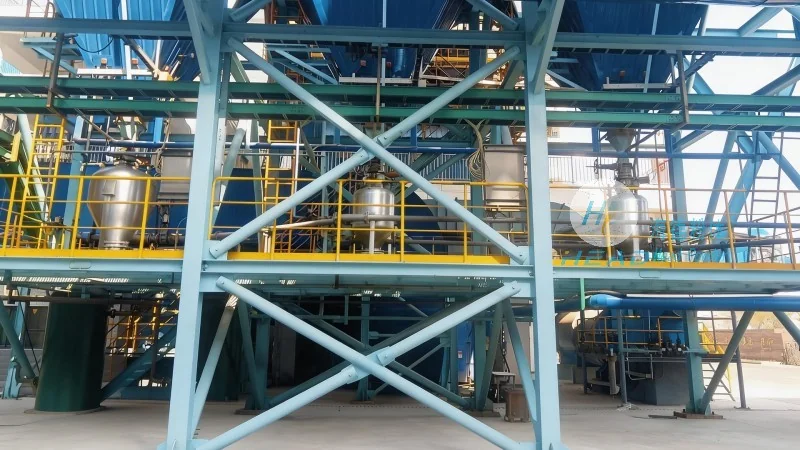
As technology advances, the pneumatic conveying industry is seeing the adoption of new innovations that enhance system performance and sustainability. These include the use of energy-efficient blowers, which reduce operational costs and environmental impact, and the integration of automation and control systems, which improve process monitoring and control. Additionally, the development of more durable materials and advanced filtration technologies is improving the longevity and efficiency of these systems. The future of limestone powder pneumatic conveying systems lies in their ability to adapt to evolving industrial needs, providing reliable and sustainable material transport solutions.
Conclusion
Shandong HeadPowder Engineering Co., Ltd. continues to lead in the development and application of limestone powder particle pneumatic conveying systems. By understanding the classification of these systems and their diverse applications, industries can make informed decisions to improve their material handling processes. The company's commitment to innovation and quality ensures that its systems meet the highest standards of efficiency, reliability, and sustainability, supporting the growth and success of its clients in the construction and chemical sectors.




