For construction projects requiring efficient and reliable concrete delivery, pneumatic conveying systems offer a robust solution. These systems utilize air pressure to transport concrete materials over long distances with minimal disruption to the construction site. The technology is particularly beneficial in environments where traditional methods like trucks or conveyor belts may be impractical due to space constraints or logistical challenges.
How Pneumatic Concrete Conveying Works
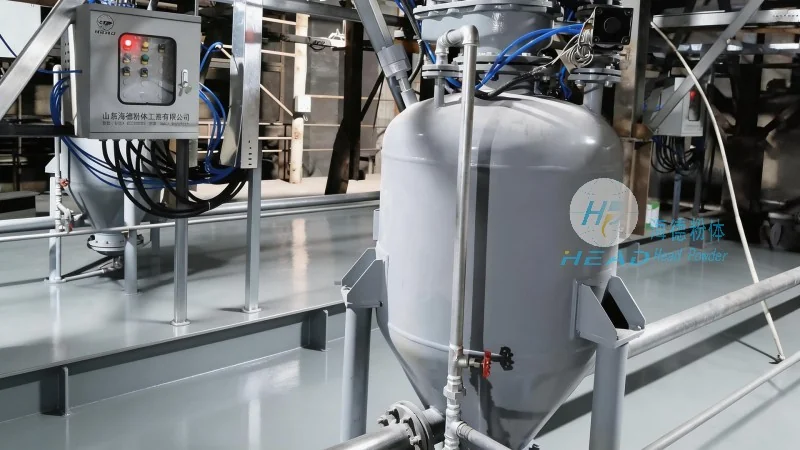
Pneumatic concrete conveying systems operate by using compressed air to create a flow of material through a network of pipes. The process begins with the concrete being loaded into a hopper, where it is mixed with water and other additives as needed. The air compressor then generates high-pressure air, which is introduced into the hopper, creating a negative pressure that draws the concrete mixture into the pipeline. The mixture travels through the pipes at high velocity, reaching the discharge point where it is deposited into the formwork or storage containers. This method eliminates the need for manual handling and reduces the risk of material contamination, ensuring a clean and efficient delivery process.
Key Features of HeadPowder's Pneumatic Concrete Solutions
HeadPowder, a leading provider of engineering solutions based in Shandong, China, specializes in designing and implementing advanced pneumatic concrete conveying systems. Our solutions are engineered to meet the diverse needs of modern construction projects, ensuring high efficiency and durability. The systems are equipped with high-capacity air compressors and specialized hopper designs that maintain the quality of concrete during transport, preventing segregation and ensuring consistent mix quality at the job site.
Technical Specifications and Performance Metrics
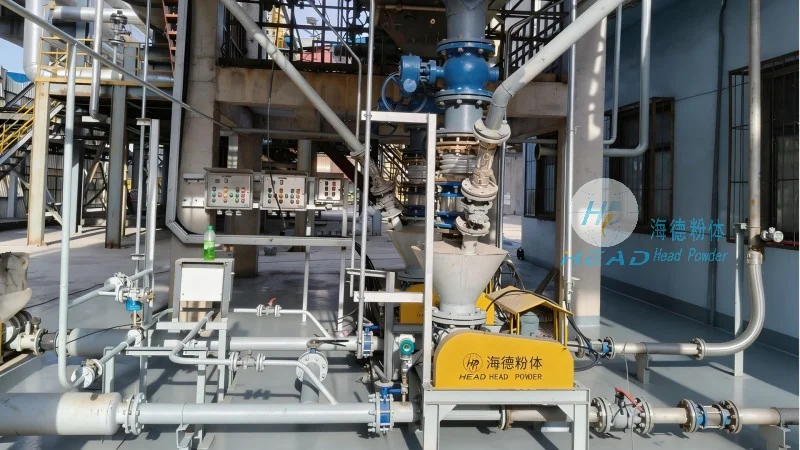
HeadPowder's pneumatic concrete conveying systems are designed with advanced engineering principles to deliver superior performance. The systems typically feature air flow rates ranging from 100 to 500 cubic meters per hour, depending on the project requirements. The hopper capacity can be customized to handle different batch sizes, with options ranging from 0.5 to 2 cubic meters. The pipeline design incorporates smooth, corrosion-resistant materials to prevent blockages and ensure consistent flow. Additionally, the systems are equipped with pressure sensors and flow meters that provide real-time monitoring of the conveying process, allowing for immediate adjustments to maintain optimal performance.
Benefits of Implementing Pneumatic Concrete Delivery
Adopting pneumatic concrete conveying systems brings several advantages to construction operations. Firstly, it significantly reduces the need for heavy machinery and truck movements on-site, minimizing traffic congestion and improving overall site safety. Secondly, the technology allows for precise control over the concrete flow rate, enabling better management of construction schedules and reducing material waste. Additionally, the systems are adaptable to various project scales, from small residential developments to large-scale infrastructure projects, making them a versatile choice for different construction scenarios.
Customization and Technical Support from HeadPowder
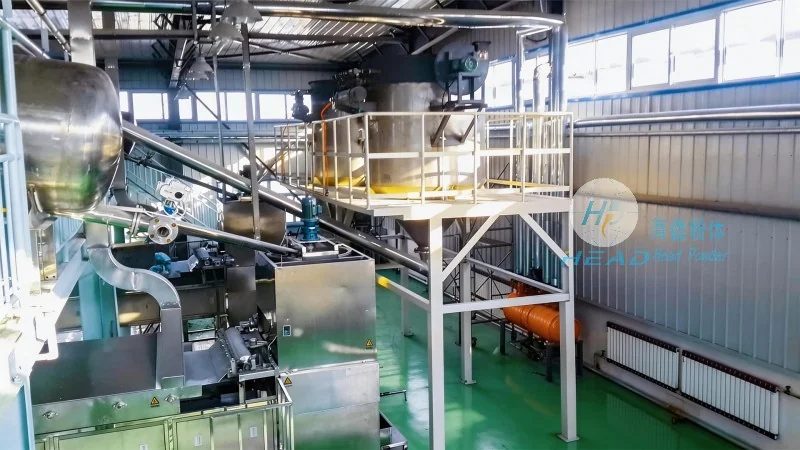
HeadPowder understands that each construction project has unique requirements. Therefore, our team of experienced engineers provides tailored solutions that align with specific project specifications and operational needs. From initial system design and installation to ongoing maintenance and technical support, we offer comprehensive services to ensure the longevity and optimal performance of the pneumatic concrete conveying systems. Our commitment to quality and customer satisfaction has made us a trusted partner for numerous construction companies across China and beyond.
Enhancing Construction Efficiency and Safety
By integrating pneumatic concrete conveying systems into construction operations, projects can achieve significant improvements in efficiency and safety. The systems reduce the time required for material transport, as concrete can be delivered directly to the job site without the need for truck deliveries or manual labor. This leads to faster construction cycles and reduced labor costs. Furthermore, the elimination of heavy truck movements on-site minimizes the risk of accidents and improves overall site safety for workers and the surrounding community. The technology also contributes to environmental sustainability by reducing emissions from truck traffic and minimizing material waste through precise flow control.




