For industries dealing with carbon black and coal powders, efficient material handling is crucial. Pneumatic conveying systems offer a reliable solution, and understanding their key structural components is essential for optimal performance. This article explores the primary structures that constitute effective carbon black and coal powder pneumatic conveying systems, highlighting the expertise of Shandong HeadPowder Engineering Co., Ltd. as a leading provider in the field.
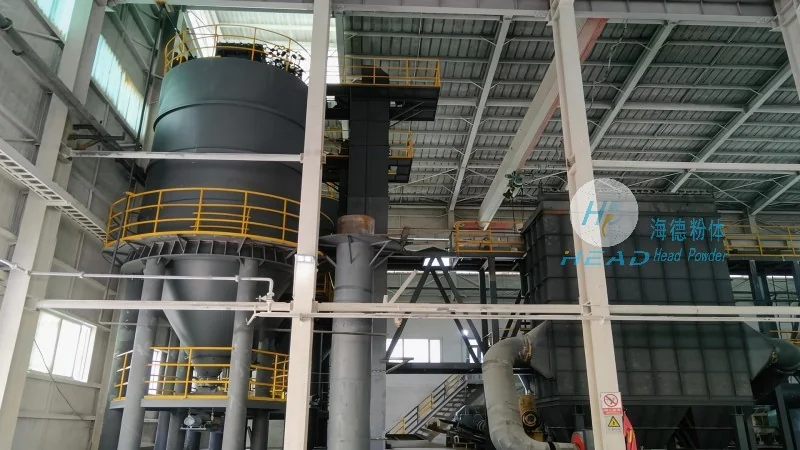
Core Components of Pneumatic Conveying Systems
The foundation of any pneumatic conveying system lies in its core components, which work in unison to transport powders safely and efficiently. These components include the feed hopper, which stores and meters the material; the conveying line, typically made of metal or flexible tubing, that transports the powder; and the receiver, where the material is deposited. Each component plays a vital role in maintaining the system's integrity and ensuring consistent operation.
Feed Hopper and Metering Equipment
The feed hopper is a critical structure for controlling the flow of carbon black or coal powder into the conveying system. It often includes a metering valve or screw feeder to regulate the material's discharge rate. This ensures that the conveying line is not overloaded, preventing blockages and maintaining consistent pressure within the system. The design of the hopper, with its sloped sides and discharge opening, minimizes material bridging and ensures smooth material flow.
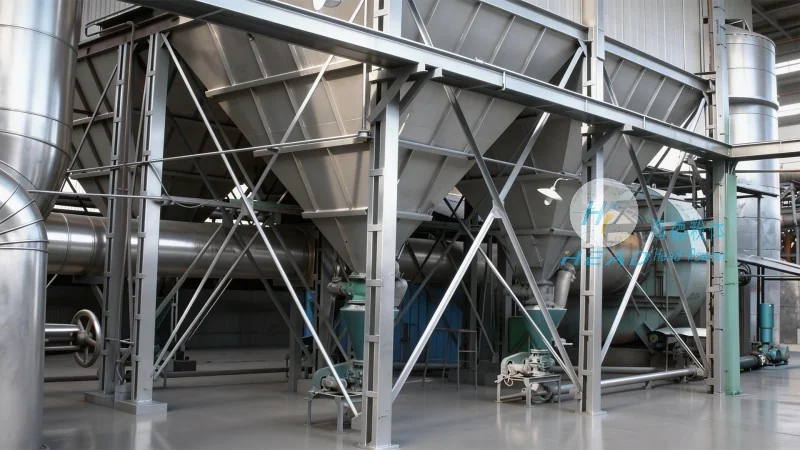
Conveying Line and Airflow Management
The conveying line is the backbone of the system, responsible for transporting the powder through the air stream. It can be categorized into two main types: dilute-phase and dense-phase systems. Dilute-phase systems use high-velocity air to suspend the powder, while dense-phase systems use lower velocities and higher pressure to push the material along. The choice of line material—such as stainless steel, aluminum, or plastic—depends on the material's properties and the system's operating conditions. Proper airflow management, including the use of filters and pressure regulators, is essential to maintain system efficiency and prevent dust emissions.
Receiver and Material Discharge
The receiver is the final structure in the system, where the carbon black or coal powder is collected after being conveyed. It is typically a hopper or tank with a discharge valve that allows the material to be removed. The receiver's design must consider the material's bulk density and flow characteristics to prevent buildup and ensure easy unloading. Some systems may include a dust collection system or a venturi scrubber to capture any particles that escape during the conveying process, enhancing safety and compliance with environmental regulations.
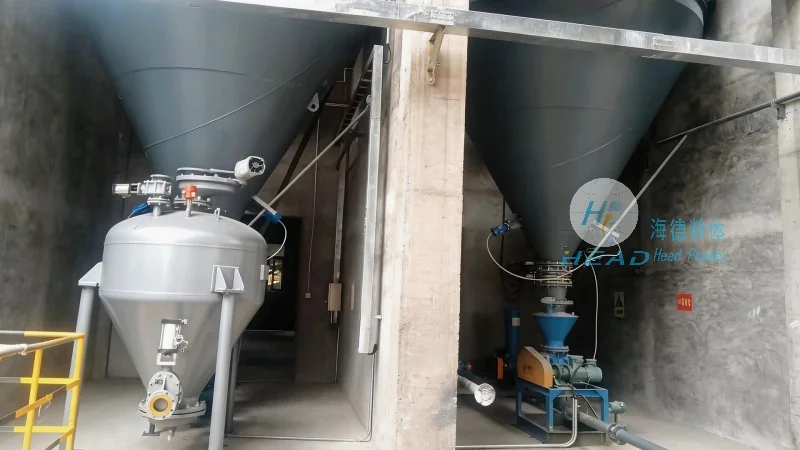
Control and Monitoring Systems
Modern pneumatic conveying systems incorporate advanced control and monitoring structures to optimize performance and prevent issues. These systems may include pressure sensors, flow meters, and programmable logic controllers (PLCs) that adjust the air flow and material feed rate in real time. This automation ensures that the system operates at peak efficiency, reducing energy consumption and minimizing downtime. The control panel, often located near the feed hopper or receiver, provides operators with a clear view of the system's status and allows for quick adjustments if needed.
Customization and Application-Specific Structures
Shandong HeadPowder Engineering Co., Ltd., operating under the brand name HeadPowder, specializes in designing and manufacturing customized pneumatic conveying systems tailored to specific applications. Whether for carbon black processing in the rubber industry or coal powder handling in power generation, the company's engineers work closely with clients to understand their unique requirements. This includes selecting the appropriate conveying line material, adjusting the hopper size, and integrating additional structures such as dust filters or cyclones. The result is a system that meets the client's operational needs while adhering to industry standards and safety guidelines.




