Activated carbon is widely used in various industrial processes for its excellent adsorption properties, making the efficient and safe transport of this material crucial. Pneumatic conveying systems offer a reliable solution for handling activated carbon, ensuring minimal dust exposure and maintaining product integrity. This article provides an in-depth analysis of activated carbon pneumatic conveying systems, highlighting their design, operational principles, and practical applications.
Key Components of Activated Carbon Pneumatic Conveying Systems
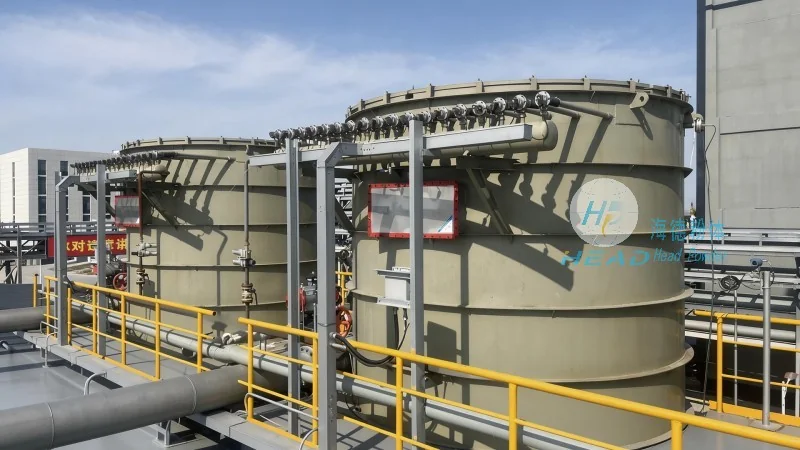
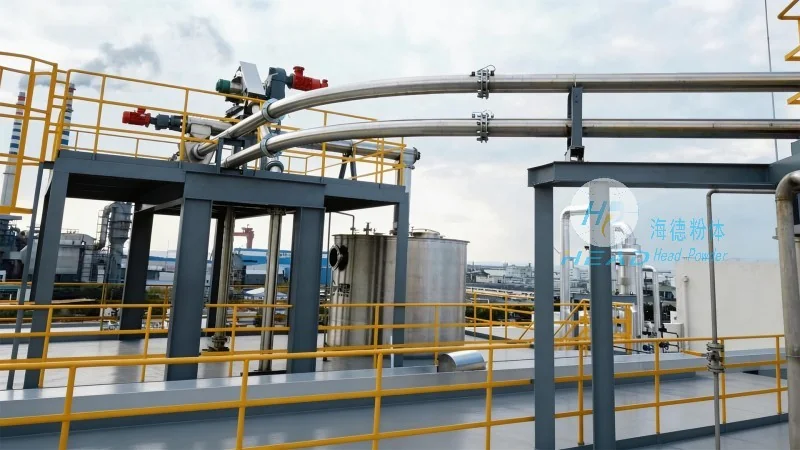
The core components of an activated carbon pneumatic conveying system include a hopper for material storage, a conveyor line (either positive or negative pressure), a filter system to capture fine particles, and a dust collection unit. The hopper is typically equipped with a feeder mechanism, such as a rotary valve or a screw feeder, to control the flow of activated carbon into the conveying line. The conveyor line can operate under positive pressure, where air is blown through the system to move the material, or under negative pressure, where air is drawn through the system to pull the material. Both methods have their advantages, with positive pressure systems being more common for handling fine powders like activated carbon due to their ability to prevent material degradation and reduce dust emissions.
Operational Principles and Flow Control
The operation of a pneumatic conveying system for activated carbon relies on precise flow control to ensure consistent performance. The system uses air pressure or vacuum to transport the material from the source to the destination. Flow control devices, such as pressure regulators and flow meters, are essential to maintain a stable air flow rate, which directly impacts the conveying capacity and efficiency. In positive pressure systems, the air velocity must be sufficient to overcome the resistance of the material and the system components, while also preventing particle segregation or agglomeration. Negative pressure systems, on the other hand, require careful management of air leakage to avoid contamination and maintain system efficiency. Proper flow control ensures that the system operates within its design parameters, minimizing energy consumption and maximizing throughput.
Advantages of Pneumatic Conveying for Activated Carbon
Pneumatic conveying systems offer several advantages when handling activated carbon. Firstly, they provide a dust-free environment, which is critical for maintaining product quality and ensuring workplace safety. Unlike mechanical conveyors, which can generate significant dust and cause health hazards, pneumatic systems keep the material contained within the system, reducing the risk of inhalation and contamination. Secondly, these systems are highly flexible, allowing for changes in the conveying route or destination without major modifications. This flexibility is particularly beneficial in industrial settings where production lines may need to be reconfigured or expanded. Thirdly, pneumatic conveying is energy-efficient compared to other methods, such as truck or rail transport, especially for short to medium distances. The system can also handle a wide range of particle sizes and moisture contents, making it suitable for various activated carbon grades and applications.
Applications in Industrial Processes
Activated carbon pneumatic conveying systems are widely used in several industrial sectors. In the chemical industry, they are employed for transporting activated carbon used in adsorption processes, such as water treatment and air purification. The food and beverage industry utilizes these systems for handling activated carbon used in filtration and deodorization of products. The pharmaceutical industry also benefits from pneumatic conveying for transporting activated carbon used in drug manufacturing and purification processes. Additionally, in the environmental sector, these systems are used for handling activated carbon in wastewater treatment plants and industrial waste management facilities. The versatility of pneumatic conveying makes it an ideal choice for these applications, as it can handle both dry and wet activated carbon, depending on the specific requirements of the process.
System Maintenance and Safety Considerations
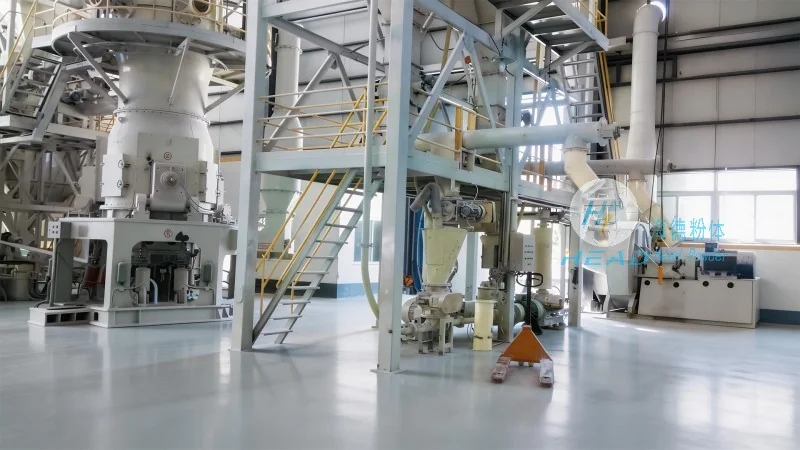
Maintaining the efficiency and safety of an activated carbon pneumatic conveying system requires regular maintenance and adherence to safety protocols. Regular cleaning of the hopper, conveyor line, and filter system is essential to prevent clogging and ensure consistent performance. The filter system, in particular, needs to be checked and replaced periodically to maintain air quality and prevent dust accumulation. Safety considerations include proper ventilation to remove any airborne particles, regular inspection of pressure vessels and valves, and training of personnel on the safe operation of the system. HeadPowder, a leading manufacturer of pneumatic conveying systems, emphasizes the importance of regular maintenance to ensure the longevity and reliability of their equipment. By following manufacturer guidelines and conducting routine inspections, users can maximize the operational life of their systems and minimize downtime.
Conclusion
Activated carbon pneumatic conveying systems are a vital component in industries that rely on activated carbon for their processes. These systems offer efficient, safe, and flexible transport solutions, ensuring that the material is handled with minimal risk and maximum quality. With proper design, operation, and maintenance, pneumatic conveying systems can significantly improve production efficiency and reduce operational costs. As a trusted provider of engineering solutions, Shandong HeadPowder Engineering Co., Ltd. specializes in designing and manufacturing customized pneumatic conveying systems tailored to the specific needs of their clients. Their expertise in material handling and industrial engineering ensures that their systems meet the highest standards of performance and safety, making them a reliable choice for businesses in need of efficient activated carbon transport solutions.




