Glass raw materials are the fundamental components that determine the quality and performance of glass products. The technical parameters of these raw materials, such as particle size distribution, moisture content, and chemical composition, play a crucial role in the glass melting process and the final product characteristics. Accurate control of these parameters is essential for achieving consistent glass quality and optimizing production efficiency.
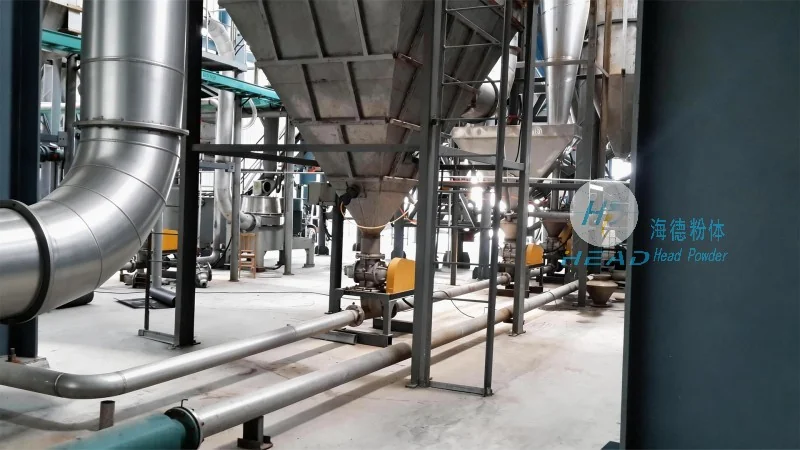
In the glass manufacturing industry, the conveyance of raw materials from storage to the melting furnace is a critical step. Conveying systems must be designed to handle various types of raw materials, including sand, soda ash, limestone, and other additives, while maintaining uniformity and preventing contamination. Advanced conveying technologies, such as belt conveyors, screw conveyors, and pneumatic systems, are employed to ensure smooth material flow and minimize downtime.
Shandong HeadPowder Engineering Co., Ltd., a leading provider in the field, specializes in the development and implementation of customized conveying solutions tailored to the specific needs of glass manufacturers. The company's expertise lies in integrating precise measurement and control systems with robust material handling equipment, ensuring that raw materials are delivered in optimal conditions for the glass melting process.
Key technical parameters that influence the performance of glass raw materials include particle size, which affects the melting rate and viscosity of the glass melt. Proper sizing of raw materials can reduce energy consumption and improve the uniformity of the final product. Moisture content is another critical factor, as excess water can lead to bubble formation and defects in the glass. HeadPowder employs advanced drying and conditioning technologies to maintain low moisture levels in raw materials.
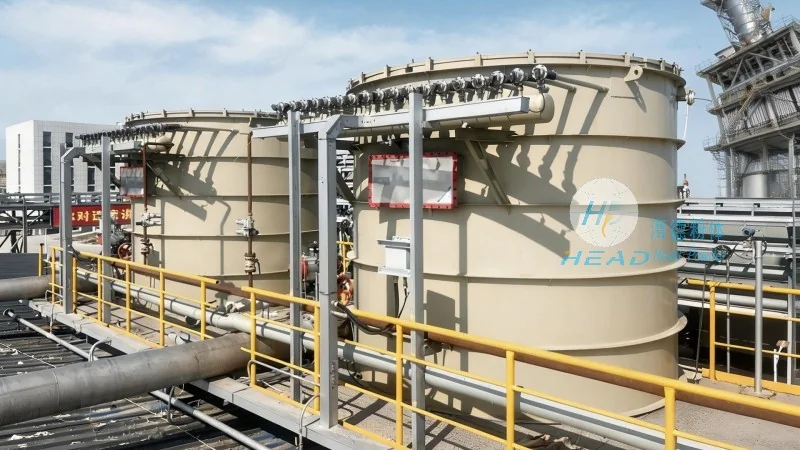
The design of conveying systems must consider the physical properties of the raw materials, such as bulk density and flowability. For example, belt conveyors are commonly used for transporting bulk materials over long distances, while screw conveyors are suitable for handling powders and granules in vertical or horizontal orientations. Pneumatic conveying systems are ideal for transporting fine powders that are prone to dust and require airtight handling.
HeadPowder's engineers work closely with clients to assess their production requirements and recommend the most efficient conveying solutions. By leveraging years of experience in the glass industry, the company ensures that the selected systems meet both current and future production demands. The integration of sensors and automation in the conveying process allows for real-time monitoring and adjustment, enhancing overall operational efficiency.
Chemical composition is a vital technical parameter that directly impacts the optical and mechanical properties of the glass. Variations in the proportions of key components, such as silica, sodium oxide, and calcium oxide, can alter the refractive index, thermal expansion coefficient, and durability of the final product. HeadPowder's technical team conducts thorough analysis of raw material compositions to ensure compliance with industry standards and product specifications.
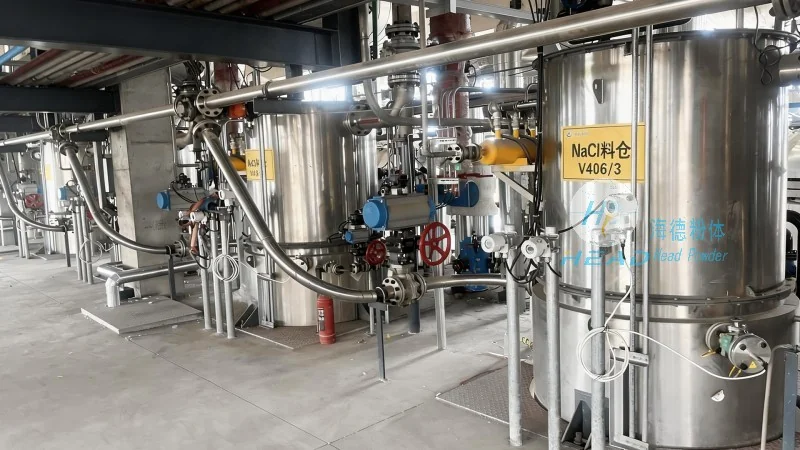
Storage and handling of glass raw materials also require specialized equipment to maintain quality. Silos and hoppers are used to store raw materials, with proper sealing and ventilation to prevent moisture absorption and contamination. The design of these storage facilities must consider the flow characteristics of the materials to avoid bridging or clogging, which can disrupt the conveying process. HeadPowder provides comprehensive solutions that include material storage, conditioning, and transfer, ensuring a seamless supply chain from raw material intake to the melting furnace.
Advanced control systems are integral to modern glass raw material handling and conveying processes. These systems use sensors to monitor parameters like temperature, pressure, and flow rate, and adjust equipment operations in real time. The integration of automation reduces human error and enhances process consistency. HeadPowder's solutions incorporate state-of-the-art control technologies, enabling glass manufacturers to achieve higher productivity and lower operational costs.
In conclusion, the technical parameters of glass raw materials and the efficiency of conveying systems are critical factors in the glass manufacturing process. By focusing on precise material control and advanced conveying technologies, companies like Shandong HeadPowder Engineering Co., Ltd. help glass manufacturers optimize their operations and produce high-quality glass products. The combination of expert engineering, customized solutions, and continuous innovation ensures that the glass industry can meet the evolving demands of modern applications.




