HeadPowder, a leading provider in the field of material handling solutions, specializes in advanced pneumatic conveying systems for various industrial applications. This article delves into the technical aspects of transporting stone powder particles using pneumatic conveying methods, focusing on the comparison between positive pressure and negative pressure modes. Understanding the differences and advantages of each system is crucial for optimizing material transport efficiency and ensuring operational reliability in industrial processes.
Introduction to Pneumatic Conveying Systems
Pneumatic conveying is a widely used method for transporting bulk materials, including powders and granules, over short to medium distances. It involves the use of air or gas to move material through a pipeline system. The technology is particularly effective for materials like stone powder, which can be challenging to handle due to their fine particle size and potential for dust generation. HeadPowder's expertise lies in designing and implementing customized pneumatic conveying solutions that meet the specific requirements of clients in the construction, mining, and manufacturing sectors.
Positive Pressure Pneumatic Conveying
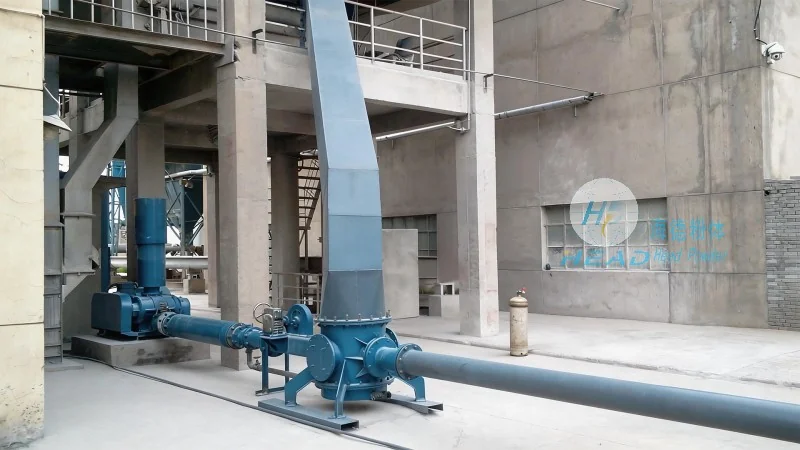
Positive pressure systems operate by blowing air or gas into the conveying line, creating a pressure higher than the ambient air pressure. This method is commonly used for short to medium distance transport and is particularly suitable for handling abrasive or corrosive materials. In the context of stone powder, positive pressure systems can effectively transport particles over distances of up to several hundred meters. The system typically includes a blower, a hopper for material storage, and a pipeline network. The positive pressure ensures that the material is continuously pushed through the system, reducing the risk of blockages and ensuring consistent flow rates. HeadPowder's positive pressure solutions are engineered to handle high volumes of stone powder, with options for different blower types and pipeline configurations to suit various operational needs.
Negative Pressure Pneumatic Conveying
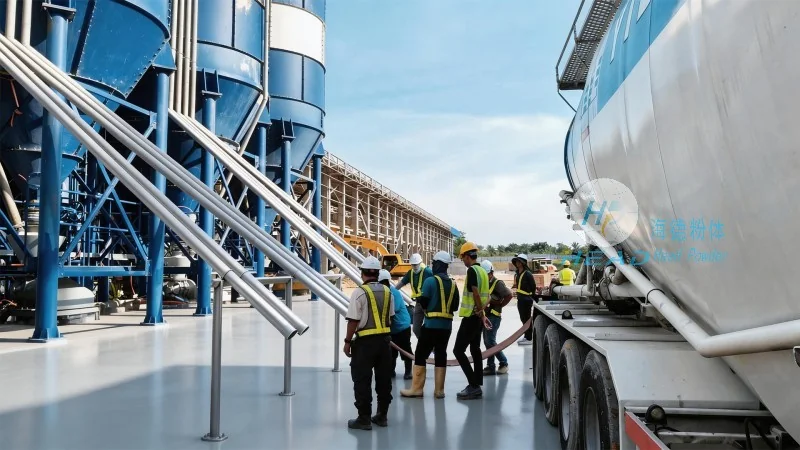
Negative pressure systems, also known as vacuum conveying, operate by creating a vacuum in the conveying line, which draws material from the source into the system. This method is ideal for applications requiring material to be transported from a higher elevation to a lower one, or over longer distances where the material source is at a higher point. For stone powder, negative pressure systems are often used in situations where the material needs to be collected from multiple points and transported to a central processing unit. The vacuum created by the system ensures that the material is drawn efficiently, minimizing dust emissions and maintaining material integrity. HeadPowder's negative pressure systems are designed with high-efficiency vacuum pumps and filtration systems to handle fine stone powder particles, ensuring that the material is conveyed without degradation or loss.
Key Differences and Performance Metrics
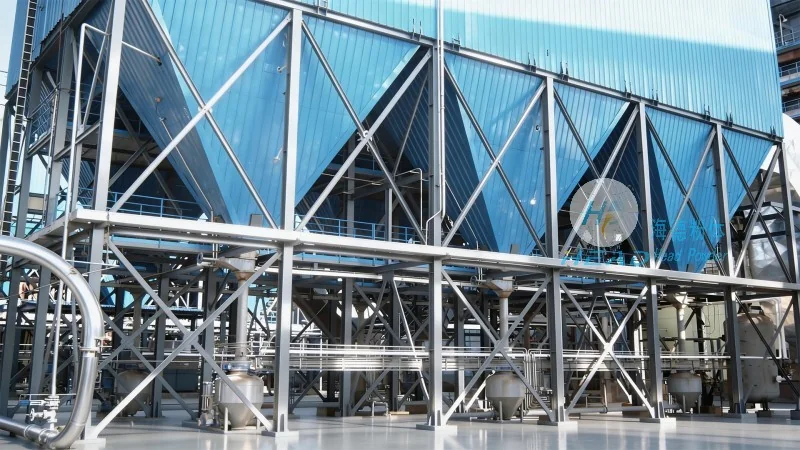
When comparing positive and negative pressure pneumatic conveying systems for stone powder, several key factors come into play. The primary difference lies in the direction of air flow and the pressure differential. Positive pressure systems use compressed air to push material, while negative pressure systems use suction to draw material. This fundamental difference affects the system's energy consumption, material handling capacity, and suitability for different distances and elevations. Positive pressure systems generally consume more energy due to the need to generate compressed air, but they can handle higher material loads and are more suitable for short-distance, high-volume transport. Negative pressure systems, on the other hand, are more energy-efficient for long-distance or high-elevation transport, as they rely on the vacuum created by the pump to draw material. HeadPowder's technical team evaluates these factors for each client, considering the specific characteristics of the stone powder, such as particle size, moisture content, and flowability, to recommend the most appropriate system.
Advantages and Applications in Stone Powder Handling
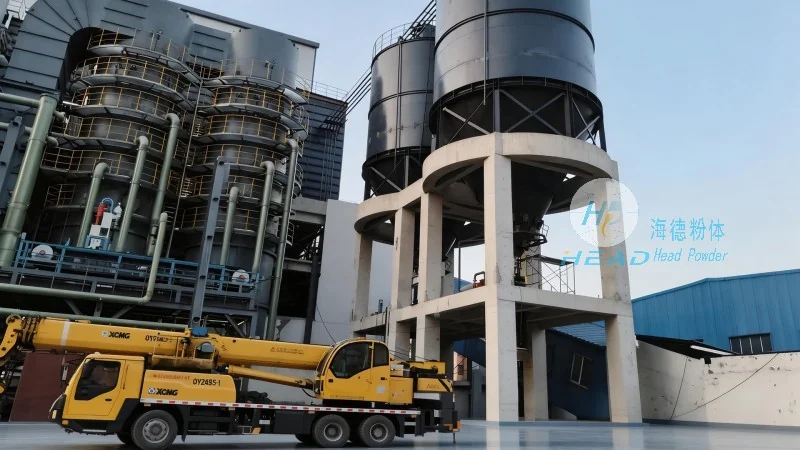
Both positive and negative pressure pneumatic conveying systems offer distinct advantages for stone powder handling. Positive pressure systems excel in applications where the material source is at a lower level and needs to be transported to a higher processing unit, such as in cement plants or mining operations. They are also suitable for situations where the material is abrasive and requires a robust system to prevent wear and tear. Negative pressure systems are preferred for applications where the material needs to be collected from multiple points and transported to a central location, such as in construction sites or industrial facilities. They are particularly effective in reducing dust emissions and maintaining a clean working environment. HeadPowder's systems are designed to address these specific needs, with options for both positive and negative pressure configurations to meet the diverse requirements of clients in the stone powder industry.
Conclusion and Recommendations
In conclusion, the choice between positive and negative pressure pneumatic conveying systems for stone powder depends on several factors, including the distance of transport, elevation changes, material characteristics, and operational requirements. HeadPowder, with its expertise in material handling solutions, provides comprehensive technical analysis and customized system designs to help clients select the most suitable pneumatic conveying method. By understanding the technical differences and performance metrics of each system, clients can optimize their material transport processes, improve efficiency, and ensure operational reliability. HeadPowder's commitment to quality and innovation ensures that clients receive the best possible solutions for their stone powder handling needs.




