Phosphate iron lithium material handling systems are specialized equipment and processes designed to transport and manage lithium iron phosphate (LiFePO4) materials, which are widely used in battery production and other industrial applications. These systems are crucial for ensuring efficient and safe material flow within manufacturing facilities, particularly in the battery industry where LiFePO4 is a key component in lithium-ion batteries. Understanding the design principles behind these systems is essential for optimizing production efficiency, maintaining material integrity, and adhering to safety standards.
Introduction to Phosphate Iron Lithium Material Handling
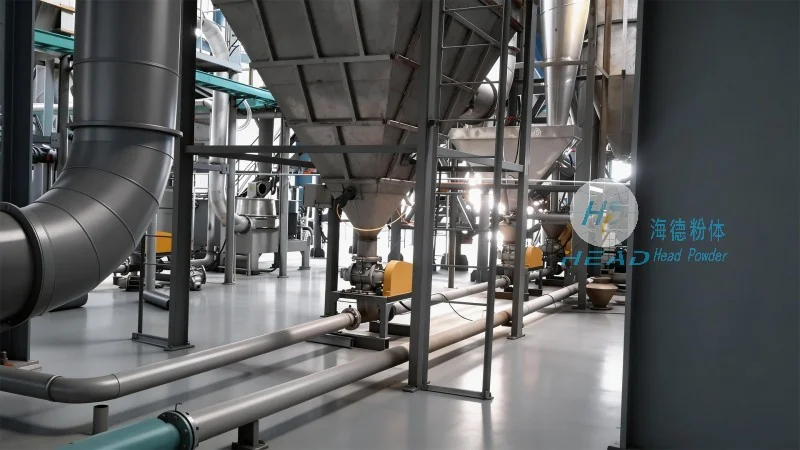
Phosphate iron lithium material handling refers to the methods and equipment used to move, store, and process lithium iron phosphate powders and related materials. LiFePO4 is a critical cathode material in lithium-ion batteries, known for its stability, safety, and cost-effectiveness. The material handling process involves several stages, from raw material storage to final product packaging, each requiring specialized equipment to handle the unique properties of LiFePO4, such as its fine particle size, hygroscopic nature, and potential for dust generation.
Key Components of Phosphate Iron Lithium Material Handling Systems
Effective phosphate iron lithium material handling systems typically include several key components to ensure smooth operation. These components are designed to address the specific challenges of handling LiFePO4, including dust control, material flow optimization, and safety measures. The primary components include:
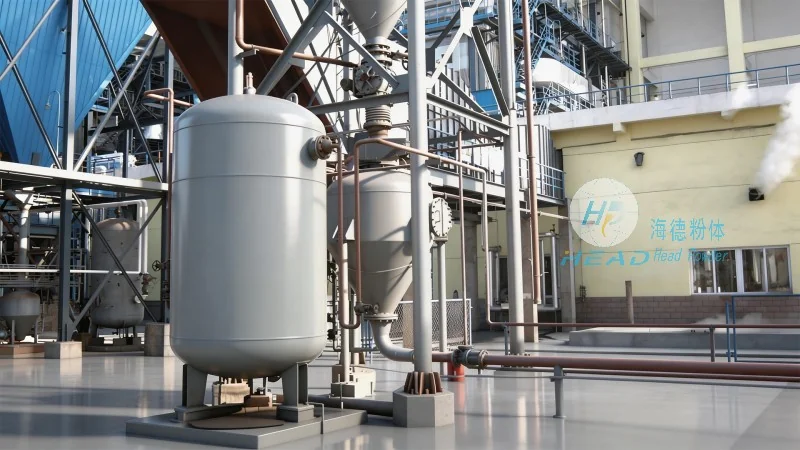
- Storage Silos: Large, airtight silos used to store raw LiFePO4 materials. These silos are often equipped with dust collection systems to prevent airborne contamination and maintain material quality.
- Pneumatic Conveying Systems: Systems that use air pressure to transport LiFePO4 from storage silos to processing areas. Pneumatic conveyors are preferred for handling fine powders as they minimize dust and provide gentle material handling.
- Feeding and Metering Equipment: Devices that control the flow rate of LiFePO4 from storage to processing equipment. These include rotary valves, screw feeders, and gravimetric feeders, which ensure accurate material delivery for consistent battery production.
- Processing Equipment: Machinery used to mix, blend, or further process LiFePO4 with other battery components. This may include high-shear mixers, ball mills, or extruders, depending on the specific manufacturing step.
- Dust Collection and Filtration Systems: Essential for maintaining a safe working environment and preventing environmental contamination. These systems capture dust generated during material handling and process operations, ensuring compliance with industrial safety regulations.
Design Principles for Efficient Material Handling
The design of phosphate iron lithium material handling systems follows several key principles to maximize efficiency, safety, and material integrity. These principles are tailored to the unique characteristics of LiFePO4 and the demands of modern battery manufacturing:
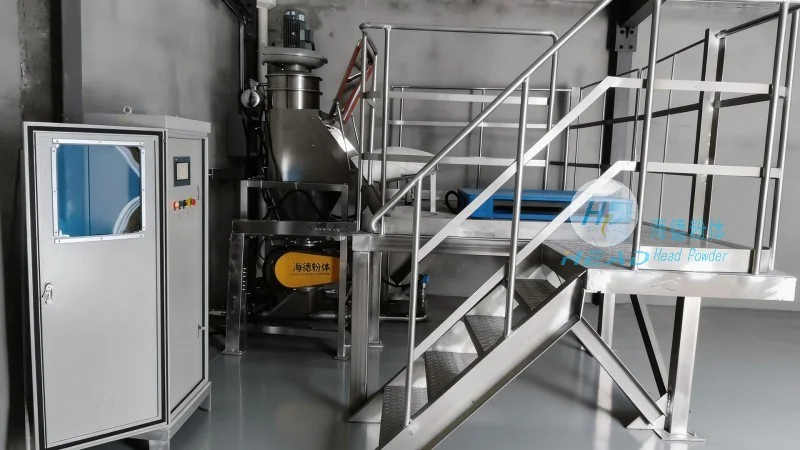
- Minimizing Dust Generation: Since LiFePO4 is a fine powder, dust control is a top priority. Design principles include using enclosed systems, proper sealing of equipment, and efficient dust collection to prevent inhalation hazards and maintain material purity.
- Optimizing Material Flow: Ensuring consistent and uniform material flow is critical for maintaining product quality and preventing equipment downtime. This involves proper sizing of conveying lines, appropriate feeding rates, and smooth transitions between storage and processing stages.
- Ensuring Material Integrity: LiFePO4 is sensitive to moisture and contamination. Design principles include using dry, inert environments, proper moisture control, and preventing cross-contamination with other materials. This helps maintain the chemical stability and performance of the final battery product.
- Adhering to Safety Standards: Battery manufacturing facilities must comply with strict safety regulations, especially regarding flammable materials and dust explosions. Design principles incorporate explosion-proof equipment, fire suppression systems, and emergency shutdown procedures to protect personnel and equipment.
- Modular and Scalable Design: Modern material handling systems are often designed to be modular, allowing for easy expansion or reconfiguration as production needs change. This flexibility helps manufacturers adapt to increasing demand or new product lines without major overhauls.
Role of Shandong HeadPowder Engineering Co., Ltd. in Phosphate Iron Lithium Material Handling
Shandong HeadPowder Engineering Co., Ltd., a leading provider of material handling solutions, specializes in designing and manufacturing systems tailored to the unique needs of the battery industry. With years of experience in handling fine powders, the company understands the critical importance of efficient and safe material handling for LiFePO4 production. HeadPowder's expertise includes:
- Customized System Design: The company works closely with clients to design material handling systems that meet specific production requirements, including capacity, material flow rates, and safety standards.
- Advanced Equipment Solutions: HeadPowder offers a range of advanced equipment, such as high-efficiency pneumatic conveyors, precision feeding systems, and dust collection solutions, all optimized for LiFePO4 handling.
- Comprehensive Service Support: From system installation and commissioning to ongoing maintenance and technical support, HeadPowder provides full lifecycle support to ensure optimal performance and longevity of material handling systems.
- Compliance with Industry Standards: The company ensures that all systems are designed and manufactured in accordance with international safety and quality standards, providing peace of mind to clients operating in regulated industries.
Conclusion
Phosphate iron lithium material handling is a complex but essential process in the production of lithium-ion batteries. The design principles and specialized equipment used in these systems play a vital role in ensuring efficient, safe, and high-quality material flow. Companies like Shandong HeadPowder Engineering Co., Ltd. play a crucial role in providing tailored solutions that meet the evolving needs of the battery industry, helping manufacturers optimize their operations and deliver reliable battery products.




