Desulfurization and dust removal processes in power plants and industrial facilities generate large volumes of ash and sludge that require efficient handling and disposal. The proper management of these byproducts is crucial for environmental compliance and operational efficiency. This article explores the concept of desulfurization and dust removal ash material handling, detailing the key design principles that ensure safe, reliable, and cost-effective transportation of these materials.
Understanding Desulfurization and Dust Removal Ash
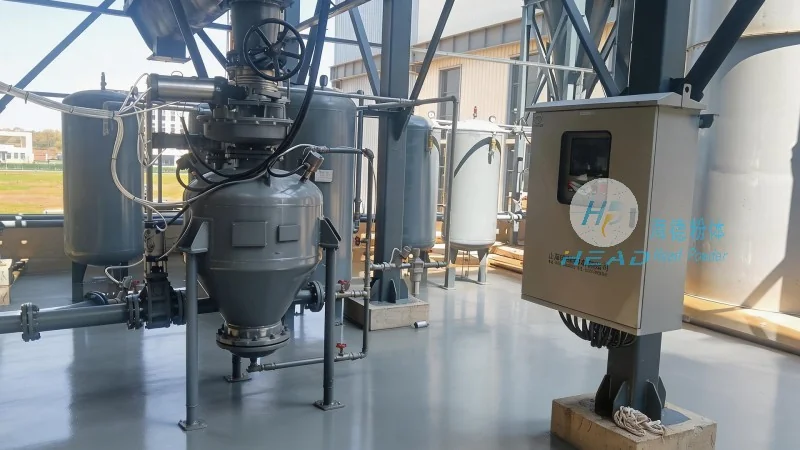
Desulfurization, commonly known as flue gas desulfurization (FGD), is a process used to remove sulfur dioxide (SO₂) from exhaust gases, typically in coal-fired power plants. This process often involves the use of limestone or other alkaline substances to neutralize acidic gases, resulting in the production of gypsum or other byproducts. Dust removal, or particulate control, further reduces airborne particles, producing additional ash and sludge. The combination of these processes generates a significant amount of solid waste that must be managed through specialized material handling systems.
The Importance of Material Handling in Ash Management
Effective material handling is essential for the safe and efficient management of desulfurization and dust removal ash. These materials are often abrasive, corrosive, and heavy, requiring equipment designed to withstand harsh conditions while minimizing operational risks. Proper handling systems help prevent environmental contamination, reduce labor costs, and ensure compliance with regulatory standards. For industrial facilities, the choice of material handling technology directly impacts overall plant performance and sustainability goals.
Key Design Principles for Ash Material Handling Systems
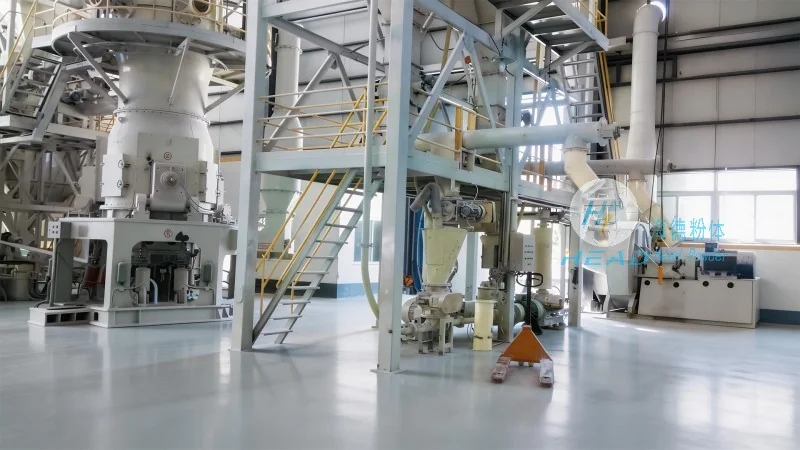
The design of desulfurization and dust removal ash material handling systems involves several critical principles to ensure optimal performance. First, the system must be tailored to the specific characteristics of the ash, including its moisture content, particle size, and chemical composition. This customization ensures that the equipment can handle the material without excessive wear or failure. Second, the system should prioritize safety, incorporating features such as enclosed conveyors, explosion-proof components, and emergency shutdown mechanisms to protect personnel and the environment.
Third, energy efficiency is a key consideration in modern ash handling systems. Advanced designs incorporate variable frequency drives (VFDs), energy recovery systems, and optimized conveyor layouts to reduce power consumption. This not only lowers operational costs but also aligns with the industry's push for sustainable practices. Fourth, reliability and maintenance are critical factors. Systems are designed with modular components that allow for easy replacement and minimal downtime, ensuring continuous operation even during maintenance periods.
Equipment Used in Ash Material Handling
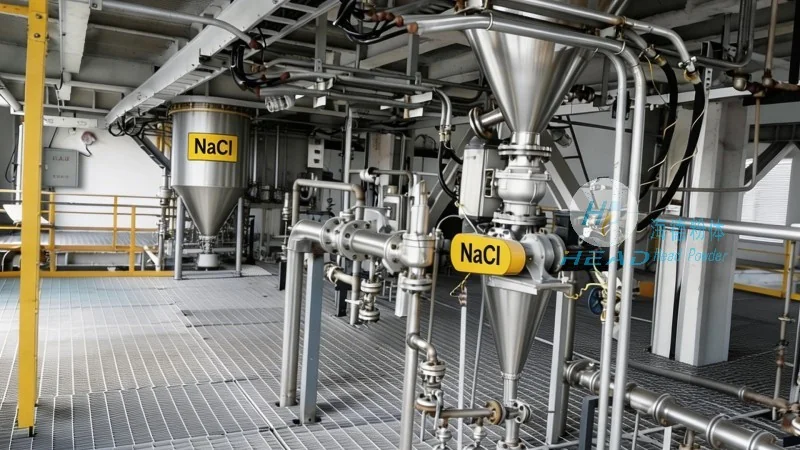
Several types of equipment are commonly used in desulfurization and dust removal ash material handling systems. Conveyors, such as belt conveyors and screw conveyors, are widely used for horizontal and vertical transport. Belt conveyors are ideal for transporting large volumes of ash over long distances, while screw conveyors are suitable for handling more viscous or abrasive materials. Pneumatic conveying systems, which use air to transport ash through pipes, are another option, particularly for applications requiring enclosed, dust-free transport.
Feeder and dosing equipment, such as rotary valves and screw feeders, are used to control the flow of ash from storage silos or hoppers to the conveyor system. These devices ensure consistent material feed and prevent blockages or overloading of the conveyor. Additionally, storage silos and hopper systems are designed to accommodate the volume of ash produced, with features like anti-bridging and anti-caking mechanisms to maintain material flow.
Case Study: A Typical Desulfurization Ash Handling System
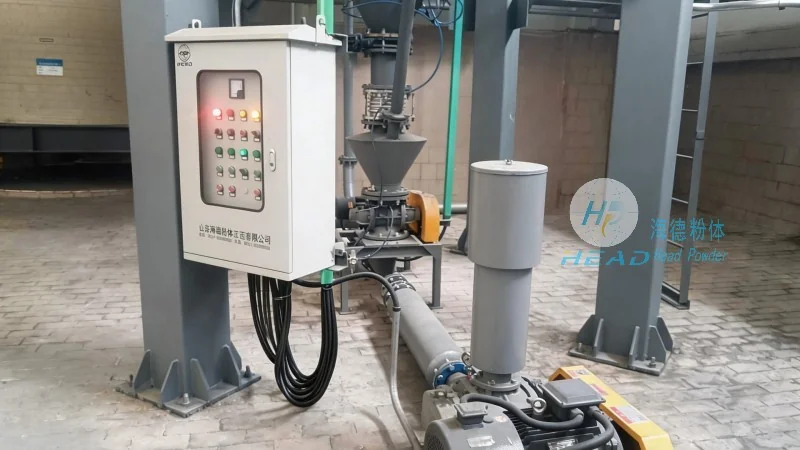
Consider a typical power plant with a 500 MW coal-fired unit. The plant's FGD system produces approximately 200 tons of gypsum per day, which must be transported to a storage or disposal site. The material handling system includes a belt conveyor that transports the ash from the FGD reactor to a storage silo, followed by a screw conveyor that feeds the ash into a truck loading system. The design incorporates VFDs to adjust conveyor speed based on ash flow, reducing energy consumption by up to 30% compared to traditional systems. The system also includes explosion-proof motors and enclosed conveyor sections to ensure safety, with regular maintenance schedules to minimize downtime.
Conclusion: Optimizing Ash Material Handling for Sustainability
Desulfurization and dust removal ash material handling is a critical component of modern industrial operations, balancing environmental responsibility with operational efficiency. By adhering to key design principles such as material customization, safety, energy efficiency, and reliability, facilities can effectively manage their ash byproducts while reducing costs and environmental impact. As technology advances, the industry continues to develop more sophisticated systems that enhance the sustainability and performance of ash handling processes. For facilities seeking to improve their ash management practices, partnering with experienced engineering companies like Shandong HeadPowder Engineering Co., Ltd. can provide tailored solutions that meet specific operational and regulatory requirements.




