

What is Phosphoric Hydrogen Calcium Material Pneumatic Conveying Equipment? And What Are Its Design
Phosphoric hydrogen calcium is a critical raw material in the fertilizer industry, widely utilized in the production of phosphate fertilizers. The efficient and safe transportation of this material from production sites to processing facilities or storage areas is essential for maintaining production efficiency and ensuring product quality. This is where specialized equipment, such as the phosphoric hydrogen calcium material pneumatic conveying system, comes into play. This article will explore what this equipment is and the fundamental design principles that govern its operation, all designed and manufactured by Shandong HeadPowder Engineering Co., Ltd.
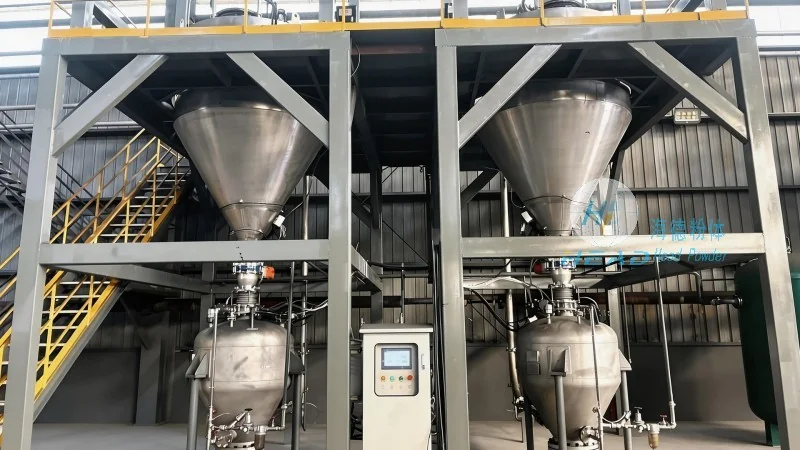
Understanding the Phosphoric Hydrogen Calcium Material Pneumatic Conveying Equipment
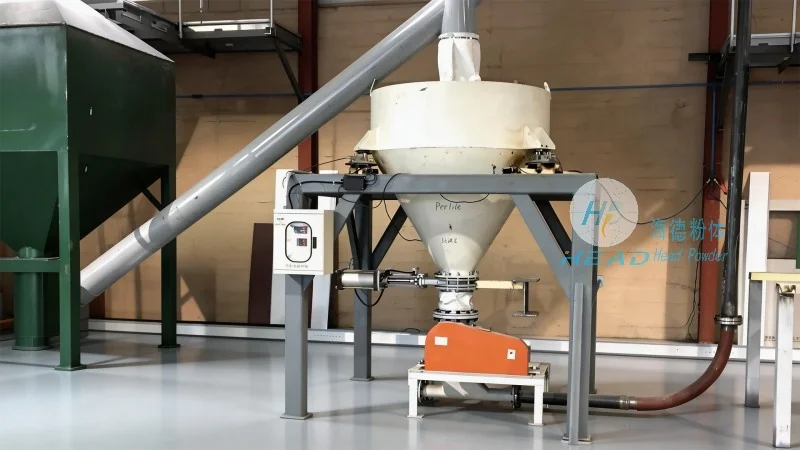
The phosphoric hydrogen calcium material pneumatic conveying equipment is a system engineered to transport granular or powdered phosphoric hydrogen calcium material through a pipeline using air or other gas as the conveying medium. Unlike traditional mechanical conveying methods like belt conveyors or screw conveyors, pneumatic conveying offers several advantages, including the ability to handle fine powders, minimize material degradation, and reduce contamination risks. The system typically consists of a hopper for material storage, a feeder to control the flow rate, a conveying line, and a receiver for the material at the destination. The entire setup is engineered to ensure reliable and continuous material transport, even for materials that are prone to clumping or dust generation.
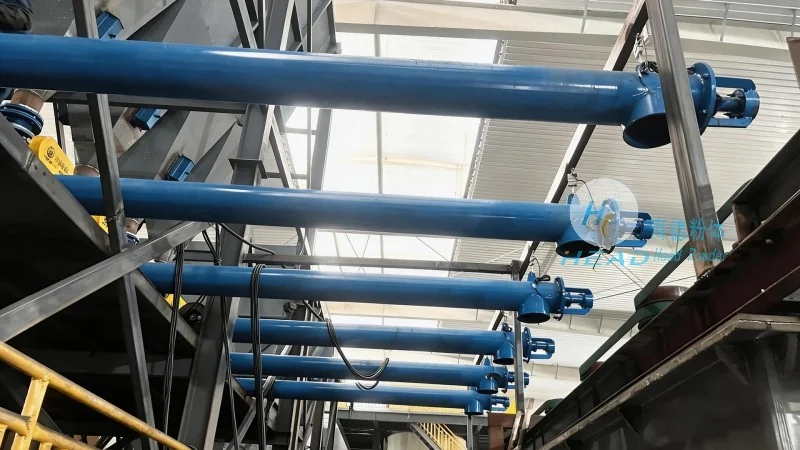
Key Components and Their Functions
At the core of the phosphoric hydrogen calcium material pneumatic conveying system are several key components, each playing a vital role in the overall operation. The material hopper serves as the storage vessel, holding the phosphoric hydrogen calcium material until it is needed for transport. The feeder, often a rotary valve or a star feeder, regulates the flow of material from the hopper into the conveying line, ensuring a consistent and controlled feed rate. The conveying line itself is a sealed pipeline that carries the material and the conveying gas. The gas is usually introduced at one end of the line, creating a pressure differential that propels the material through the pipeline. The receiver, located at the end of the conveying line, collects the material and may include a dust collection system to prevent air leakage and maintain a clean environment. Additionally, the system may include a filter or a cyclone separator to remove any fine particles from the conveying gas before it is released back into the environment.
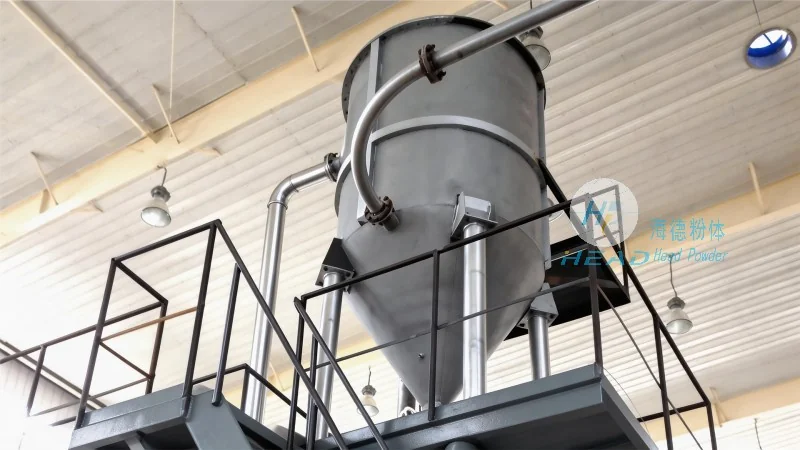
Design Principles for Efficient and Reliable Operation
The design of the phosphoric hydrogen calcium material pneumatic conveying equipment is guided by several critical principles to ensure optimal performance. First, the system must be designed to handle the specific physical properties of phosphoric hydrogen calcium, such as its particle size distribution, moisture content, and flowability. These properties affect how the material behaves in the conveying process and can impact the system's efficiency and reliability. Engineers must consider factors like the material's density, bulk density, and angle of repose to determine the appropriate conveying velocity and pressure. Second, the system must be constructed to withstand the corrosive nature of phosphoric hydrogen calcium, which can be acidic and cause wear on the equipment components. Materials like stainless steel or special coatings are often used for the hopper, feeder, and conveying line to prevent corrosion and extend the equipment's lifespan. Third, the design must prioritize safety and environmental compliance. The system includes features like explosion-proof motors and sealed components to prevent dust explosions and minimize air emissions. The dust collection system ensures that the conveying gas is filtered before release, complying with environmental regulations and maintaining a safe working environment.
Advantages of Using Pneumatic Conveying for Phosphoric Hydrogen Calcium
Compared to traditional mechanical conveying methods, the phosphoric hydrogen calcium material pneumatic conveying system offers several distinct advantages. One of the most significant benefits is the ability to handle fine powders without the risk of blockages or material degradation. The sealed pipeline prevents contamination from external sources and minimizes dust exposure for operators. Additionally, pneumatic conveying allows for flexible and compact system layouts, as the conveying line can be routed around obstacles or through multiple stages of processing without the need for complex mechanical connections. The system also provides better control over the material flow rate, which is crucial for maintaining consistent product quality and preventing overloading of downstream equipment. Furthermore, the use of pneumatic conveying reduces the need for manual handling, improving workplace safety and reducing labor costs.
Conclusion
The phosphoric hydrogen calcium material pneumatic conveying equipment is a sophisticated and essential system for the efficient and safe transportation of this critical fertilizer raw material. By understanding its components, design principles, and advantages, users can make informed decisions about implementing or maintaining such systems. The system's ability to handle fine powders, minimize contamination, and provide flexible layouts makes it a preferred choice in modern fertilizer production facilities. As the demand for phosphoric hydrogen calcium continues to grow, the importance of reliable and efficient conveying systems like this will only increase, ensuring that production processes remain smooth and product quality is maintained at the highest standards. Shandong HeadPowder Engineering Co., Ltd. specializes in designing and manufacturing such advanced pneumatic conveying solutions to meet the evolving needs of the fertilizer industry.