

Pneumatic Conveying Equipment for Magnesium Sulfate: Exploring Its Function and Design Principles
When it comes to handling bulk materials like magnesium sulfate, efficient and reliable material transport is crucial for industrial operations. This is where pneumatic conveying equipment plays a pivotal role, offering a solution that combines functionality with durability. In this article, we delve into the specifics of pneumatic conveying equipment designed for magnesium sulfate, exploring its core design principles and how it meets the demands of modern material handling.
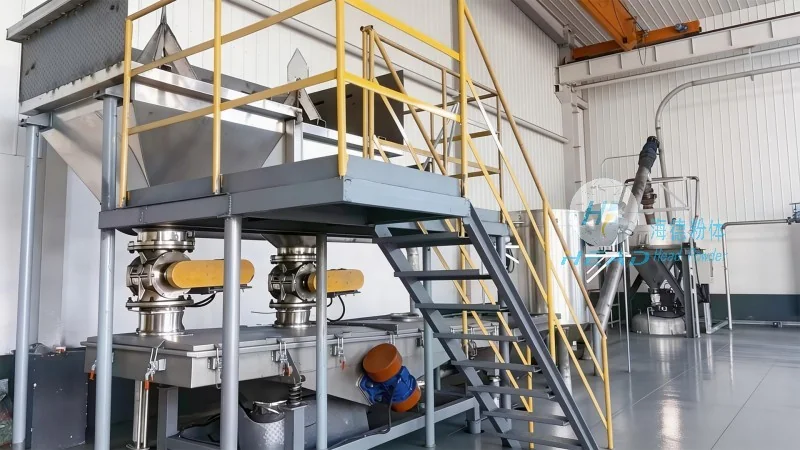
Understanding Pneumatic Conveying for Magnesium Sulfate
Pneumatic conveying systems are engineered to transport dry bulk materials through a pipeline using air or other gases as the conveying medium. For magnesium sulfate, which is often used in industries such as agriculture, pharmaceuticals, and chemical manufacturing, the choice of an appropriate conveying system is essential to maintain product quality and operational efficiency. The equipment from Shandong HeadPowder Engineering Co., Ltd. is specifically tailored to handle the unique properties of magnesium sulfate, ensuring that the material is transported without degradation or contamination.
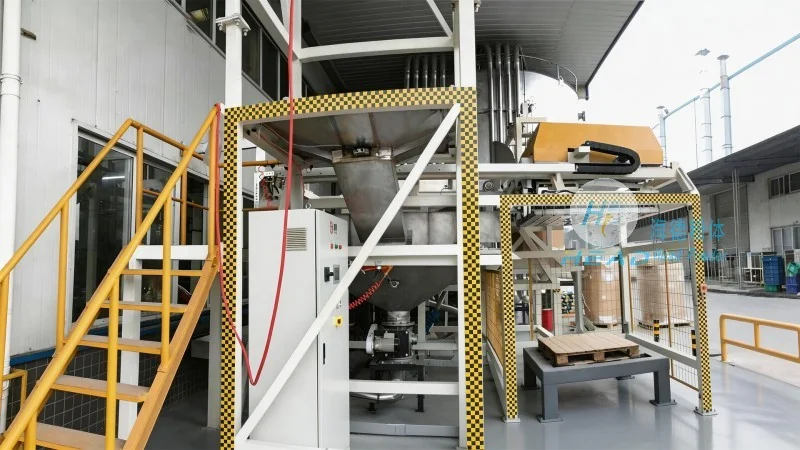
Key Design Principles of Magnesium Sulfate Pneumatic Conveying Equipment
The design of pneumatic conveying equipment for magnesium sulfate involves several critical principles that ensure optimal performance. First, the system must be capable of handling the material's flow characteristics, which can vary based on moisture content and particle size. The equipment from HeadPowder incorporates advanced air flow management and pressure control mechanisms to maintain consistent material movement through the pipeline. Second, the design emphasizes material separation and cleaning to prevent blockages and ensure smooth operation. This includes features like cyclone separators and filter systems that keep the conveying line clear and efficient. Third, the equipment is built with corrosion-resistant materials to withstand the chemical properties of magnesium sulfate, ensuring longevity and minimal maintenance. The engineering team at Shandong HeadPowder Engineering Co., Ltd. has carefully considered these factors to create a robust and reliable system that meets the stringent requirements of industrial applications.
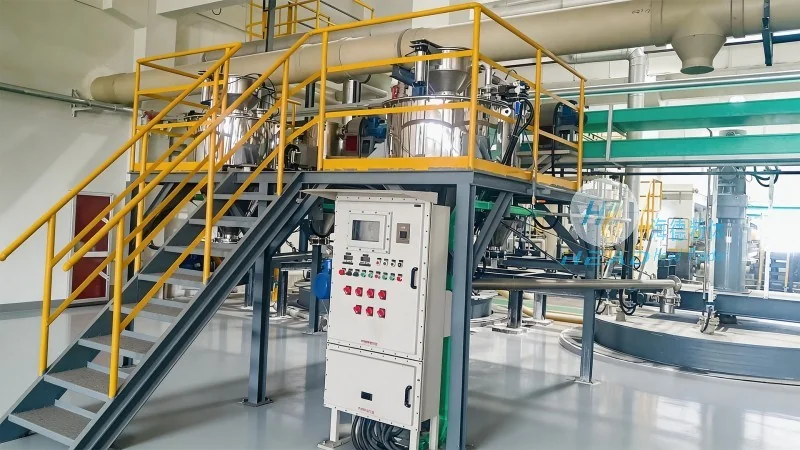
Components and Operational Mechanisms
The pneumatic conveying equipment for magnesium sulfate typically consists of several key components that work in tandem to achieve efficient material transport. The system includes a hopper or feeder to store and feed the material, a blower or compressor to generate the necessary air pressure, a pipeline network to transport the material, and a receiver or discharge unit to collect the material at the destination. The operation begins when the material is fed into the hopper, where it is mixed with the air stream. The air, under pressure, carries the material particles through the pipeline, depositing them at the receiver. The design of the hopper and feeder is crucial to prevent material bridging or agglomeration, which can disrupt the flow. The blower's capacity and pressure are carefully calibrated to match the material's specific gravity and flow rate, ensuring that the conveying process is energy-efficient and effective. The pipeline network is designed with smooth, corrosion-resistant surfaces to minimize friction and maintain consistent air velocity, which is vital for preventing material settling or blockages.
Advantages of Using Pneumatic Conveying for Magnesium Sulfate
Implementing pneumatic conveying equipment for magnesium sulfate offers several advantages over traditional methods such as belt conveyors or bucket elevators. One of the primary benefits is the ability to transport materials in a closed system, which helps maintain product purity and prevents dust emissions. This is particularly important for magnesium sulfate, which is often used in applications where contamination or moisture exposure could affect its quality. The closed system also enhances safety by reducing the risk of dust explosions or inhalation hazards. Another advantage is the flexibility of the system, which allows for easy integration with existing industrial processes and can be adapted to different production scales. The equipment from Shandong HeadPowder Engineering Co., Ltd. is designed to be scalable, enabling it to handle small batches or large-scale production without compromising performance. Additionally, the system offers cost savings through reduced labor and maintenance, as the automated operation minimizes the need for manual handling and frequent equipment adjustments.
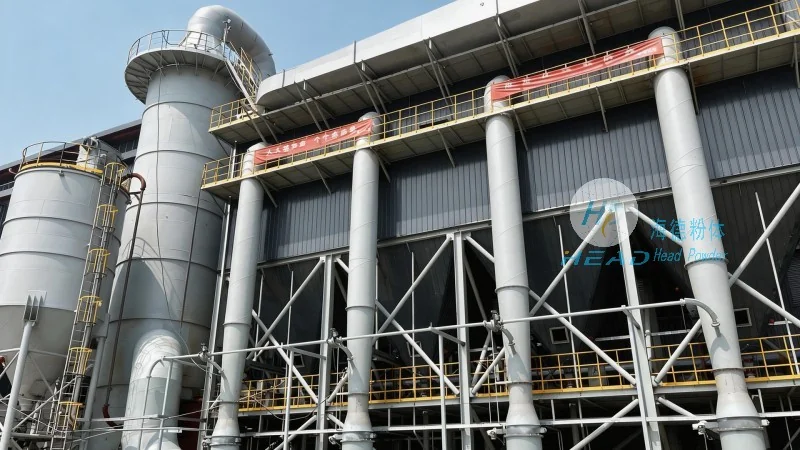
Customization and Application Considerations
Shandong HeadPowder Engineering Co., Ltd. understands that each industrial application has unique requirements, and therefore, offers customized pneumatic conveying solutions for magnesium sulfate. The company's engineers work closely with clients to assess their specific needs, including material characteristics, production volume, and operational constraints. This collaborative approach ensures that the final equipment design is optimized for the client's environment. For example, in agricultural applications where magnesium sulfate is used as a fertilizer, the conveying system may need to handle larger particle sizes and higher moisture content. The equipment is then tailored with larger hoppers and more robust air flow controls to accommodate these conditions. Similarly, in pharmaceutical applications where product purity is paramount, the system includes additional filtration and cleaning stages to meet stringent quality standards. The customization process also considers the client's location, as the equipment is designed to comply with local regulations and environmental standards. The company's commitment to tailored solutions ensures that clients receive equipment that is not only efficient but also compliant and sustainable.